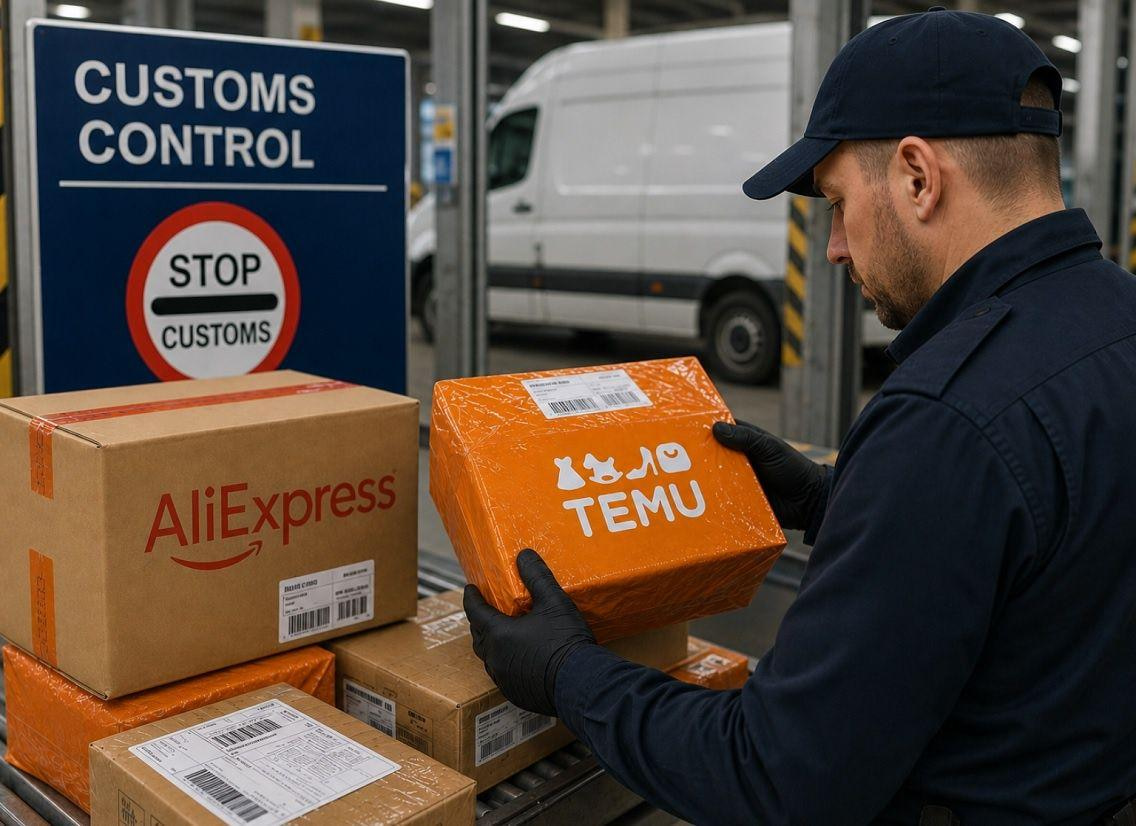
Brussels: Hungarian inspectors examined 300 parcels from Temu, Shein, AliExpress and Amazon, and the results gave lawmakers a fresh argument for the European Product Act. All 20 suspect products they went on to test were non-compliant, and some posed choking or electric shock hazards.
Fanni Oroszi, deputy state secretary at Hungary’s Ministry for Economy and Energy, described the exercise to the European Parliament’s Internal Market and Consumer Protection Committee at a public hearing in mid-October. The 20 products were suspect items, not a random sample, so the result does not describe the whole parcel stream. It still shows how hard enforcement becomes when millions of small packages cross the border each day.
The scale explains the pressure. The European Consumer Organisation, BEUC, estimates that about 6 billion low-value parcels entered the EU in 2025. In only 22 per cent of recent safety checks did a designated EU representative confirm responsibility and meet obligations. Those gaps are what the European Product Act is meant to close, by replacing product rules dating back to 2008 and by changing how repaired and refurbished goods are treated.
Barbara Bonvissuto, a director in the Commission’s internal market department, told the hearing that the Commission is considering a rule that every imported product must have a responsible operator inside the EU. Under the European Product Act design now under discussion, online marketplaces could also have to check for a valid digital product passport and an authorised representative before they list an item. The Commission could investigate on its own when national authorities fail to act, the problem reaches EU scale and the risk is high.
Patrycja Gautier, head of consumer rights at BEUC, welcomed the direction but warned about penalties. She wants fines linked to a percentage of company turnover. “For large companies, low fines risk becoming merely a cost of doing business,” she said. Consumer groups argue that without a credible financial threat, the largest platforms will treat compliance as optional.
The timetable is the open question. The Commission had planned to present the European Product Act in the third quarter of 2026, but the proposal has slipped. Retailers, platforms and national market surveillance authorities are waiting for the text to see where the line falls between marketplace duties and importer duties. Until the Commission publishes it, the Hungarian test results will keep serving as evidence for those who want the European Product Act to arrive sooner and to carry sharper teeth.