August 10, 2026
LATEST
Europe’s Air Quality Improves but WHO Limits LoomTwelve New EU Medicines Win a Green Light from EMAFIFA Agent Rules Must Answer to Europe’s CourtsTachograph Rules Now Reach Vans Crossing Europe’s BordersNature Restoration Plans Come Due as a Hard Deadline NearsBrussels Opens a State Aid Probe Into Spain’s Renewables PayoutBrussels Extends Its Tariff Suspension on US Goods IndefinitelyFarmers Win Stronger Contract Rights Across the EU Supply ChainEurope Finally Locks In Its 348-Satellite Answer to StarlinkPlatform Work Rules Face a National Scramble Before DecemberDuty-Free Parcels Reach the End of the Line for EU ShoppersAfter Nine Years, Europe and Australia Seal a Trade PactBeijing Answers Europe’s Russia Sanctions in KindOne Year On, the EU-Japan Alliance Faces Its First TestEurope’s Chip Ambitions Still Run Through Taiwan’s FabsWhy South Korea Bet Its Research Future on Europe’s ProgrammeEurope and Japan Deepen Their Economic Alliance as Rivals CircleFive Joint Defence Projects Launch Europe’s Military ShieldElectrification Plan Aims to Make Europe First Electro ContinentHorizon Europe Budget Fight Heats Up as Ministers Push BackEurope’s Air Quality Improves but WHO Limits LoomTwelve New EU Medicines Win a Green Light from EMAFIFA Agent Rules Must Answer to Europe’s CourtsTachograph Rules Now Reach Vans Crossing Europe’s BordersNature Restoration Plans Come Due as a Hard Deadline NearsBrussels Opens a State Aid Probe Into Spain’s Renewables PayoutBrussels Extends Its Tariff Suspension on US Goods IndefinitelyFarmers Win Stronger Contract Rights Across the EU Supply ChainEurope Finally Locks In Its 348-Satellite Answer to StarlinkPlatform Work Rules Face a National Scramble Before DecemberDuty-Free Parcels Reach the End of the Line for EU ShoppersAfter Nine Years, Europe and Australia Seal a Trade PactBeijing Answers Europe’s Russia Sanctions in KindOne Year On, the EU-Japan Alliance Faces Its First TestEurope’s Chip Ambitions Still Run Through Taiwan’s FabsWhy South Korea Bet Its Research Future on Europe’s ProgrammeEurope and Japan Deepen Their Economic Alliance as Rivals CircleFive Joint Defence Projects Launch Europe’s Military ShieldElectrification Plan Aims to Make Europe First Electro ContinentHorizon Europe Budget Fight Heats Up as Ministers Push Back
August 10, 2026
LATEST
Europe’s Air Quality Improves but WHO Limits LoomTwelve New EU Medicines Win a Green Light from EMAFIFA Agent Rules Must Answer to Europe’s CourtsTachograph Rules Now Reach Vans Crossing Europe’s BordersNature Restoration Plans Come Due as a Hard Deadline NearsBrussels Opens a State Aid Probe Into Spain’s Renewables PayoutBrussels Extends Its Tariff Suspension on US Goods IndefinitelyFarmers Win Stronger Contract Rights Across the EU Supply ChainEurope Finally Locks In Its 348-Satellite Answer to StarlinkPlatform Work Rules Face a National Scramble Before DecemberDuty-Free Parcels Reach the End of the Line for EU ShoppersAfter Nine Years, Europe and Australia Seal a Trade PactBeijing Answers Europe’s Russia Sanctions in KindOne Year On, the EU-Japan Alliance Faces Its First TestEurope’s Chip Ambitions Still Run Through Taiwan’s FabsWhy South Korea Bet Its Research Future on Europe’s ProgrammeEurope and Japan Deepen Their Economic Alliance as Rivals CircleFive Joint Defence Projects Launch Europe’s Military ShieldElectrification Plan Aims to Make Europe First Electro ContinentHorizon Europe Budget Fight Heats Up as Ministers Push BackEurope’s Air Quality Improves but WHO Limits LoomTwelve New EU Medicines Win a Green Light from EMAFIFA Agent Rules Must Answer to Europe’s CourtsTachograph Rules Now Reach Vans Crossing Europe’s BordersNature Restoration Plans Come Due as a Hard Deadline NearsBrussels Opens a State Aid Probe Into Spain’s Renewables PayoutBrussels Extends Its Tariff Suspension on US Goods IndefinitelyFarmers Win Stronger Contract Rights Across the EU Supply ChainEurope Finally Locks In Its 348-Satellite Answer to StarlinkPlatform Work Rules Face a National Scramble Before DecemberDuty-Free Parcels Reach the End of the Line for EU ShoppersAfter Nine Years, Europe and Australia Seal a Trade PactBeijing Answers Europe’s Russia Sanctions in KindOne Year On, the EU-Japan Alliance Faces Its First TestEurope’s Chip Ambitions Still Run Through Taiwan’s FabsWhy South Korea Bet Its Research Future on Europe’s ProgrammeEurope and Japan Deepen Their Economic Alliance as Rivals CircleFive Joint Defence Projects Launch Europe’s Military ShieldElectrification Plan Aims to Make Europe First Electro ContinentHorizon Europe Budget Fight Heats Up as Ministers Push Back

Pay Secrecy Ends As Europe Transparency Rulebook Takes Effect

Madrid: The unspoken rule of working life across much of Europe, that what colleagues earn is nobody’s business, is being dismantled by law. The European Union’s Pay Transparency Directive reached its transposition deadline on 7 June, the point by which member states were meant to have written its provisions into national law. Where they have done so, workers gain rights that quietly upend the bargaining dynamics of the modern office, and employers face penalties of up to four percent of group annual turnover for falling short.

The directive’s logic is that secrecy sustains inequality. When pay is hidden, gaps between men and women, or between favoured employees and overlooked ones, persist because no one can prove they exist. The new rules attack that opacity from several directions. Job advertisements must disclose pay or a pay range, ending the ritual in which candidates negotiate blind. Employers may no longer ask applicants about salary history, a practice that locks in past disadvantage. And workers gain the right to request information on average pay levels for their role, broken down by sex.

For companies the implications run deeper than printing numbers in a vacancy notice. Once pay ranges are public and gender breakdowns available on request, unexplained disparities become legally hazardous. Firms above certain size thresholds must report gender pay gaps, and where a gap exceeds a set level without objective justification, they may be required to conduct a joint pay assessment with worker representatives. The burden of explaining differences shifts onto the employer.

Implementation has been uneven, as it usually is with directives demanding substantial administrative change. Some governments moved early; others approached the deadline with draft legislation still working through their parliaments. The variation creates a patchwork in which a worker’s concrete rights depend on which country issued their contract, at least until the laggards catch up.

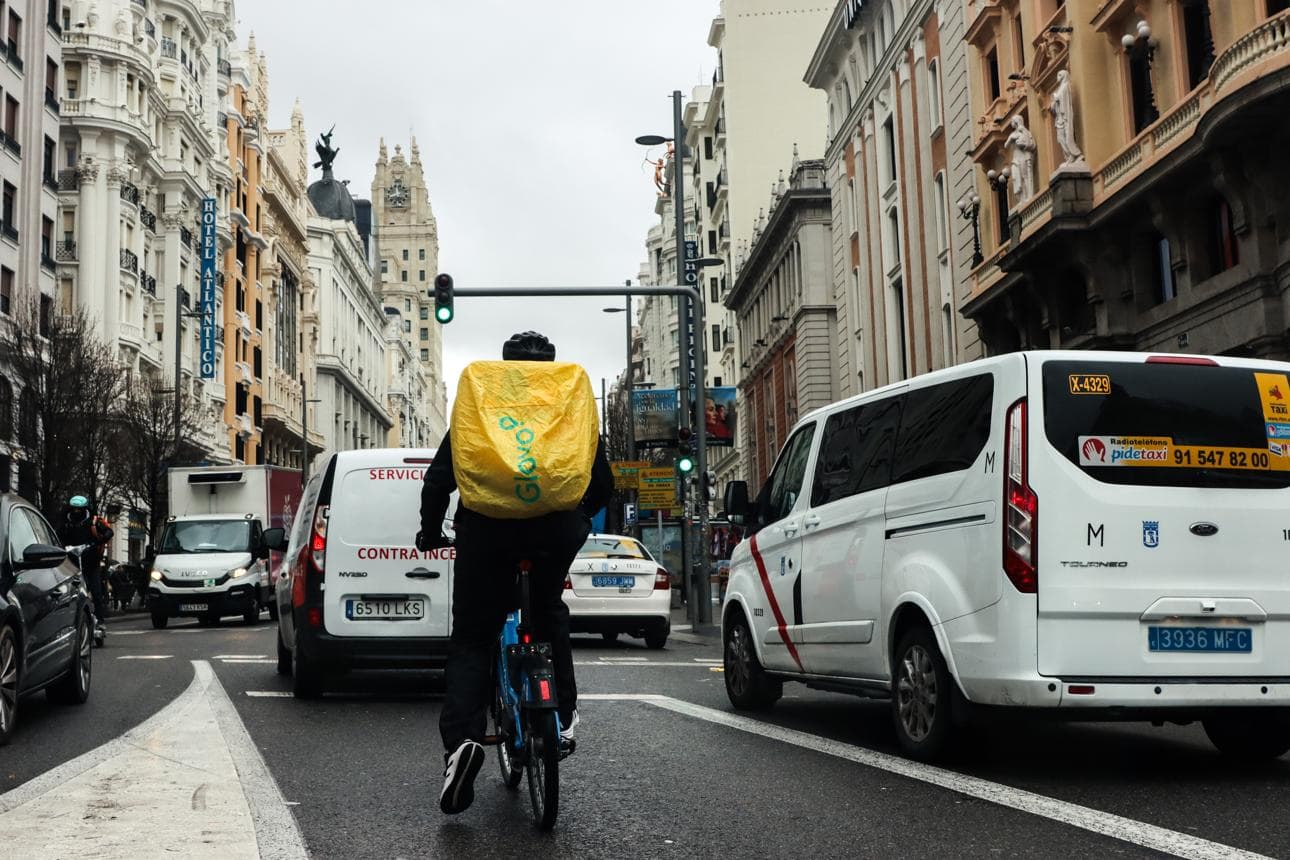
The transparency rules do not arrive in isolation. On 2 December the Platform Work Directive reaches its own transposition deadline, introducing a presumption of employment status that shifts the risk of misclassification onto companies relying on app-based labour. Together the two measures signal a broader European turn toward strengthening the hand of workers after years in which the gig economy and opaque pay structures tilted the balance the other way.

Minimum wages have moved the same direction. At the start of the year statutory floors ranged from around 620 euros a month in Bulgaria to more than 2,700 in Luxembourg, with rising floors expected to lift the purchasing power of the lowest earners this year. Twenty-two of the bloc’s twenty-seven members set a national minimum, while the rest leave pay to bargaining between unions and employers.

The cultural shift may prove harder than the legal one. Norms around discussing pay are deeply ingrained, and a directive cannot by itself make a manager comfortable explaining why two people doing similar work earn different sums. But by giving workers the right to ask and obliging employers to answer, the law removes the excuse of ignorance.