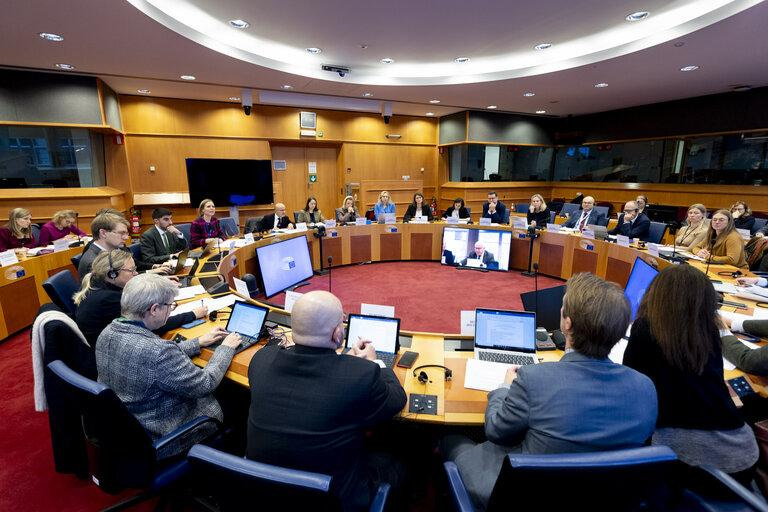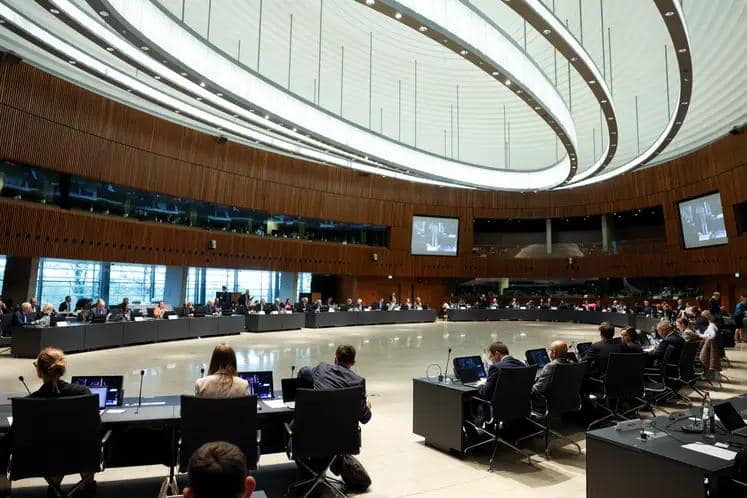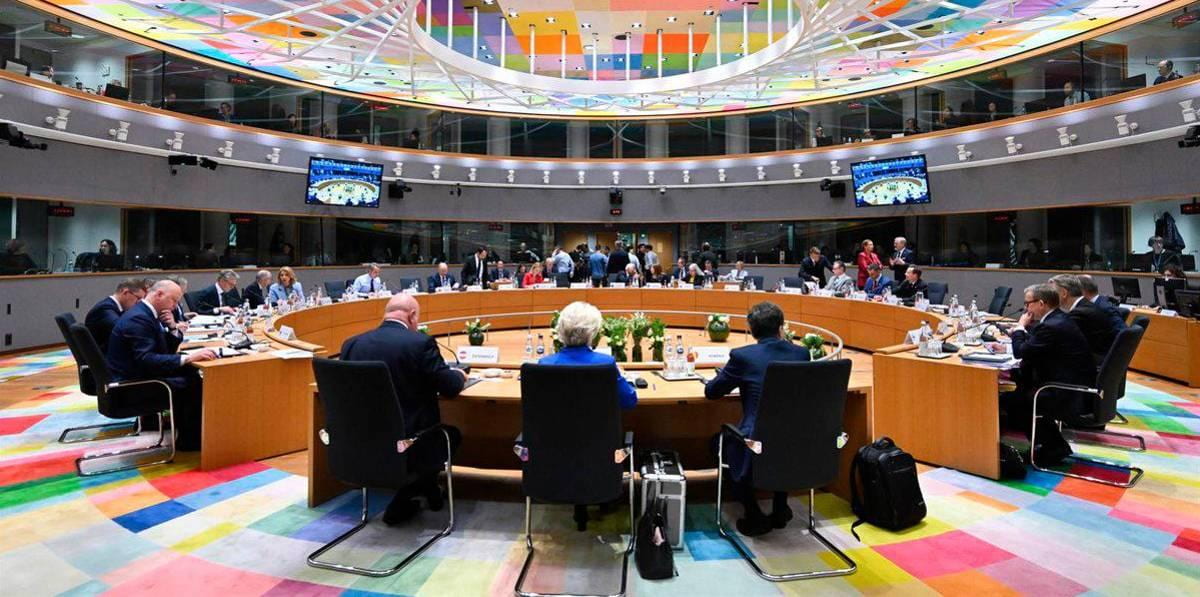
Rome: European leaders ordered a new ETS2 impact assessment on 16 October 2026, and in doing so they avoided a fresh delay to the Union’s second carbon market. The compromise came during the night between Thursday and Friday at a European Council meeting in Brussels, after a first day of deadlock, and it asks the Commission to update its review of the system’s structure and safeguard measures.
ETS2 covers fuels for transport and buildings, including petrol, diesel and heating gas, and it is due to take effect in 2028. Its costs are expected to fall directly on households and motorists, which explains why the argument over the ETS2 impact assessment grew so heated when energy prices climbed in recent weeks.
Italy and the Visegrád countries of Hungary, Poland, Czechia and Slovakia pressed for changes, and Greece and Cyprus also called for them. One account says the Italian group wanted to move the start from 2028 to 2030. Other accounts say Rome sought a temporary national exemption, modelled on the one that Spain and Portugal received in 2023. The reporting does not settle which version is correct.
Finland, Denmark and Sweden took the opposite side. Their prime ministers, Petteri Orpo, Mette Frederiksen and Ulf Kristersson, wrote to European Council President António Costa and argued that weakening the carbon market would undermine investment predictability and slow industrial decarbonisation. That letter shows how sharply the Nordic governments defend the emissions trading system, and the ETS2 impact assessment will have to weigh their objection.
The conclusions landed between the two camps. Point 11 repeats the need for a well-functioning, transparent and predictable carbon market, protection from carbon leakage, less price volatility and a lower impact on electricity prices. The ETS2 reference was added at the request of Italy and the Visegrád group, but it postpones nothing, so the timetable remains as planned for 2028.
The Commission must now present the ETS2 impact assessment, and no date has been given. Any change to the design would have to pass through the normal legislative process, which means Parliament and the Council would need to agree. The budget for 2028 to 2034 also stays unresolved, and those talks were postponed until November, so the carbon market dispute will sit beside a larger fight over money.
Businesses and households should read the signal carefully. A review is not a reprieve, yet it keeps the door open for safeguards that could soften the price shock for drivers and tenants. Investors in building renovation and heat pumps need early clarity, and a vague review leaves them guessing. The coming ETS2 impact assessment will show whether Brussels answers with firm protections or with delay by another name.