Hamburg: The days of the tax-free bargain parcel are ending, and a new parcel duty is the reason. From 1 July 2026 the European Union scrapped the exemption that let goods worth under 150 euros enter without customs duty and began charging a flat three-euro fee on each low-value package shipped from outside the bloc.
The scale of the trade explains the urgency. The European Commission estimates that roughly 4.6 billion parcels valued under 150 euros crossed into the Union in 2024, and more than nine in ten came from China. Retailers such as Shein, Temu and AliExpress built vast businesses on that threshold, sending single items straight to shoppers’ doors while larger sellers paid duties on bulk imports.
Brussels casts the change as a matter of fairness rather than protectionism. European shops long complained that they collected VAT and cleared customs while overseas rivals shipped identical goods duty-free. The flat fee narrows that gap and, officials hope, forces the true cost of ultra-cheap imports back into the price shoppers see at checkout.
The three-euro charge is explicitly a stopgap. Lawmakers set it to run from July 2026 to July 2028 while they negotiate a permanent replacement for the abolished exemption. A separate handling fee on low-value parcels is due to arrive in November, though member states are still hammering out how it will work.
Whether the fee changes shopping habits is another question. Analysts note that three euros barely dents the appeal of a garment that costs a few euros, so the platforms may simply pass the charge on or absorb it. The bigger effect may fall on customs systems, which must now process billions of individual declarations rather than wave them through. Some sellers may also restructure their supply chains, routing goods through European warehouses to spread the cost across many orders.
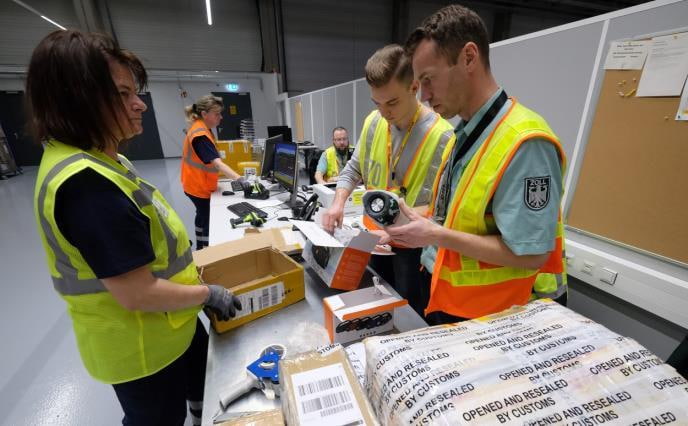
That administrative load worries logistics operators. Postal services and couriers have to collect the duty, code each shipment correctly and report it, all at a pace that leaves little margin for error. Industry groups warn that without smoother digital clearance, the reform risks clogging warehouses and delaying deliveries.
The move also dovetails with a wider Customs Union overhaul that would centralise oversight and build a shared data hub for imports. Seen together, the parcel duty and the broader reform mark a bet that Europe can police a flood of small shipments without smothering the online market that shoppers now take for granted.