August 10, 2026
LATEST
Mercosur Deal Takes Effect in Limbo as Judges Weigh Its FateEurope’s Air Quality Improves but WHO Limits LoomTwelve New EU Medicines Win a Green Light from EMAFIFA Agent Rules Must Answer to Europe’s CourtsTachograph Rules Now Reach Vans Crossing Europe’s BordersNature Restoration Plans Come Due as a Hard Deadline NearsBrussels Opens a State Aid Probe Into Spain’s Renewables PayoutBrussels Extends Its Tariff Suspension on US Goods IndefinitelyFarmers Win Stronger Contract Rights Across the EU Supply ChainEurope Finally Locks In Its 348-Satellite Answer to StarlinkPlatform Work Rules Face a National Scramble Before DecemberDuty-Free Parcels Reach the End of the Line for EU ShoppersAfter Nine Years, Europe and Australia Seal a Trade PactBeijing Answers Europe’s Russia Sanctions in KindOne Year On, the EU-Japan Alliance Faces Its First TestEurope’s Chip Ambitions Still Run Through Taiwan’s FabsWhy South Korea Bet Its Research Future on Europe’s ProgrammeEurope and Japan Deepen Their Economic Alliance as Rivals CircleFive Joint Defence Projects Launch Europe’s Military ShieldElectrification Plan Aims to Make Europe First Electro ContinentMercosur Deal Takes Effect in Limbo as Judges Weigh Its FateEurope’s Air Quality Improves but WHO Limits LoomTwelve New EU Medicines Win a Green Light from EMAFIFA Agent Rules Must Answer to Europe’s CourtsTachograph Rules Now Reach Vans Crossing Europe’s BordersNature Restoration Plans Come Due as a Hard Deadline NearsBrussels Opens a State Aid Probe Into Spain’s Renewables PayoutBrussels Extends Its Tariff Suspension on US Goods IndefinitelyFarmers Win Stronger Contract Rights Across the EU Supply ChainEurope Finally Locks In Its 348-Satellite Answer to StarlinkPlatform Work Rules Face a National Scramble Before DecemberDuty-Free Parcels Reach the End of the Line for EU ShoppersAfter Nine Years, Europe and Australia Seal a Trade PactBeijing Answers Europe’s Russia Sanctions in KindOne Year On, the EU-Japan Alliance Faces Its First TestEurope’s Chip Ambitions Still Run Through Taiwan’s FabsWhy South Korea Bet Its Research Future on Europe’s ProgrammeEurope and Japan Deepen Their Economic Alliance as Rivals CircleFive Joint Defence Projects Launch Europe’s Military ShieldElectrification Plan Aims to Make Europe First Electro Continent
August 10, 2026
LATEST
Mercosur Deal Takes Effect in Limbo as Judges Weigh Its FateEurope’s Air Quality Improves but WHO Limits LoomTwelve New EU Medicines Win a Green Light from EMAFIFA Agent Rules Must Answer to Europe’s CourtsTachograph Rules Now Reach Vans Crossing Europe’s BordersNature Restoration Plans Come Due as a Hard Deadline NearsBrussels Opens a State Aid Probe Into Spain’s Renewables PayoutBrussels Extends Its Tariff Suspension on US Goods IndefinitelyFarmers Win Stronger Contract Rights Across the EU Supply ChainEurope Finally Locks In Its 348-Satellite Answer to StarlinkPlatform Work Rules Face a National Scramble Before DecemberDuty-Free Parcels Reach the End of the Line for EU ShoppersAfter Nine Years, Europe and Australia Seal a Trade PactBeijing Answers Europe’s Russia Sanctions in KindOne Year On, the EU-Japan Alliance Faces Its First TestEurope’s Chip Ambitions Still Run Through Taiwan’s FabsWhy South Korea Bet Its Research Future on Europe’s ProgrammeEurope and Japan Deepen Their Economic Alliance as Rivals CircleFive Joint Defence Projects Launch Europe’s Military ShieldElectrification Plan Aims to Make Europe First Electro ContinentMercosur Deal Takes Effect in Limbo as Judges Weigh Its FateEurope’s Air Quality Improves but WHO Limits LoomTwelve New EU Medicines Win a Green Light from EMAFIFA Agent Rules Must Answer to Europe’s CourtsTachograph Rules Now Reach Vans Crossing Europe’s BordersNature Restoration Plans Come Due as a Hard Deadline NearsBrussels Opens a State Aid Probe Into Spain’s Renewables PayoutBrussels Extends Its Tariff Suspension on US Goods IndefinitelyFarmers Win Stronger Contract Rights Across the EU Supply ChainEurope Finally Locks In Its 348-Satellite Answer to StarlinkPlatform Work Rules Face a National Scramble Before DecemberDuty-Free Parcels Reach the End of the Line for EU ShoppersAfter Nine Years, Europe and Australia Seal a Trade PactBeijing Answers Europe’s Russia Sanctions in KindOne Year On, the EU-Japan Alliance Faces Its First TestEurope’s Chip Ambitions Still Run Through Taiwan’s FabsWhy South Korea Bet Its Research Future on Europe’s ProgrammeEurope and Japan Deepen Their Economic Alliance as Rivals CircleFive Joint Defence Projects Launch Europe’s Military ShieldElectrification Plan Aims to Make Europe First Electro Continent

Thirty-Five Billion In Regional Funds Pivot To Grids And Homes

Katowice: The quiet machinery of Europe’s regional policy has just executed one of the largest mid-course corrections in its history. Results of the cohesion policy mid-term review, confirmed by the Commission in March, show that member states have reprogrammed roughly 34.6 billion euros of their 2021 to 2027 envelopes, with amendments approved to 186 national and regional programmes across 25 countries. Money first earmarked for slow-moving infrastructure or technical assistance is being steered toward priorities that did not dominate the agenda when these budgets were drawn up.

Two destinations stand out in the headline figures, competitiveness and defence, which between them absorbed more than 27 billion euros. Yet the more revealing shift sits in the categories that rarely make front pages. Energy connectivity, affordable and sustainable housing, and water resilience have each won fresh allocations, reflecting a recognition that the pressures squeezing Europe’s regions are no longer only about closing income gaps. Speaking late in May, the Commissioner responsible for cohesion argued plainly that regional funds can and should be mobilised to soften the energy crisis, a statement that would have sounded unorthodox only a few years ago.

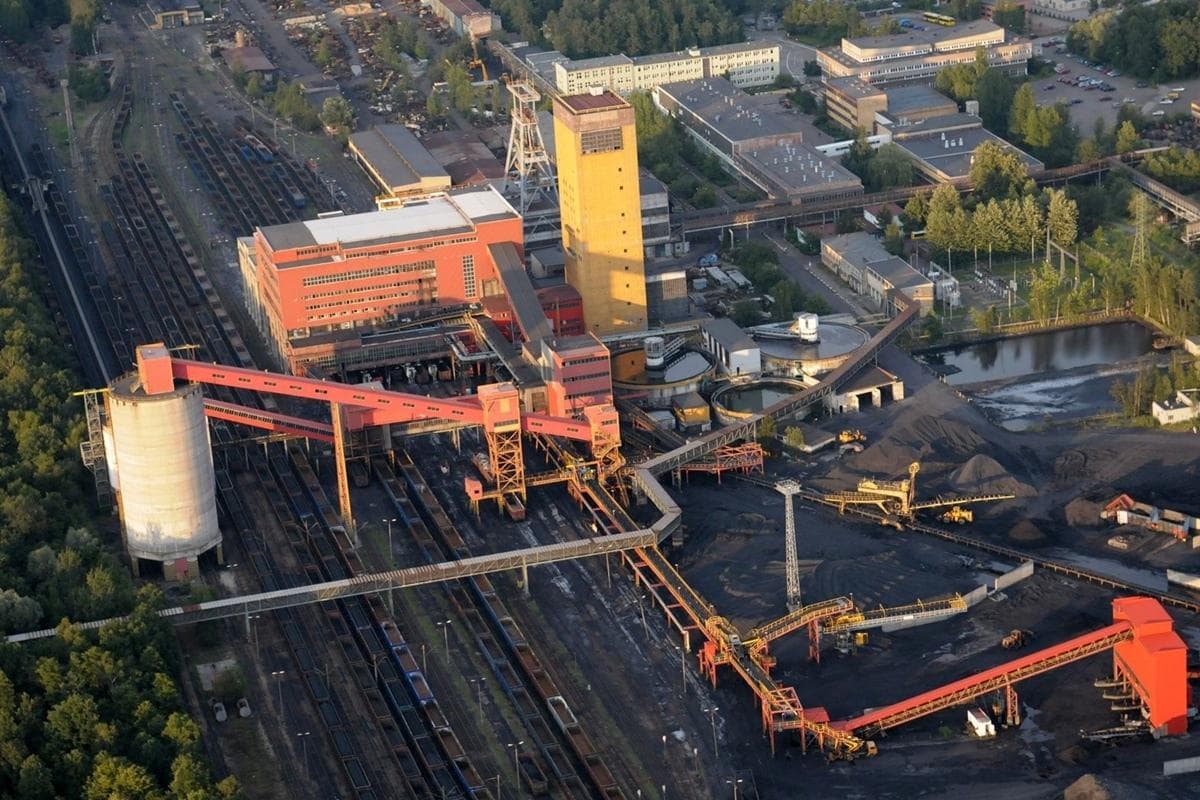
The incentives attached to the exercise explain why capitals moved so quickly. Resources reprogrammed toward the designated strategic objectives qualify for an additional one-off pre-financing of 30 percent in 2026, and in some cases for European co-financing of up to 100 percent. For finance ministries still nursing stretched national budgets, the offer to have Brussels carry the full cost of a qualifying project, while front-loading the cash, proved difficult to refuse. Regions built around ageing industry, like the coalfields of southern Poland, see in the package a chance to wire in new grid links and retrofit housing stock without waiting for the next seven-year cycle.

Not everyone is reassured. Cohesion policy was conceived as an instrument of convergence, a way for poorer territories to catch up with wealthier ones, and critics inside the Parliament and among regional associations worry that bending it toward competitiveness and security risks hollowing out that founding purpose. When funds can be redirected to whatever the political emergency of the moment demands, the argument runs, the places with the weakest administrative capacity may struggle to compete for attention against richer regions with polished project pipelines.

The Commission counters that flexibility is precisely what kept the policy relevant. A rigid programme designed in 2020 could not have anticipated an energy shock, a housing affordability crisis, and a rearmament drive arriving in quick succession. By allowing managing authorities to move money where it is now needed, officials say, the review protects the credibility of the funds rather than diluting them.

What happens next will be measured less in press releases than in disbursement rates. Enhanced pre-financing only helps if projects reach the ground before the programming period closes, and the administrative clock is unforgiving. Regions that reprogrammed late will be racing to contract works, hire staff, and clear procurement before the window shuts. For now, the mid-term review has shown that Europe’s largest investment tool can turn, and turn fast. Whether it turns toward the regions that need it most, or simply toward the priorities that shout loudest, is the question that will define the rest of the cycle.