Gdańsk: Containers arrive at the Baltic terminal in volumes that no inspectorate can open, and behind them come the parcels, millions of them, addressed to individual buyers who ordered from a screen. Market surveillance officers have spent three years arguing that European product safety enforcement was built for a world of importers and now faces a world of shipments.
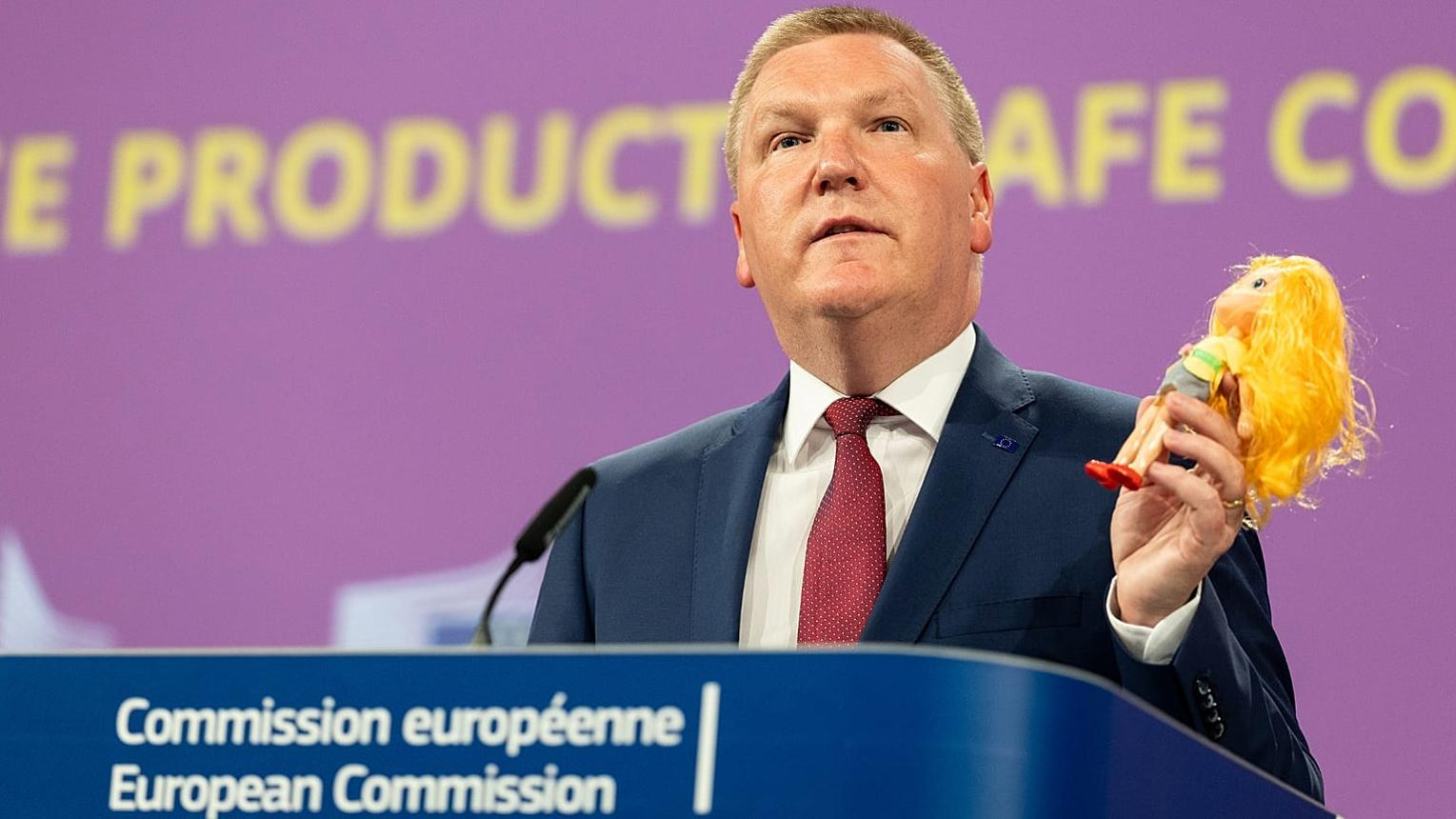
That argument gets an airing this week. The Commission hosts International Product Safety Week from 7 to 10 September under the theme of product safety in motion, bringing regulators, consumer organisations, industry and international bodies together for the twentieth edition. The programme covers enforcement cooperation, digital market surveillance tools, child safety and the implementation of the UN principles on consumer product safety. Details sit on the Safety Gate portal.
The numbers behind the agenda are striking. The Commission’s most recent annual results, published in March, recorded 4,671 Safety Gate alerts during 2025. That is the highest total the rapid alert system has logged since it began operating in 2003, and 13 percent above the previous year. Cosmetics and toys alone accounted for more than half the cases. Follow-up actions, meaning withdrawals, recalls, border seizures and removals from online marketplaces, climbed 35 percent.
Those figures reward a sceptical reading. A record alert count can signal a more dangerous market or a more effective one. National authorities have hired, digitised and coordinated far more aggressively since the General Product Safety Regulation took full effect, so part of the rise measures enforcement capacity rather than risk. The 35 percent jump in follow-up actions supports that interpretation more than the alert total does.
The regulation reshaped the duties of platforms. Online marketplaces operating in the Union must register on the Safety Gate portal, name a single point of contact for product safety, and act on removal orders from market surveillance authorities. More than 1,200 marketplaces had registered by the end of 2025. The Commission set out the enforcement picture in its March statement on action against dangerous products.
A gap remains, and everyone in the room knows it. Registration obliges a platform to cooperate; it does not put an economic operator inside the Union for every item sold. When a seller in a third country ships directly to a consumer, no European entity necessarily holds responsibility for the product, which is exactly the structure the customs reform and the parcel measures now working through the institutions aim to close. Until that lands, cosmetics containing banned substances and toys with detachable small parts will keep reaching doorsteps faster than inspectors reach warehouses.
Consumer groups want the coming Digital Fairness initiative to carry enforcement teeth rather than another set of principles. Industry warns that duplicating obligations across three regulations will bury compliance teams without improving outcomes. Both complaints have merit, and this week’s discussions will not resolve either.
What to watch after the sessions close is whether member states commit to joint enforcement sweeps with fixed timelines. Coordinated action, not fresh drafting, is what moved the numbers last year.