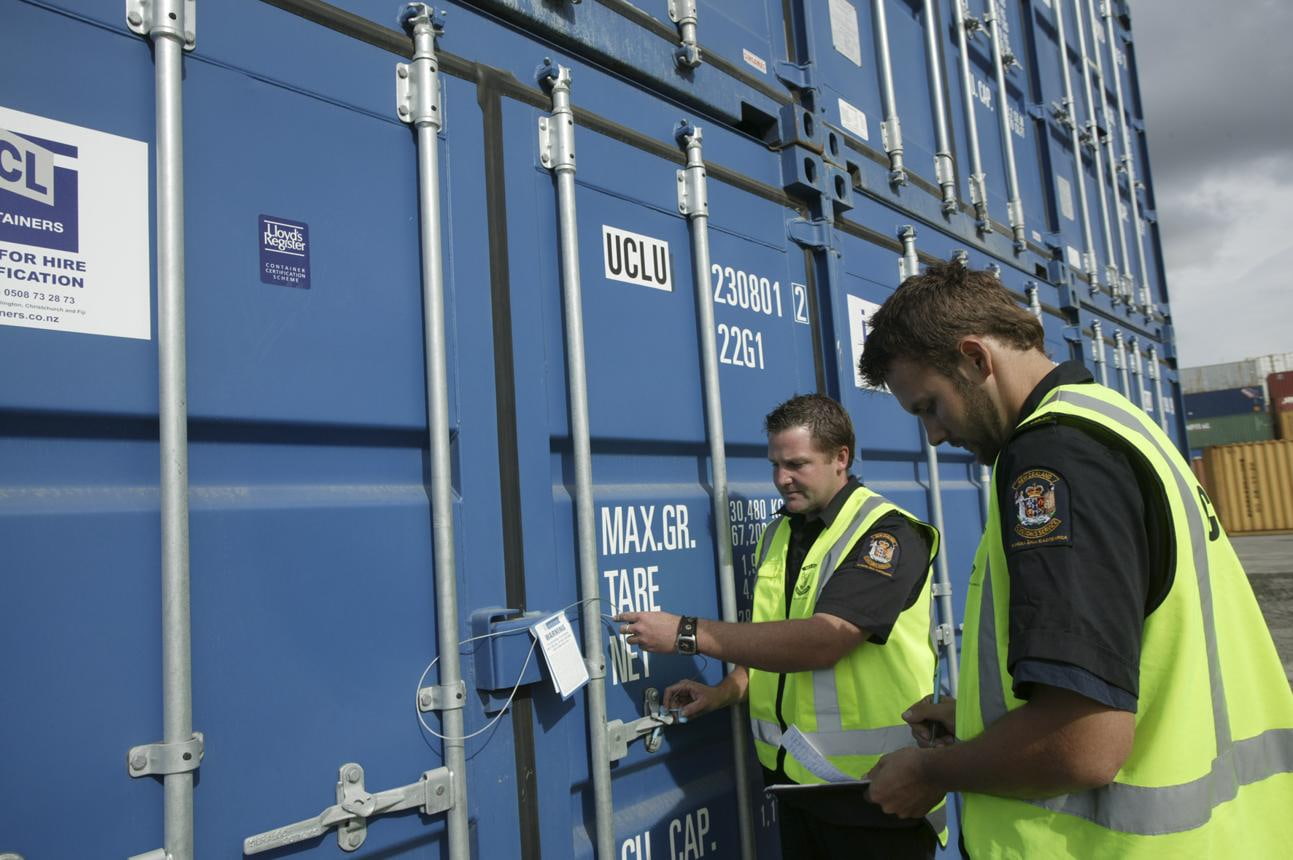
Le Havre: The European Union has adopted the largest overhaul of its customs rules since the original code, and the new EU Customs Authority will sit at the centre of it. Regulation (EU) 2026/2108 replaces the 2013 Union Customs Code, following Council approval on 3 September 2026 and a European Parliament vote on 16 September. It appeared in the Official Journal on 19 September.
The reform changes customs from a system built on individual declarations into one driven by data. A single EU Customs Data Hub will replace fragmented national IT systems for submitting and analysing supply-chain information. Traders will send data once, and customs administrations in all member states will draw on the same pool to assess risk.
The EU Customs Authority will be based in Lille, France, and will manage risk assessment and cooperation between national administrations. The EU Customs Authority’s job is to make controls more consistent, so that a shipment cleared at Rotterdam, Piraeus or Le Havre faces the same scrutiny. Uneven checks can push trade towards the weakest entry point, and a central authority is meant to close that gap.
The timeline is long. Initial Data Hub phases are due from 2028, businesses may use the hub voluntarily from 2031, and use becomes mandatory in 2034. This staged approach gives national customs services and traders time to rebuild their systems, but it also means the EU Customs Authority will spend years coordinating a patchwork of old and new arrangements.
Businesses gain a new status called Trust and Check Trader. Companies that grant customs authorities access to their systems can expect simpler procedures, which rewards transparency with speed. Large importers with mature compliance functions may benefit first, while smaller firms will weigh the cost of opening up their data.
The reform also changes who carries responsibility for online sales from outside the EU. Distance sellers and platforms that ship directly to European consumers must be established in the EU or represented by an authorised entity. They take on duties for customs data, charges and product compliance, which targets the surge of small parcels that customs officers cannot easily inspect.
For citizens, the promised result is fewer unsafe or non-compliant goods and fairer competition for European retailers. For officials, the new EU Customs Authority marks a shift in power, because it adds a European layer to a service that has always been national. Its early work on data standards and risk rules will decide whether the new code delivers more than a new building in Lille.