October 3, 2026
LATEST
Climate Insurance Alliance Targets A 75 percent Gap In Disaster CoverSatellite Firms Await EU Space Act Verdict On NIS2 OverlapErasmus+ Budget Demand Leaves €6.6 Billion Gap To CommissionRaw Materials Corporation Would Stockpile Metals Europe Needs MostKallas Defence Group Collapse Shows Limits Of Her RoleEU Development Cooperation Meets Its Dublin Moment Of TruthG7 Energy Security Pledge Releases 100 Million BarrelsYabloko Sanctions Hit Ten Russian Judges And OfficialsConsultation On EU KIDS Act Tests Under-13 Social Media BanLeaders Await Irish 2028-2034 Budget Draft Before October 15 SummitMedical Devices Regulation Revision Draws 130 Amendments In ParliamentAGILE Defence Programme Heads For Final Vote With Four Month ClockSafe Countries Of Origin List Speeds Asylum Cases From JuneETS2 Delay To 2028 Gives Households A Longer Carbon ReprieveAir Passenger Rights Overhaul Keeps €600 Cap For Long TripsImplementation And Consolidation Year Splits Brussels On Red TapePhilippines Free Trade Agreement Opens 94 percent Of Tariff Lines To EuropeSaudi Arabia EU Summit Revives The Case For A Gulf Trade DealPacific Islands Forum Consensus Rules Test Europe’s Pacific StrategyTunisia Migration Deal Faces Rewrite Demands As Libya Takes The LeadClimate Insurance Alliance Targets A 75 percent Gap In Disaster CoverSatellite Firms Await EU Space Act Verdict On NIS2 OverlapErasmus+ Budget Demand Leaves €6.6 Billion Gap To CommissionRaw Materials Corporation Would Stockpile Metals Europe Needs MostKallas Defence Group Collapse Shows Limits Of Her RoleEU Development Cooperation Meets Its Dublin Moment Of TruthG7 Energy Security Pledge Releases 100 Million BarrelsYabloko Sanctions Hit Ten Russian Judges And OfficialsConsultation On EU KIDS Act Tests Under-13 Social Media BanLeaders Await Irish 2028-2034 Budget Draft Before October 15 SummitMedical Devices Regulation Revision Draws 130 Amendments In ParliamentAGILE Defence Programme Heads For Final Vote With Four Month ClockSafe Countries Of Origin List Speeds Asylum Cases From JuneETS2 Delay To 2028 Gives Households A Longer Carbon ReprieveAir Passenger Rights Overhaul Keeps €600 Cap For Long TripsImplementation And Consolidation Year Splits Brussels On Red TapePhilippines Free Trade Agreement Opens 94 percent Of Tariff Lines To EuropeSaudi Arabia EU Summit Revives The Case For A Gulf Trade DealPacific Islands Forum Consensus Rules Test Europe’s Pacific StrategyTunisia Migration Deal Faces Rewrite Demands As Libya Takes The Lead
October 3, 2026
LATEST
Climate Insurance Alliance Targets A 75 percent Gap In Disaster CoverSatellite Firms Await EU Space Act Verdict On NIS2 OverlapErasmus+ Budget Demand Leaves €6.6 Billion Gap To CommissionRaw Materials Corporation Would Stockpile Metals Europe Needs MostKallas Defence Group Collapse Shows Limits Of Her RoleEU Development Cooperation Meets Its Dublin Moment Of TruthG7 Energy Security Pledge Releases 100 Million BarrelsYabloko Sanctions Hit Ten Russian Judges And OfficialsConsultation On EU KIDS Act Tests Under-13 Social Media BanLeaders Await Irish 2028-2034 Budget Draft Before October 15 SummitMedical Devices Regulation Revision Draws 130 Amendments In ParliamentAGILE Defence Programme Heads For Final Vote With Four Month ClockSafe Countries Of Origin List Speeds Asylum Cases From JuneETS2 Delay To 2028 Gives Households A Longer Carbon ReprieveAir Passenger Rights Overhaul Keeps €600 Cap For Long TripsImplementation And Consolidation Year Splits Brussels On Red TapePhilippines Free Trade Agreement Opens 94 percent Of Tariff Lines To EuropeSaudi Arabia EU Summit Revives The Case For A Gulf Trade DealPacific Islands Forum Consensus Rules Test Europe’s Pacific StrategyTunisia Migration Deal Faces Rewrite Demands As Libya Takes The LeadClimate Insurance Alliance Targets A 75 percent Gap In Disaster CoverSatellite Firms Await EU Space Act Verdict On NIS2 OverlapErasmus+ Budget Demand Leaves €6.6 Billion Gap To CommissionRaw Materials Corporation Would Stockpile Metals Europe Needs MostKallas Defence Group Collapse Shows Limits Of Her RoleEU Development Cooperation Meets Its Dublin Moment Of TruthG7 Energy Security Pledge Releases 100 Million BarrelsYabloko Sanctions Hit Ten Russian Judges And OfficialsConsultation On EU KIDS Act Tests Under-13 Social Media BanLeaders Await Irish 2028-2034 Budget Draft Before October 15 SummitMedical Devices Regulation Revision Draws 130 Amendments In ParliamentAGILE Defence Programme Heads For Final Vote With Four Month ClockSafe Countries Of Origin List Speeds Asylum Cases From JuneETS2 Delay To 2028 Gives Households A Longer Carbon ReprieveAir Passenger Rights Overhaul Keeps €600 Cap For Long TripsImplementation And Consolidation Year Splits Brussels On Red TapePhilippines Free Trade Agreement Opens 94 percent Of Tariff Lines To EuropeSaudi Arabia EU Summit Revives The Case For A Gulf Trade DealPacific Islands Forum Consensus Rules Test Europe’s Pacific StrategyTunisia Migration Deal Faces Rewrite Demands As Libya Takes The Lead

Ethiopia Humanitarian Aid Hits €61 Million As Tigray Fighting Flares

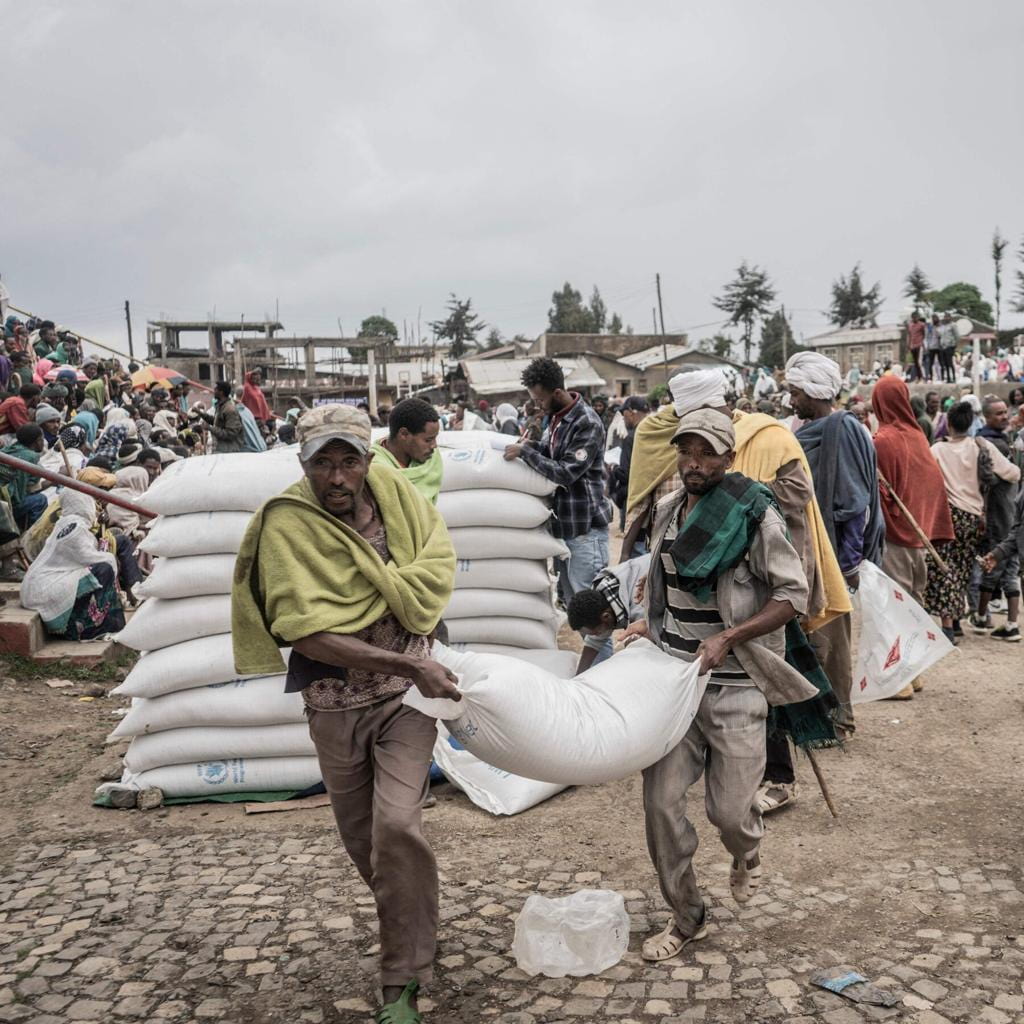
Addis Ababa: Ethiopia humanitarian aid from the European Union reached €61 million for 2026 after the Commission announced fresh funding on 28 September amid renewed conflict in the north of the country. The money comes as the EU voices concern over reports of military activity in Tigray, where Tigray People’s Liberation Front forces have taken control of the airports at Mekelle, Axum and Shire and where the Ethiopian National Defence Force has carried out drone strikes.

The latest Ethiopia humanitarian aid follows an additional €18 million that Commission President Ursula von der Leyen announced on 26 September at the UN General Assembly’s high-level week in New York. That announcement sat inside a wider €710 million package for displaced people in Africa and for global crisis relief. Commissioner Hadja Lahbib said that people in Ethiopia have already paid far too high a price for conflict, displacement and hunger.

The money will cover emergency food assistance and nutrition, healthcare, water, sanitation and hygiene, protection and shelter, and essential household items. It will also pay for education in emergencies and for disaster preparedness and rapid response. Together these lines show a response built around the daily survival needs of families who have lost homes and income.

Humanitarian needs stay especially high in four regions, namely Amhara, Benishangul-Gumuz, Oromia and Tigray. Aid agencies must reach communities in each of them while fighting and flight disruptions complicate access. The airports in Tigray matter here, because air links often carry medicines and staff when roads close.

Ethiopia humanitarian aid must also answer pressures that have little to do with the battlefield. The country hosts more than one million refugees, and it endures recurring droughts, floods and disease outbreaks. Climate shocks and conflict feed each other, since a failed harvest pushes people toward towns and camps that already struggle to cope.

The von der Leyen package shows how Brussels links relief with longer-term support. Of the €710 million total, €380 million goes to migration and displacement programmes in Sub-Saharan Africa, and €252 million comes from the emergency aid reserve, still pending approval by the budgetary authority. Within that package, Ethiopia also receives €60 million through Global Gateway for primary health care, a separate stream from the emergency money.

Ethiopia humanitarian aid sits within a global budget, and the Commission says it has allocated more than €2.53 billion in humanitarian aid since the start of 2026. That figure places Ethiopia among many competing crises, from Ukraine and the Middle East to the Great Lakes region, where an Ebola response needs €7.5 million. Donors therefore face hard choices about where each euro does the most good.

Aid groups often argue that predictable funding matters as much as headline sums, and Ethiopia humanitarian aid is no exception. Partners who know their budget early can pre-position food, hire staff and keep clinics open through lean months. The EU’s year-round allocation pattern gives some of that certainty, although the emergency reserve still depends on political approval.

The latest Ethiopia humanitarian aid decision thus carries a double message. It shows that Brussels will keep paying for lifesaving work while fighting continues, and it reminds partners that access, rather than money alone, will decide how many people the help ultimately reaches.