September 16, 2026
LATEST
Six Billion in Promised Savings Rests on a Digital WalletAuditors Question the rescEU Budget Before the Fleet ArrivesDuty-Free Access for Armenian Exports Comes With a Conditions ListA Mirror Measure Closed Europe to Brazilian Meat in One DayEurope’s Creative Sectors Wait on an AI Strategy DraftSoftware Makers Face Europe’s Product Liability Deadline in DecemberMetro 3 Overran by 477 Percent and the Line Sits FrozenCage-Free Promises Land Before the Transport File Is FinishedTwo New Calls Will Test How Flexible Horizon Europe Really IsEurope’s Innovation Act Counts 10 Billion It Has Not Found YetProcurement Is the Chapter That Could Stall the Thailand DealMobility Week Returns With a Test of Intergenerational FairnessMinisters Debate the Chips Act Next Week With No Money AttachedTaiwan Wants Tax Treaties That Brussels Has No Power to SignNorth Korea Now Earns From Europe Without Shipping AnythingPalm Oil Is the Last Hard Question Before the Indonesia SigningCan One Year Deliver Both a Trade Deal and a Sea CodeVietnam Reached Europe’s Top Partnership Tier With Little DetailLeaked Draft Puts Europe’s Social Media Age Limit at FifteenFP10 Clears Committee and the Budget Gap Stays Wide OpenSix Billion in Promised Savings Rests on a Digital WalletAuditors Question the rescEU Budget Before the Fleet ArrivesDuty-Free Access for Armenian Exports Comes With a Conditions ListA Mirror Measure Closed Europe to Brazilian Meat in One DayEurope’s Creative Sectors Wait on an AI Strategy DraftSoftware Makers Face Europe’s Product Liability Deadline in DecemberMetro 3 Overran by 477 Percent and the Line Sits FrozenCage-Free Promises Land Before the Transport File Is FinishedTwo New Calls Will Test How Flexible Horizon Europe Really IsEurope’s Innovation Act Counts 10 Billion It Has Not Found YetProcurement Is the Chapter That Could Stall the Thailand DealMobility Week Returns With a Test of Intergenerational FairnessMinisters Debate the Chips Act Next Week With No Money AttachedTaiwan Wants Tax Treaties That Brussels Has No Power to SignNorth Korea Now Earns From Europe Without Shipping AnythingPalm Oil Is the Last Hard Question Before the Indonesia SigningCan One Year Deliver Both a Trade Deal and a Sea CodeVietnam Reached Europe’s Top Partnership Tier With Little DetailLeaked Draft Puts Europe’s Social Media Age Limit at FifteenFP10 Clears Committee and the Budget Gap Stays Wide Open
September 16, 2026
LATEST
Six Billion in Promised Savings Rests on a Digital WalletAuditors Question the rescEU Budget Before the Fleet ArrivesDuty-Free Access for Armenian Exports Comes With a Conditions ListA Mirror Measure Closed Europe to Brazilian Meat in One DayEurope’s Creative Sectors Wait on an AI Strategy DraftSoftware Makers Face Europe’s Product Liability Deadline in DecemberMetro 3 Overran by 477 Percent and the Line Sits FrozenCage-Free Promises Land Before the Transport File Is FinishedTwo New Calls Will Test How Flexible Horizon Europe Really IsEurope’s Innovation Act Counts 10 Billion It Has Not Found YetProcurement Is the Chapter That Could Stall the Thailand DealMobility Week Returns With a Test of Intergenerational FairnessMinisters Debate the Chips Act Next Week With No Money AttachedTaiwan Wants Tax Treaties That Brussels Has No Power to SignNorth Korea Now Earns From Europe Without Shipping AnythingPalm Oil Is the Last Hard Question Before the Indonesia SigningCan One Year Deliver Both a Trade Deal and a Sea CodeVietnam Reached Europe’s Top Partnership Tier With Little DetailLeaked Draft Puts Europe’s Social Media Age Limit at FifteenFP10 Clears Committee and the Budget Gap Stays Wide OpenSix Billion in Promised Savings Rests on a Digital WalletAuditors Question the rescEU Budget Before the Fleet ArrivesDuty-Free Access for Armenian Exports Comes With a Conditions ListA Mirror Measure Closed Europe to Brazilian Meat in One DayEurope’s Creative Sectors Wait on an AI Strategy DraftSoftware Makers Face Europe’s Product Liability Deadline in DecemberMetro 3 Overran by 477 Percent and the Line Sits FrozenCage-Free Promises Land Before the Transport File Is FinishedTwo New Calls Will Test How Flexible Horizon Europe Really IsEurope’s Innovation Act Counts 10 Billion It Has Not Found YetProcurement Is the Chapter That Could Stall the Thailand DealMobility Week Returns With a Test of Intergenerational FairnessMinisters Debate the Chips Act Next Week With No Money AttachedTaiwan Wants Tax Treaties That Brussels Has No Power to SignNorth Korea Now Earns From Europe Without Shipping AnythingPalm Oil Is the Last Hard Question Before the Indonesia SigningCan One Year Deliver Both a Trade Deal and a Sea CodeVietnam Reached Europe’s Top Partnership Tier With Little DetailLeaked Draft Puts Europe’s Social Media Age Limit at FifteenFP10 Clears Committee and the Budget Gap Stays Wide Open

Why Twenty Capitals Let the Nature Restoration Deadline Pass

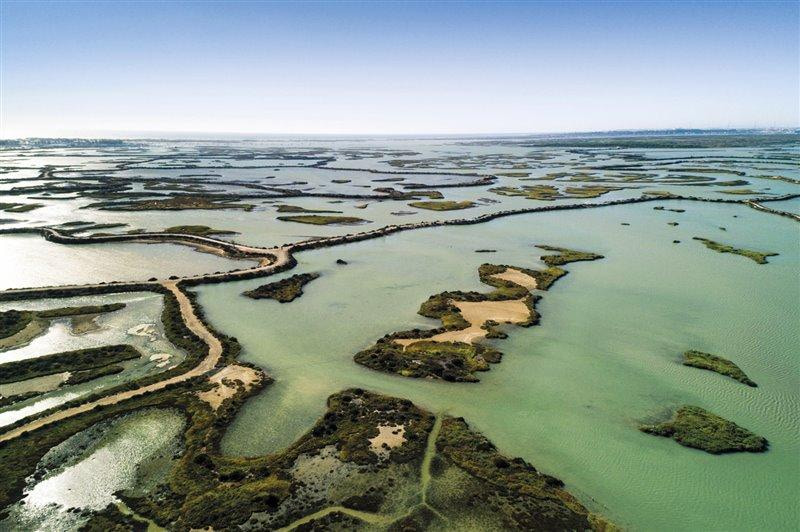
Doñana: The marshes south of Seville have spent two decades as the standing example of what European nature policy struggles to fix. On 1 September they became something else as well, a test case for whether the continent can write down, in one document, exactly how it intends to repair what it has degraded. Spain filed its draft plan on time. Twenty other member states did not.

The deadline came from the Nature Restoration Regulation, which entered into force in August 2024 after one of the most contested legislative fights of the last mandate. The law obliges every member state to submit a draft national restoration plan setting out how it will meet the 2030 targets, with a strategic outline running to 2040 and 2050. Austria, Bulgaria, Ireland, Luxembourg, the Netherlands, Portugal and Spain met the date. The rest asked, in effect, for more time.

The Commission has chosen patience over procedure. Officials describe the regulation as new and complex, and say the priority is helping capitals finish the drafting rather than opening infringement files against three quarters of the Union in the same month. That reading is defensible. Restoration planning demands habitat mapping, land-ownership data, agricultural modelling and a funding line, and several environment ministries simply do not hold all four.

It is also a choice with consequences. The regulation gives the Commission six months to review each draft and send observations, after which member states finalise and publish around September 2027. A plan that arrives in December compresses that review into whatever weeks remain. The risk is not that the 2030 targets move. The risk is that the first round of Commission feedback becomes a formality because nobody has time to act on it.

Environmental groups have already read the seven submitted drafts and found them thin. Their complaint is less about the headline hectares than about the machinery underneath, particularly the absence of costed measures and named responsible authorities. A restoration target without a budget line behaves like an aspiration, and the regulation was written precisely to stop that from happening again.

The funding question is the one nobody has answered. Restoration competes for the same national envelopes as farm support, flood defence and rural development, and the next multiannual budget will not settle before these plans are supposed to be final. Ministries drafting now are guessing at the money they will have in 2029. Some of the delay is genuinely a resourcing problem rather than reluctance.

There is a political layer too. The regulation survived a near-death experience in Council, and several governments that abstained or voted against it now carry the job of implementing it. Slow drafting is a low-cost way to register continued discomfort without reopening a law that took years to pass. Distinguishing that from honest administrative overload is the Commission’s problem, and it will only become visible when the late plans actually arrive.

What happens next is quieter than an infringement case. The Commission will review what it has, publish observations, and let the gap between the seven and the twenty become a matter of record. The Commission account of the submissions keeps a deliberately neutral tone. The European Environment Agency has published tools and a uniform reporting format, so the technical excuses are narrowing.

Doñana will recover or it will not, and the plan Spain filed will not decide that on its own. But the regulation rests on the assumption that writing the plan forces the argument about money and land into the open. Twenty capitals have now deferred that argument by several months, which is the most informative thing that happened on 1 September.