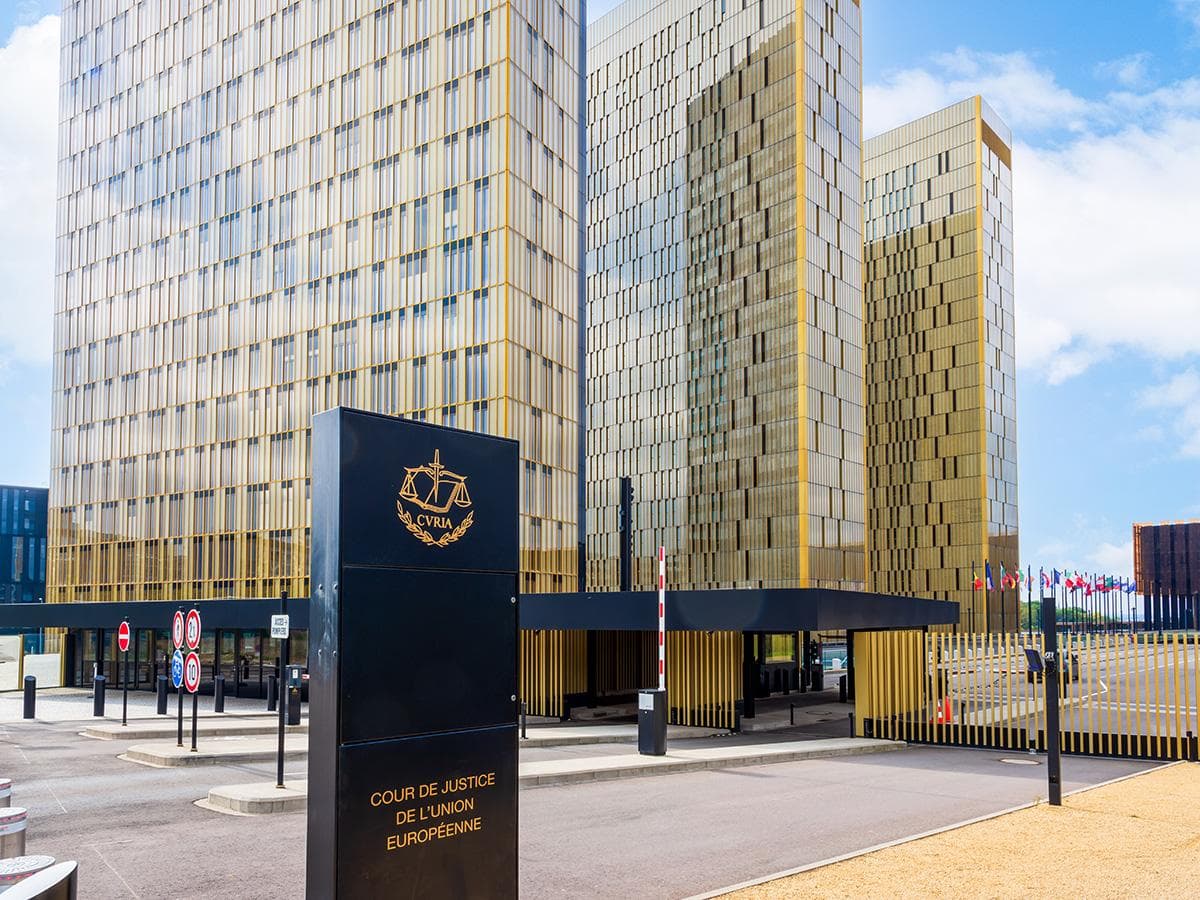
Luxembourg: The EU windfall levy on fossil-fuel profits is lawful, Advocate General Athanasios Rantos told the Court of Justice on 22 October 2026, giving governments a strong signal that the 2022 emergency measure will survive judicial review. The opinion is not binding, but judges follow Advocate General reasoning in most cases.
The advice covers three linked references: C-358/24 from Belgium, C-533/24 from Ireland and C-153/25 from Italy. A related Romanian case, C-731/25, is still pending. The Grand Chamber heard the main cases on 9 June 2026, so a judgment could follow in the coming months.
What the EU windfall levy actually does
Regulation (EU) 2022/1854 created an emergency solidarity contribution for 2022 and 2023. It applies to profits of crude oil, natural gas, coal and refinery businesses that exceed the average of the four preceding years by more than 20%. The EU set a minimum rate of 33%, and Member States could go higher.
Several governments did exactly that. Belgium applies a 75% rate to profits above 120% of the relevant average, while Romania’s national rate in the pending case is 60%. The companies challenging the EU windfall levy argue that the EU never had the power to impose it in the first place.
Why the legal basis matters most
The central question is whether Article 122(1) TFEU can support a measure with such a strong fiscal effect. Taxation normally needs unanimity under Article 115, so the legal basis of the EU windfall levy is the heart of the dispute. Rantos found that Article 122(1) is a valid basis because the measure was urgent, temporary and grounded in solidarity between Member States during the 2022 energy crisis.
If the Court agrees, the EU gains a precedent that crisis powers can reach into tax policy. That prospect worries business groups, and it explains why the EU windfall levy attracts more attention than its revenue alone would suggest.
Property rights, State aid and retroactivity
The Advocate General also rejected the other grounds of attack. He saw no State aid, because limiting the contribution to the largest companies rests on an objective criterion. He found no breach of the right to property or the freedom to conduct a business under Articles 16 and 17 of the Charter, and no discriminatory taxation under Article 110 TFEU.
He further concluded that the levy was not impermissibly retroactive. Companies could argue that the EU windfall levy arrived late, since they booked their 2022 profits before the rules existed. The opinion treats the measure as a proportionate response to extraordinary market conditions rather than a punishment.
Member States may also extend the contribution to other entities, the Advocate General said, provided the overall burden and the objectives match the regulation. That reading protects national top-ups such as the Belgian rate and keeps the EU windfall levy workable for capitals.
A split across national courts
Not every national judge shares this view. In an order of 27 October 2025 in case II B 5/25, Germany’s Bundesfinanzhof voiced serious doubts about the levy and suspended enforcement. The Luxembourg judgment will therefore decide more than three references, because it will guide courts in every Member State that applied the measure.
For the Commission, a favourable ruling would also shape future debates about temporary revenue measures when energy prices spike again. For companies, an adverse ruling could open the door to refund claims for the 2022 and 2023 contributions.
What happens next
The Court is not bound by the opinion, yet it departs from Advocate General conclusions only in a minority of cases. Tax advisers should watch for the judgment date, which the Court has not announced. If the Court follows Rantos, the EU windfall levy will stand as a lawful emergency instrument, and the pending national disputes will probably end in the governments’ favour.
If it does not, the consequences for national budgets could be significant. Either way, the ruling will define how far Article 122 can stretch in the next crisis, and the EU windfall levy will remain the reference case.