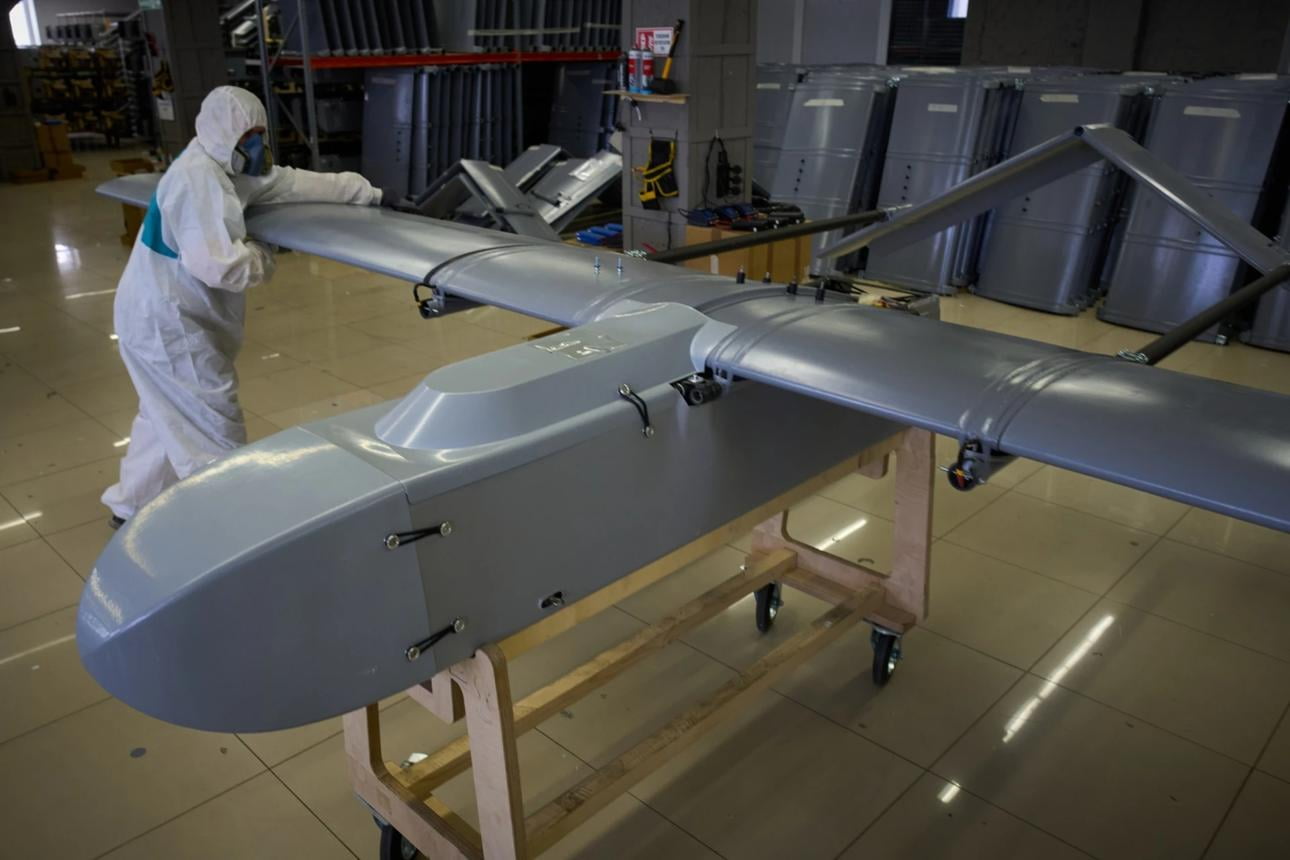
Military aid for Ukraine received a fresh €1 billion on 20 November 2026, when the Council of the EU approved a new tranche under the European Peace Facility. The package covers drones, air defence, ammunition, electronic warfare kit, radar systems and explosives, with deliveries due by the end of 2027.
What the new military aid for Ukraine includes
The decision builds on a political agreement that member states reached on 25 September 2026 to mobilise €6.6 billion in total for Ukraine under the facility. This week’s tranche turns part of that envelope into concrete orders of military aid for Ukraine.
High Representative Kaja Kallas framed the move bluntly. She said Russia showed no sign of wanting peace and that the EU was approving another €1 billion to support Ukraine’s ability to defend itself.
The equipment list reflects lessons from the past two winters. Russia continues to target power plants and grids, so interceptors, radars and electronic warfare systems now rank as urgently as artillery shells.
How the European Peace Facility pays for weapons
The European Peace Facility, the main EU channel for military aid for Ukraine, sits outside the EU budget. Created in 2021 under Council Decision (CFSP) 2021/509, it draws contributions from member states according to a gross national income key and reimburses capitals for equipment they supply or buy.
That design gives the instrument flexibility, but it also exposes it to vetoes. Hungary blocked reimbursements and new tranches for long periods after 2023, and the EU responded with workarounds such as the Ukraine Assistance Fund agreed in March 2024 and constructive abstention, which lets a state stay out without stopping others.
The September agreement and this week’s decision show that the facility can still deliver when capitals align. They also show how much political energy each tranche consumes.
Delivery speed now matters more than headline sums
A billion euros of military aid for Ukraine sounds large, yet it covers only a fraction of Ukraine’s annual defence needs. The real test lies in how fast European industry can turn contracts into equipment at the front.
Drone production offers the quickest returns, because Ukrainian and European firms can scale output within months. Air defence interceptors remain the bottleneck, as manufacturers face long lead times for missiles and critical components.
The end-2027 deadline therefore carries weight. Deliveries that arrive late in that window would help rebuild Ukrainian stocks, but they would do little for the coming winter, when strikes on energy infrastructure usually peak.
Strategic signal for Moscow and Washington
The decision also sends a message beyond Kyiv. With peace diplomacy intensifying and uncertainty over long-term US support, Europe wants to show that its military aid for Ukraine does not depend on any single partner.
Predictable funding strengthens Ukraine’s hand in any negotiation. It also supports European defence firms, which need multi-year orders before they invest in new production lines.
What happens next
Attention now turns to the remaining balance of the €6.6 billion envelope and to how quickly capitals place orders. Member states will also need to decide whether the facility, or a new instrument under the 2028-2034 budget, should carry the burden after 2027.
For Ukrainian commanders, the measure of success is simple. Military aid for Ukraine counts only when the drones, radars and interceptors reach the units that need them.