Astana: The Kazakh capital spent the second week of June hosting two events that, taken together, capture Europe’s central weakness in the global scramble for critical minerals. The C5+1 Critical Minerals Dialogue brought the five Central Asian states together with the United States, while the Astana Mining and Metallurgy Congress drew investors from across the world. A senior American envoy attended in person, and the message from Washington was that it intends to move from dialogue to deals. The European Union, the region’s self-declared partner of choice on raw materials, was conspicuously not in the room.
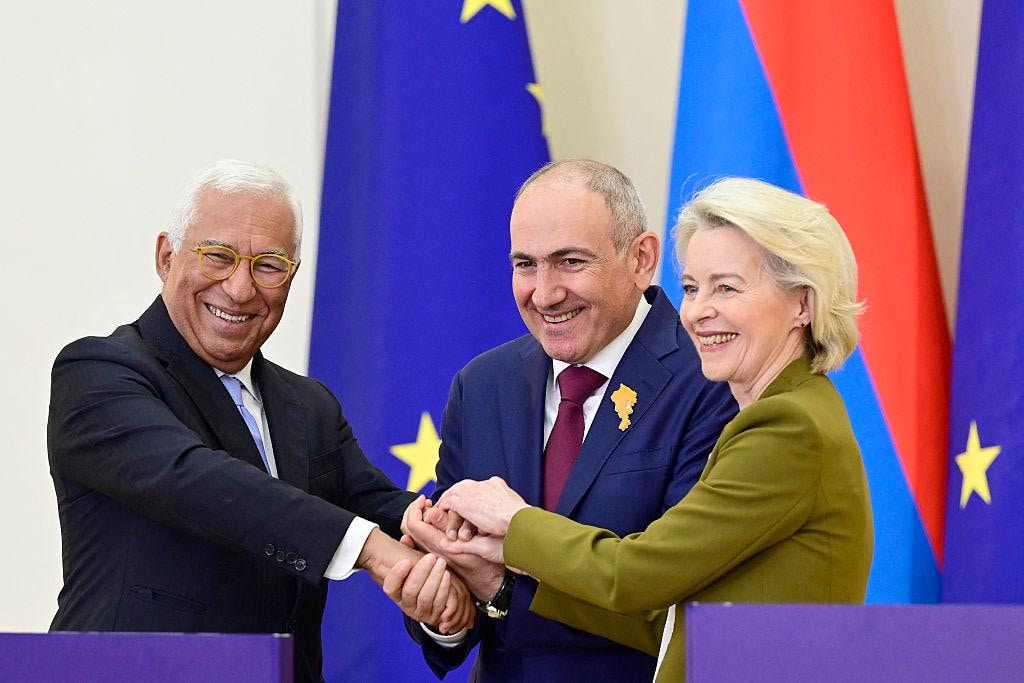
That absence matters more than it might appear. Central Asia sits atop deposits of the metals that electric vehicles, wind turbines and defence systems cannot do without, and its great commercial virtue is geography. Refined minerals can travel west across the Caspian Sea to Azerbaijan and onward through Turkey or Georgia, reaching European markets without crossing Russian or Chinese territory. This Middle Corridor, the Trans-Caspian route, is the physical backbone of any serious European bid to diversify supply. Brussels understands this. At the first European Union and Central Asia summit in Samarkand last year it pledged twelve billion euros under its Global Gateway programme, with two and a half billion earmarked for critical raw materials and a strategic partnership with Kazakhstan covering metals, batteries and renewable hydrogen.
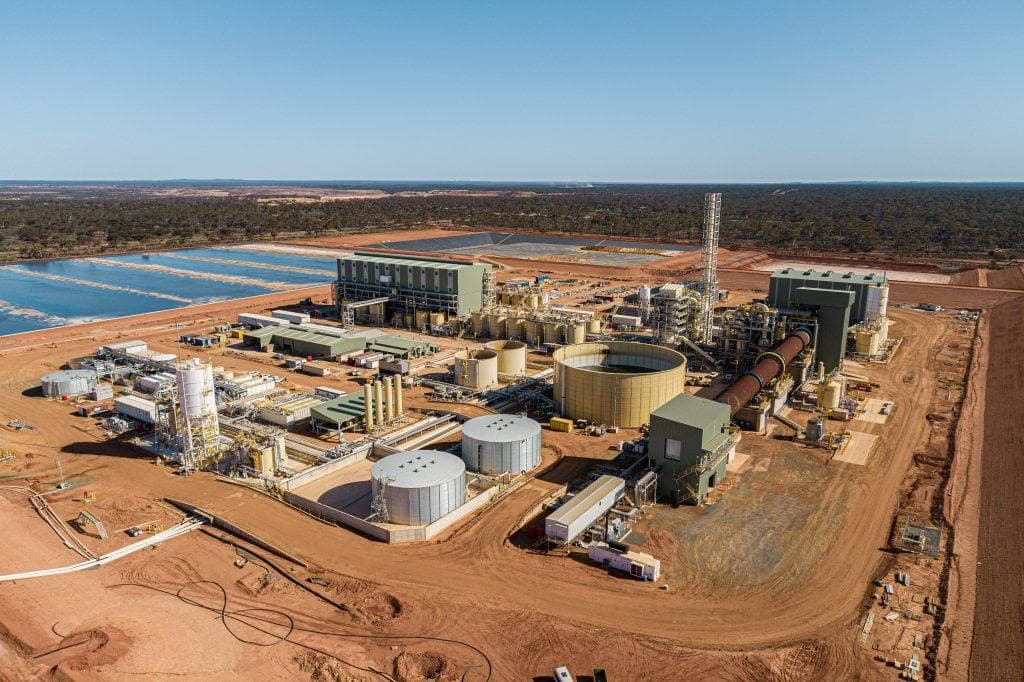
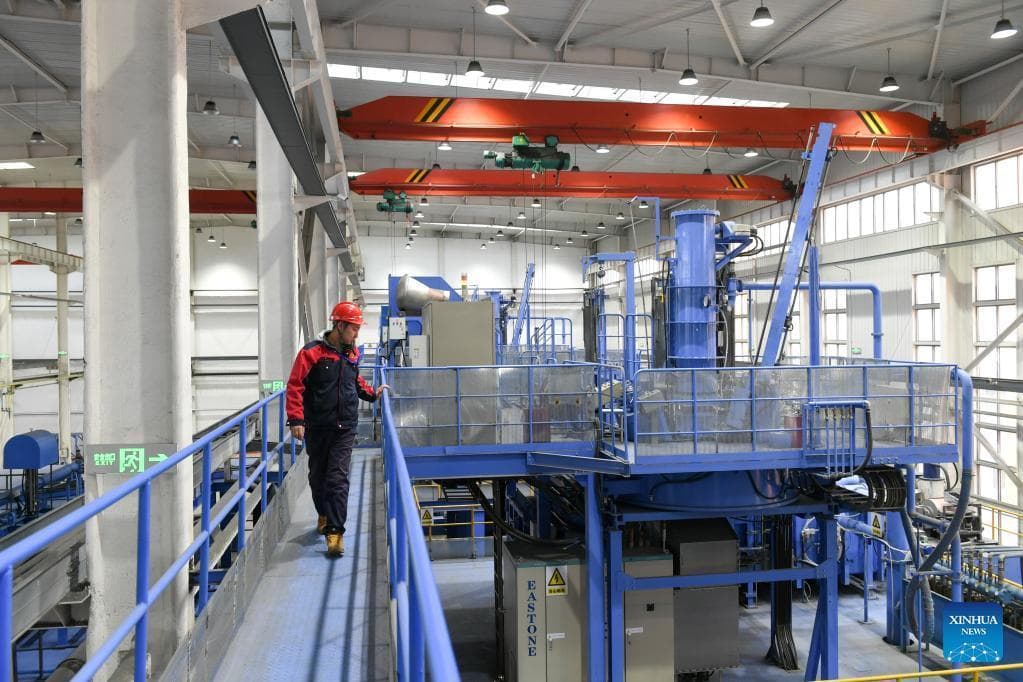
The trouble is the gap between commitment and execution. European announcements arrive wrapped in the language of sustainability, governance and long-term partnership, which is admirable but slow. Washington, by contrast, is offering transactional speed, and Beijing already owns much of the region’s processing capacity. For Kazakhstan and its neighbours, the C5+1 format is less an alliance than a marketplace, a way to turn geological potential into investment and political leverage by playing suitors against one another. A region that can choose among three buyers has little incentive to wait for the most procedurally demanding one.
Europe’s predicament is partly of its own making. The energy transition that drives demand for these minerals is the same policy agenda that makes European financing conditional on environmental and labour standards mining states find onerous. That tension is not a reason to abandon standards, which are a genuine source of European soft power, but it does require Brussels to pair them with money that moves and projects that finish. Too many Global Gateway commitments remain roadmaps rather than railways and smelters. Until Trans-Caspian logistics, processing plants and offtake agreements actually materialise, the headline figures will impress no one in Astana.
The strategic stakes reach beyond commerce. If the European Union cannot secure reliable mineral supplies, its industrial and climate ambitions both stall, and its dependence on Chinese-controlled processing deepens precisely as it claims to be reducing it. Central Asia offers a rare chance to address that vulnerability through partners who are themselves wary of Russian and Chinese dominance and who actively want a European counterweight. The window is open, but it is not permanent.
The lesson from Astana is uncomfortable but clarifying. Influence in the new minerals economy will go to whoever combines capital, infrastructure and follow-through, not to whoever drafts the most thoughtful declaration. Brussels has the strategy and the standards. What it has yet to prove is that it can build faster than its rivals can buy.