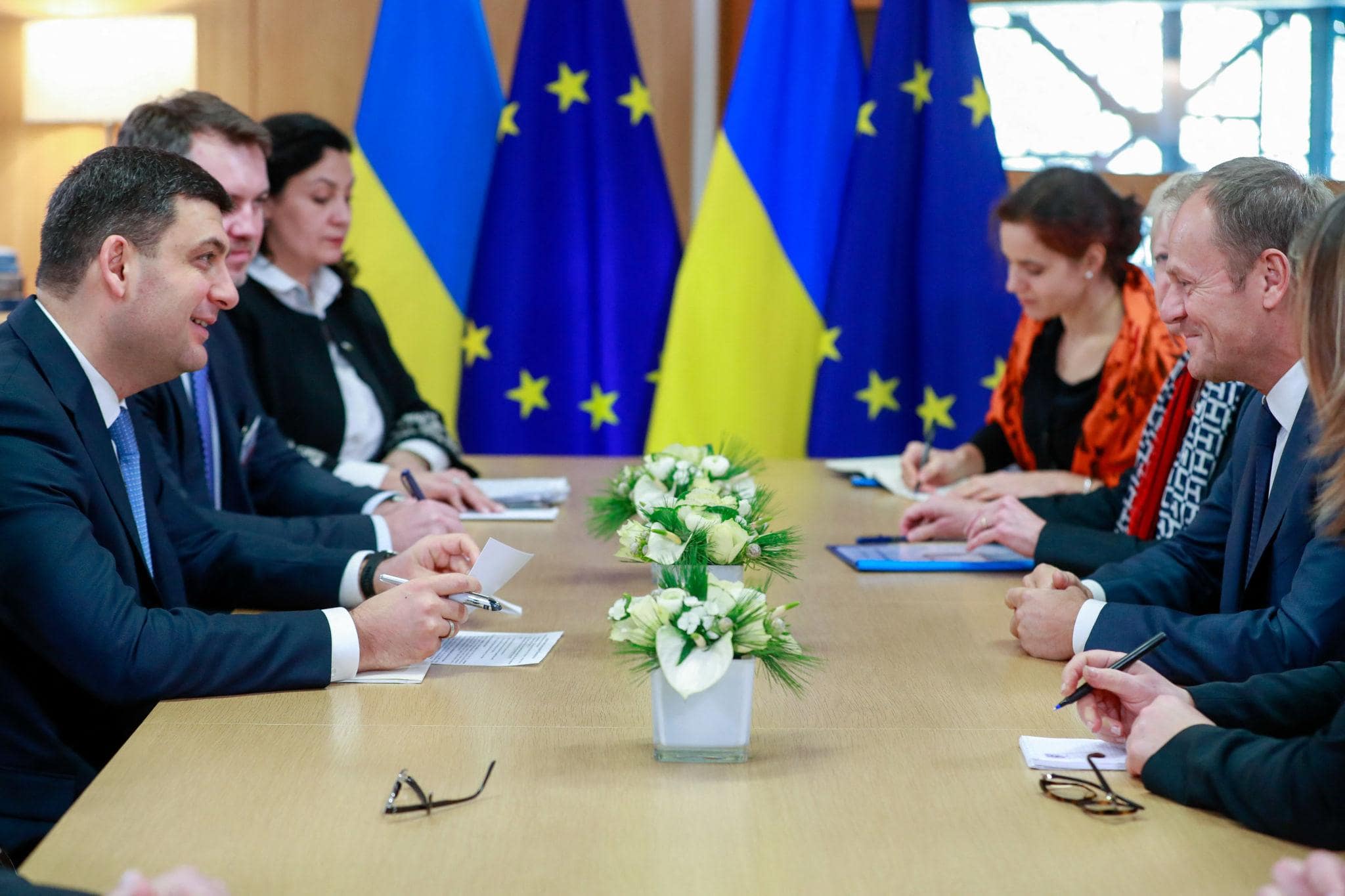
Brussels: The European Union has rewritten its air passenger rights for the first time in more than twenty years, handing travellers clearer entitlements when their flights collapse. Negotiators from the Council and the European Parliament sealed the reform in July 2026, unlocking a file that had stalled since 2013.
The Commission describes the deal as the deepest change to the rulebook since the original 2004 regulation. Lawmakers argue that the old text left too many passengers stranded while airlines and consumer groups fought over its meaning in national courts.
The new rules press airlines to act quickly when they cancel a flight or deny boarding. If a passenger asks to be rerouted, the carrier must offer the fastest available option within three hours, and it must look beyond its own network to rival airlines, trains, or buses. Where the airline fails to arrange that journey, the traveller can book an alternative and claim the cost back.
The reform also tackles the compensation fights that have dogged the sector. It fixes clearer delay thresholds that trigger payouts, standardises the claim form across the bloc, and obliges carriers to tell passengers about their rights the moment disruption strikes rather than after the fact. Negotiators say these steps should cut the number of disputes that reach regulators.
Care obligations survive the overhaul intact. Airlines must still provide meals, refreshments, and, where needed, overnight accommodation when long delays leave passengers waiting at the gate. The revised text spells out how far those duties stretch during extraordinary events such as storms or air-traffic strikes, a grey zone that carriers have exploited for years.
Consumer advocates gave the agreement a mixed verdict. They welcomed the tighter rerouting duty and the automatic information rules, yet they warned that higher delay thresholds could strip compensation from some travellers who would have qualified under the old regime. Airlines, for their part, praised the simpler paperwork and the promise of fewer courtroom battles.
The Commission set out the practical detail in its guidance on passenger rights across the Union, and the transport department published the reform on its air mobility pages. Both stress that the changes cover any flight departing from an EU airport, and flights into the bloc operated by European carriers.
Travellers will not feel the effects immediately. The strengthened protections take hold from the middle of 2027, giving airlines and national enforcers time to adapt their systems, retrain staff, and update booking platforms. Until then, the current rules continue to govern claims.
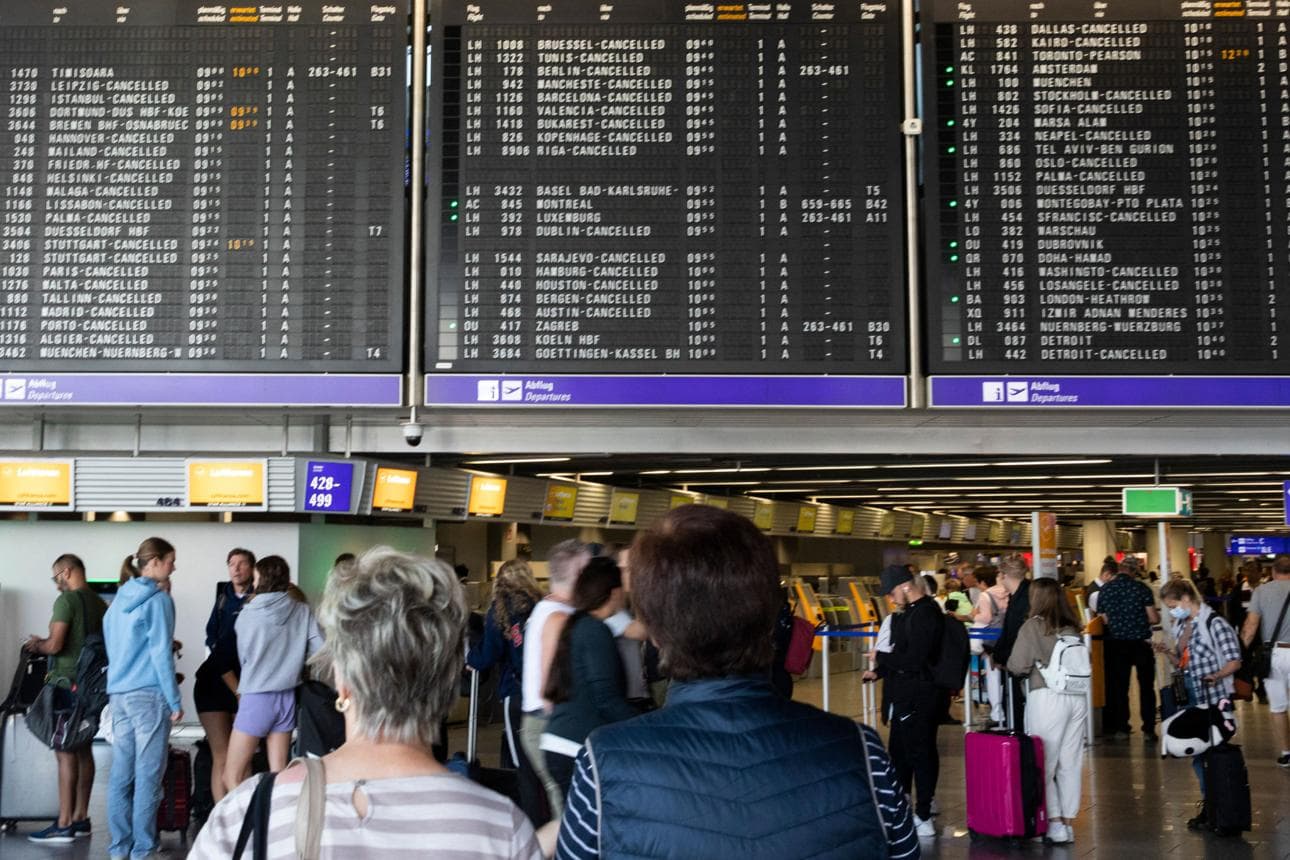
The overhaul lands as European air traffic runs near record levels and delays climb through a fraught summer season. By binding carriers to firm deadlines and cross-border rerouting, Brussels hopes to shift the balance of power back toward the passenger, and to make the single aviation market feel a little fairer the next time a departure board turns red.