August 8, 2026
LATEST
New EU Gas Market Rules Take Effect With Consumer SafeguardsDeforestation Regulation Holds Its December Deadline Despite CutsDigital Omnibus Delays Europe’s High-Risk AI Deadline to 2027Europe’s Schools Confront a Widening Basic Skills GapRule of Law Report Finds Progress but Trust Still LagsIRIS2 Gains 66 Satellites as Brussels Signs the Rollout DealNature Restoration Plans Come Due as Member States Race a DeadlineECB Rates Hold at 2.25 Percent as Frankfurt Waits on the DataEU Budget Talks Turn to Cohesion as Ireland Takes OverWildfire Response Stretches Europe’s Emergency Fleet ThinCan Europe’s Quantum Plan Match Its Big Ambitions?Armenia Edges West as Moscow’s Grip Slips AwayEurope Inherits the World’s Aid Bill It Cannot Fully PayAir Passenger Rights Get Their First Overhaul in Two DecadesErasmus Opens a 5 Billion Euro Round for Skills and MobilityCeuta Crisis Pushes the EU Toward Faster Migrant ReturnsBulky Parcels Face a Packaging Crackdown From August 12Can Europe Build Its Drone Wall Before 2030 Arrives?Indonesia’s Trade Deal With Europe Nears Its Final SignatureEurope Leans on Beijing to Keep Climate Talks Alive Before AntalyaNew EU Gas Market Rules Take Effect With Consumer SafeguardsDeforestation Regulation Holds Its December Deadline Despite CutsDigital Omnibus Delays Europe’s High-Risk AI Deadline to 2027Europe’s Schools Confront a Widening Basic Skills GapRule of Law Report Finds Progress but Trust Still LagsIRIS2 Gains 66 Satellites as Brussels Signs the Rollout DealNature Restoration Plans Come Due as Member States Race a DeadlineECB Rates Hold at 2.25 Percent as Frankfurt Waits on the DataEU Budget Talks Turn to Cohesion as Ireland Takes OverWildfire Response Stretches Europe’s Emergency Fleet ThinCan Europe’s Quantum Plan Match Its Big Ambitions?Armenia Edges West as Moscow’s Grip Slips AwayEurope Inherits the World’s Aid Bill It Cannot Fully PayAir Passenger Rights Get Their First Overhaul in Two DecadesErasmus Opens a 5 Billion Euro Round for Skills and MobilityCeuta Crisis Pushes the EU Toward Faster Migrant ReturnsBulky Parcels Face a Packaging Crackdown From August 12Can Europe Build Its Drone Wall Before 2030 Arrives?Indonesia’s Trade Deal With Europe Nears Its Final SignatureEurope Leans on Beijing to Keep Climate Talks Alive Before Antalya
August 8, 2026
LATEST
New EU Gas Market Rules Take Effect With Consumer SafeguardsDeforestation Regulation Holds Its December Deadline Despite CutsDigital Omnibus Delays Europe’s High-Risk AI Deadline to 2027Europe’s Schools Confront a Widening Basic Skills GapRule of Law Report Finds Progress but Trust Still LagsIRIS2 Gains 66 Satellites as Brussels Signs the Rollout DealNature Restoration Plans Come Due as Member States Race a DeadlineECB Rates Hold at 2.25 Percent as Frankfurt Waits on the DataEU Budget Talks Turn to Cohesion as Ireland Takes OverWildfire Response Stretches Europe’s Emergency Fleet ThinCan Europe’s Quantum Plan Match Its Big Ambitions?Armenia Edges West as Moscow’s Grip Slips AwayEurope Inherits the World’s Aid Bill It Cannot Fully PayAir Passenger Rights Get Their First Overhaul in Two DecadesErasmus Opens a 5 Billion Euro Round for Skills and MobilityCeuta Crisis Pushes the EU Toward Faster Migrant ReturnsBulky Parcels Face a Packaging Crackdown From August 12Can Europe Build Its Drone Wall Before 2030 Arrives?Indonesia’s Trade Deal With Europe Nears Its Final SignatureEurope Leans on Beijing to Keep Climate Talks Alive Before AntalyaNew EU Gas Market Rules Take Effect With Consumer SafeguardsDeforestation Regulation Holds Its December Deadline Despite CutsDigital Omnibus Delays Europe’s High-Risk AI Deadline to 2027Europe’s Schools Confront a Widening Basic Skills GapRule of Law Report Finds Progress but Trust Still LagsIRIS2 Gains 66 Satellites as Brussels Signs the Rollout DealNature Restoration Plans Come Due as Member States Race a DeadlineECB Rates Hold at 2.25 Percent as Frankfurt Waits on the DataEU Budget Talks Turn to Cohesion as Ireland Takes OverWildfire Response Stretches Europe’s Emergency Fleet ThinCan Europe’s Quantum Plan Match Its Big Ambitions?Armenia Edges West as Moscow’s Grip Slips AwayEurope Inherits the World’s Aid Bill It Cannot Fully PayAir Passenger Rights Get Their First Overhaul in Two DecadesErasmus Opens a 5 Billion Euro Round for Skills and MobilityCeuta Crisis Pushes the EU Toward Faster Migrant ReturnsBulky Parcels Face a Packaging Crackdown From August 12Can Europe Build Its Drone Wall Before 2030 Arrives?Indonesia’s Trade Deal With Europe Nears Its Final SignatureEurope Leans on Beijing to Keep Climate Talks Alive Before Antalya

EU Budget Talks Turn to Cohesion as Ireland Takes Over

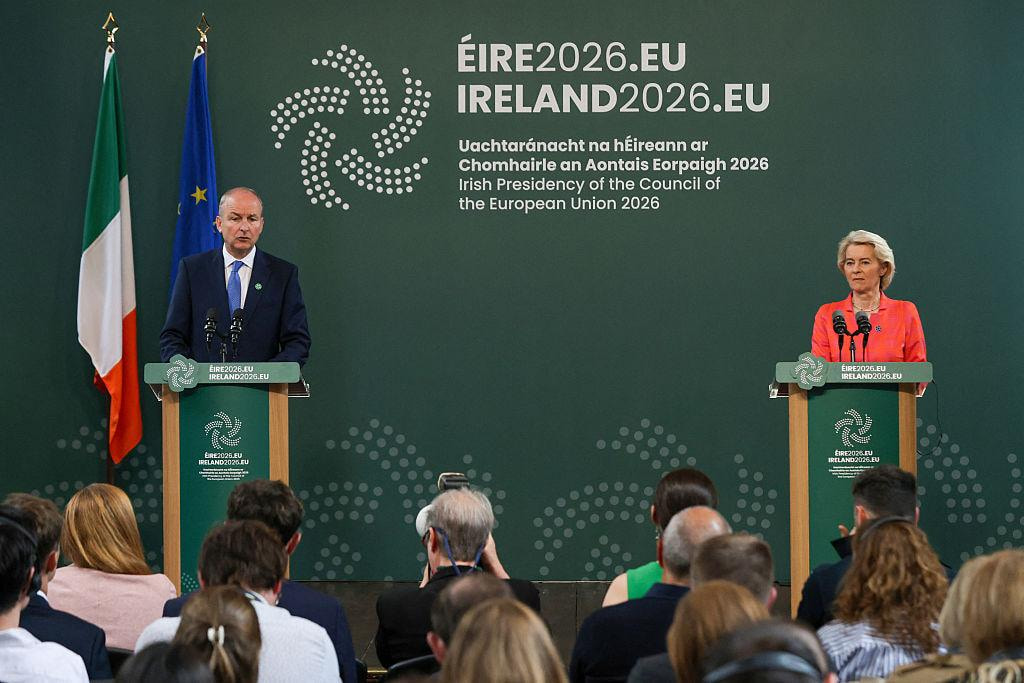
The next EU budget has entered its most sensitive phase, and Ireland now holds the pen. Dublin took over the rotating presidency of the Council on 1 August and inherited the job of turning a sprawling spending plan for 2028 to 2034 into a deal that leaders can sign before the year ends.

At stake is the Multiannual Financial Framework, the seven-year ceiling that shapes almost everything the Union funds. The Commission proposed a two-trillion-euro plan, roughly 1.26 percent of the bloc’s gross national income, and pitched it as ambitious enough to cover defence, competitiveness and the costs of future enlargement.

Ireland did not start from scratch. It picked up a draft negotiating box left by the Cypriot presidency, a working figure of around 1.73 trillion euros that already trims the Commission’s opening bid. You can follow the state of play through the Council’s budget tracker.

Three questions still divide capitals. How large should the budget be, how should the structural funds be built, and where should fresh revenue come from. Each one pits net contributors against the countries that lean on EU transfers.

Cohesion policy sits at the centre of the fight. Germany, the Netherlands and Austria want less money flowing to regional development, arguing that the bloc must spend on new priorities rather than old habits. Fifteen governments in the self-styled Friends of Cohesion group defend the current model, warning that poorer regions would pay the price.

The Commission also wants to reshape how it delivers the money. Its plan would fold many programmes into a single national plan for each country, a model borrowed from the pandemic recovery fund. Critics in the Parliament fear that approach hands too much control to governments and sidelines regions and lawmakers.

New own resources form the other flashpoint. Brussels has floated levies tied to emissions, large companies and other sources so that member states do not have to cover every euro from national treasuries. Several capitals remain wary of anything that looks like an EU tax, and even smaller ideas such as a gambling levy have drawn pushback.

The calendar leaves little slack. The Irish presidency aims to advance the negotiating box by the October summit, with a final agreement pencilled in for the end of 2026. Miss that window and the sectoral laws that flow from the budget could slip into 2027, delaying the moment beneficiaries actually receive funds in January 2028.

That timing pressure explains why officials call this autumn decisive. A slow deal is not merely awkward; it risks a gap in payments for farmers, researchers and regional projects that plan years ahead.

For now, Dublin’s task is quiet diplomacy rather than grand announcements. Reconciling the frugal north, the Friends of Cohesion and a Parliament guarding its own role will decide whether the EU budget lands on schedule or drifts into a bruising overtime.