August 8, 2026
LATEST
New EU Gas Market Rules Take Effect With Consumer SafeguardsDeforestation Regulation Holds Its December Deadline Despite CutsDigital Omnibus Delays Europe’s High-Risk AI Deadline to 2027Europe’s Schools Confront a Widening Basic Skills GapRule of Law Report Finds Progress but Trust Still LagsIRIS2 Gains 66 Satellites as Brussels Signs the Rollout DealNature Restoration Plans Come Due as Member States Race a DeadlineECB Rates Hold at 2.25 Percent as Frankfurt Waits on the DataEU Budget Talks Turn to Cohesion as Ireland Takes OverWildfire Response Stretches Europe’s Emergency Fleet ThinCan Europe’s Quantum Plan Match Its Big Ambitions?Armenia Edges West as Moscow’s Grip Slips AwayEurope Inherits the World’s Aid Bill It Cannot Fully PayAir Passenger Rights Get Their First Overhaul in Two DecadesErasmus Opens a 5 Billion Euro Round for Skills and MobilityCeuta Crisis Pushes the EU Toward Faster Migrant ReturnsBulky Parcels Face a Packaging Crackdown From August 12Can Europe Build Its Drone Wall Before 2030 Arrives?Indonesia’s Trade Deal With Europe Nears Its Final SignatureEurope Leans on Beijing to Keep Climate Talks Alive Before AntalyaNew EU Gas Market Rules Take Effect With Consumer SafeguardsDeforestation Regulation Holds Its December Deadline Despite CutsDigital Omnibus Delays Europe’s High-Risk AI Deadline to 2027Europe’s Schools Confront a Widening Basic Skills GapRule of Law Report Finds Progress but Trust Still LagsIRIS2 Gains 66 Satellites as Brussels Signs the Rollout DealNature Restoration Plans Come Due as Member States Race a DeadlineECB Rates Hold at 2.25 Percent as Frankfurt Waits on the DataEU Budget Talks Turn to Cohesion as Ireland Takes OverWildfire Response Stretches Europe’s Emergency Fleet ThinCan Europe’s Quantum Plan Match Its Big Ambitions?Armenia Edges West as Moscow’s Grip Slips AwayEurope Inherits the World’s Aid Bill It Cannot Fully PayAir Passenger Rights Get Their First Overhaul in Two DecadesErasmus Opens a 5 Billion Euro Round for Skills and MobilityCeuta Crisis Pushes the EU Toward Faster Migrant ReturnsBulky Parcels Face a Packaging Crackdown From August 12Can Europe Build Its Drone Wall Before 2030 Arrives?Indonesia’s Trade Deal With Europe Nears Its Final SignatureEurope Leans on Beijing to Keep Climate Talks Alive Before Antalya
August 8, 2026
LATEST
New EU Gas Market Rules Take Effect With Consumer SafeguardsDeforestation Regulation Holds Its December Deadline Despite CutsDigital Omnibus Delays Europe’s High-Risk AI Deadline to 2027Europe’s Schools Confront a Widening Basic Skills GapRule of Law Report Finds Progress but Trust Still LagsIRIS2 Gains 66 Satellites as Brussels Signs the Rollout DealNature Restoration Plans Come Due as Member States Race a DeadlineECB Rates Hold at 2.25 Percent as Frankfurt Waits on the DataEU Budget Talks Turn to Cohesion as Ireland Takes OverWildfire Response Stretches Europe’s Emergency Fleet ThinCan Europe’s Quantum Plan Match Its Big Ambitions?Armenia Edges West as Moscow’s Grip Slips AwayEurope Inherits the World’s Aid Bill It Cannot Fully PayAir Passenger Rights Get Their First Overhaul in Two DecadesErasmus Opens a 5 Billion Euro Round for Skills and MobilityCeuta Crisis Pushes the EU Toward Faster Migrant ReturnsBulky Parcels Face a Packaging Crackdown From August 12Can Europe Build Its Drone Wall Before 2030 Arrives?Indonesia’s Trade Deal With Europe Nears Its Final SignatureEurope Leans on Beijing to Keep Climate Talks Alive Before AntalyaNew EU Gas Market Rules Take Effect With Consumer SafeguardsDeforestation Regulation Holds Its December Deadline Despite CutsDigital Omnibus Delays Europe’s High-Risk AI Deadline to 2027Europe’s Schools Confront a Widening Basic Skills GapRule of Law Report Finds Progress but Trust Still LagsIRIS2 Gains 66 Satellites as Brussels Signs the Rollout DealNature Restoration Plans Come Due as Member States Race a DeadlineECB Rates Hold at 2.25 Percent as Frankfurt Waits on the DataEU Budget Talks Turn to Cohesion as Ireland Takes OverWildfire Response Stretches Europe’s Emergency Fleet ThinCan Europe’s Quantum Plan Match Its Big Ambitions?Armenia Edges West as Moscow’s Grip Slips AwayEurope Inherits the World’s Aid Bill It Cannot Fully PayAir Passenger Rights Get Their First Overhaul in Two DecadesErasmus Opens a 5 Billion Euro Round for Skills and MobilityCeuta Crisis Pushes the EU Toward Faster Migrant ReturnsBulky Parcels Face a Packaging Crackdown From August 12Can Europe Build Its Drone Wall Before 2030 Arrives?Indonesia’s Trade Deal With Europe Nears Its Final SignatureEurope Leans on Beijing to Keep Climate Talks Alive Before Antalya

Indonesia’s Trade Deal With Europe Nears Its Final Signature

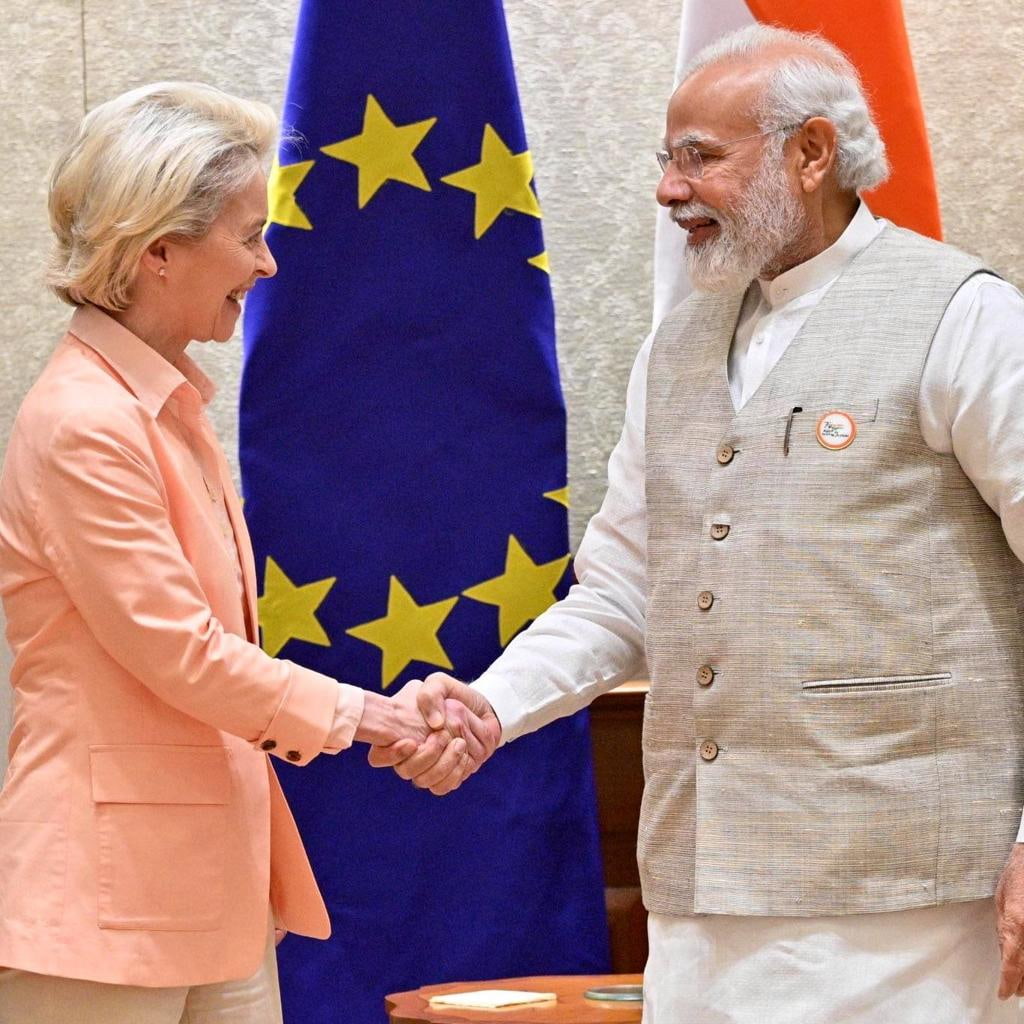
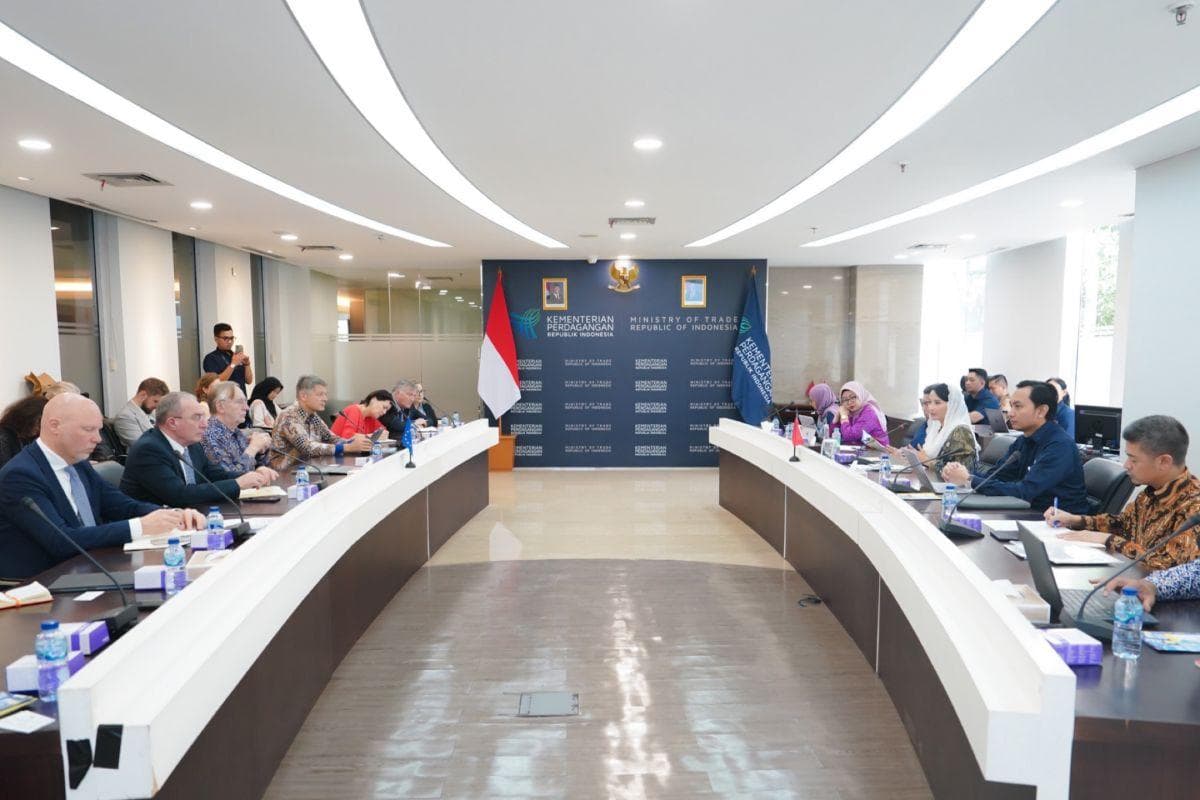
Jakarta: After nearly a decade of stop-start bargaining, the European Union and Indonesia have pushed their Indonesia trade pact to the edge of signature, and both capitals now treat the finish line as a test of whether Europe can still close big deals in Asia. The Comprehensive Economic Partnership Agreement, known as the IEU-CEPA, would bind the world’s fourth most populous nation to the single market on terms neither side could have reached even two years ago.

Negotiators wrapped up talks in 2025, and in June 2026 the European Commission handed the text to the Council for signature and conclusion. Jakarta and Brussels now aim for a formal signing in the final quarter of the year, with ratification stretching into 2027.

The commercial stakes explain the urgency. The agreement would strip duties from roughly 98.5 percent of tariff lines, opening Indonesian markets to European machinery, chemicals and agri-food while easing entry for Indonesian textiles, footwear and processed goods into Europe.

For Brussels the prize is not only market access but raw materials. Indonesia holds the world’s largest nickel reserves, the metal that anchors most electric-vehicle batteries, and European industry wants a dependable supply that does not run through Beijing. A trade framework hands European firms a rulebook for investment that the two sides fought over for years at the World Trade Organization.

Jakarta reads the deal through a different lens. President Prabowo Subianto has courted the BRICS bloc and kept close ties with China, yet an agreement with a market of 450 million consumers gives Indonesia leverage and a hedge. Trade officials in Jakarta describe Europe as insurance against a world where tariffs from Washington and rivalries across Asia keep multiplying.

The old sticking points have not vanished. Europe’s deforestation rules still unsettle Indonesian palm-oil exporters, who cast the regulation as a barrier dressed up as environmental policy. Brussels, for its part, wants firm commitments on labour standards and sustainable sourcing before parliaments sign off.

What has changed is the political weather. Both sides now frame open trade as a matter of security rather than commerce alone, and that reframing has done more to unlock the text than any tariff schedule. The Commission bundled the deal with an investment protection agreement, signalling that it wants European capital to follow the tariff cuts into Indonesian ports, smelters and factories.

Ratification remains the hard part. The European Parliament must give its consent, national capitals will scrutinise the palm-oil and labour provisions, and Indonesia’s legislature runs its own timetable. A single reluctant chamber can stall the pact well into 2027.

Still, the direction looks set. If the signatures land this autumn, Europe will have converted a long diplomatic slog into its most consequential Asian trade opening since the deals with Japan and Vietnam, and it will have done so by treating Indonesia not as a peripheral market but as a strategic one.