Brussels: The European Union has become the humanitarian donor of last resort, and it is learning how uncomfortable that title can be.
The Commission has set an opening humanitarian budget of 1.9 billion euros for 2026, a figure it announced while roughly 239 million people worldwide need assistance. The arithmetic is brutal. The need has rarely been higher, and the money has rarely stretched thinner.
Part of the strain comes from Washington. The abrupt freeze on United States foreign assistance tore a hole in the global aid system that no single donor can patch. European officials have said plainly that the Union cannot fill the gap left by the collapse of American programmes, even as governments in Africa scramble to keep clinics and food pipelines running.
European capitals are hardly rushing to compensate. Several member states have trimmed their own development budgets, so Brussels now shoulders a heavier load with less support from the very governments that fund it. That mismatch pushes the Commission toward a difficult reform.
Officials have begun to rethink how aid is delivered, promising sharper prioritisation and a hunt for private capital. The logic is understandable, yet it carries risk. When a donor asks investors to help finance famine relief, it edges toward treating survival as a market, and the most desperate populations rarely offer a return that any investor would recognise.
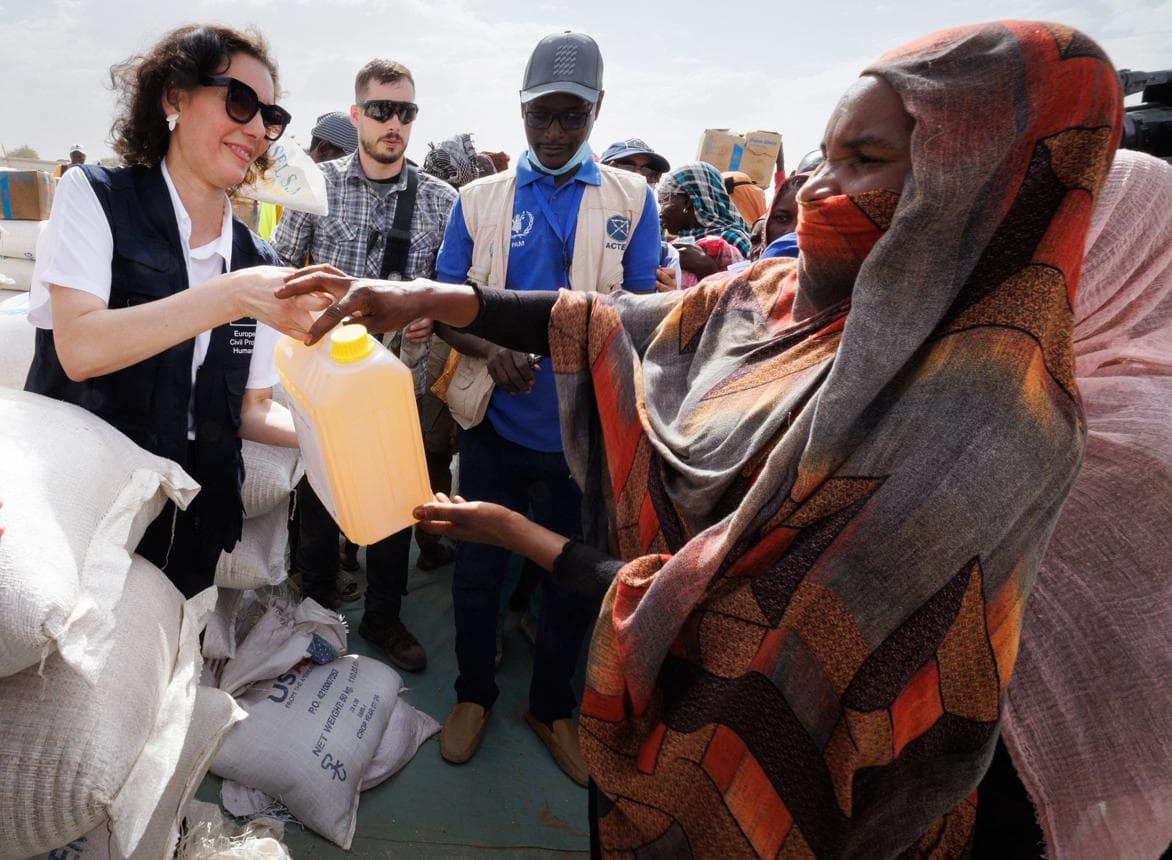
Sudan shows the stakes. The Commission calls it Europe’s main humanitarian priority in Africa, and at a conference in Berlin the Union and its member states pledged more than 811 million euros for the crisis, with the Commission itself committing some 360 million. That headline number sounds generous until it meets the scale of a war that has displaced millions and pushed regions toward famine.
Prioritisation, the polite word for triage, means the Commission must decide which emergencies command attention and which fade from the ledger. Sudan, Gaza and a handful of high-profile crises absorb the spotlight, while slower catastrophes in the Sahel and central Africa compete for whatever remains.
Europe frames its generosity as a matter of values, and the money is real. But leadership carries obligations that a shrinking budget cannot meet. If the Union wants to be the anchor of global relief, it must persuade its own members to stop cutting, resist the temptation to outsource conscience to financiers, and accept that the role it has inherited will cost far more than 1.9 billion euros a year. The alternative is a humanitarian order that Europe nominally leads but can no longer sustain.