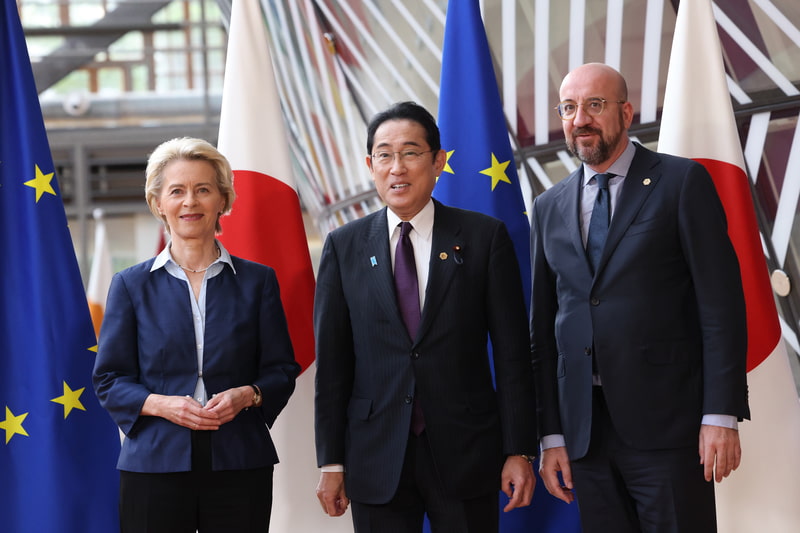
Tokyo: A decade ago the idea that the European Union and Japan would talk seriously about building weapons together would have sounded fanciful. Both were comfortable as civilian powers, content to let the United States carry the strategic load. That assumption is gone, and the structures replacing it are growing faster than most capitals have noticed.
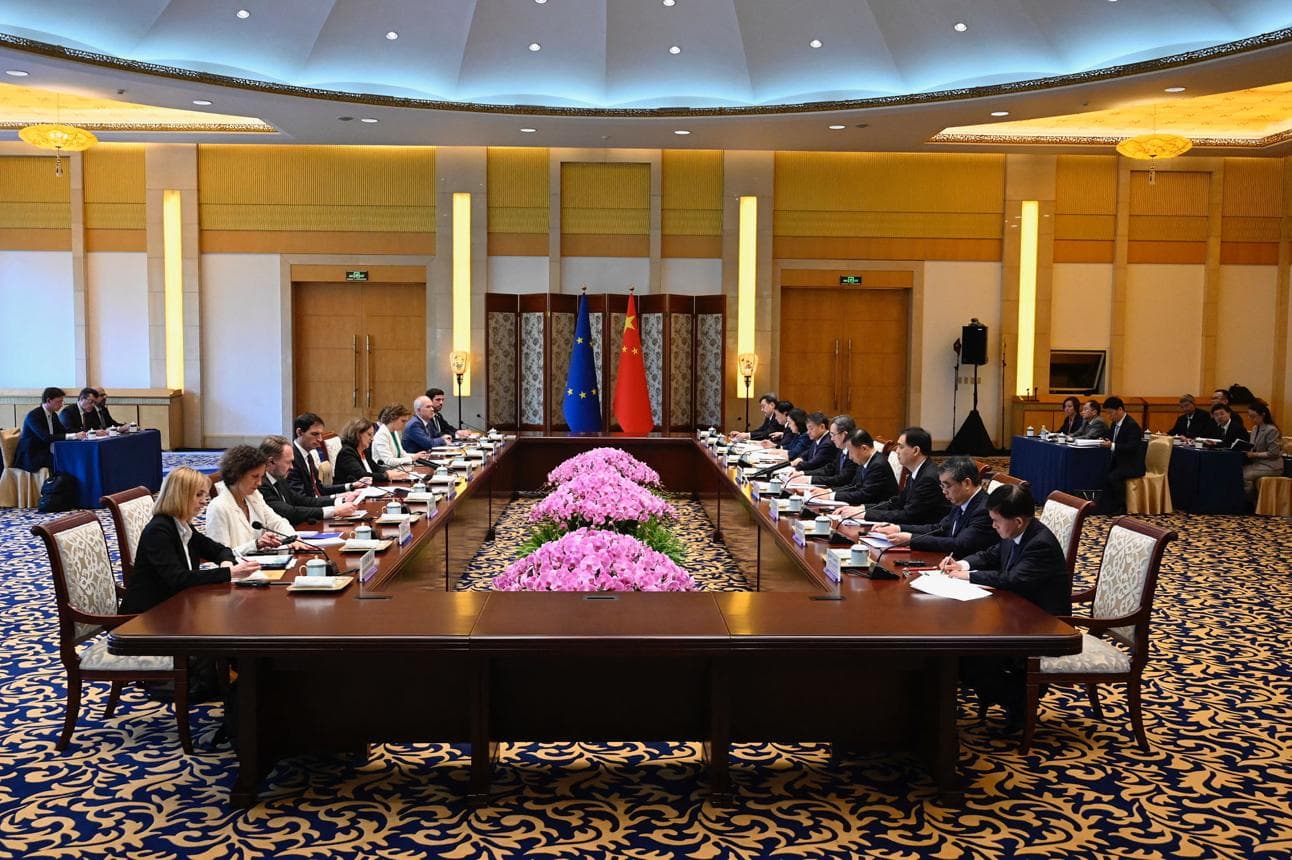
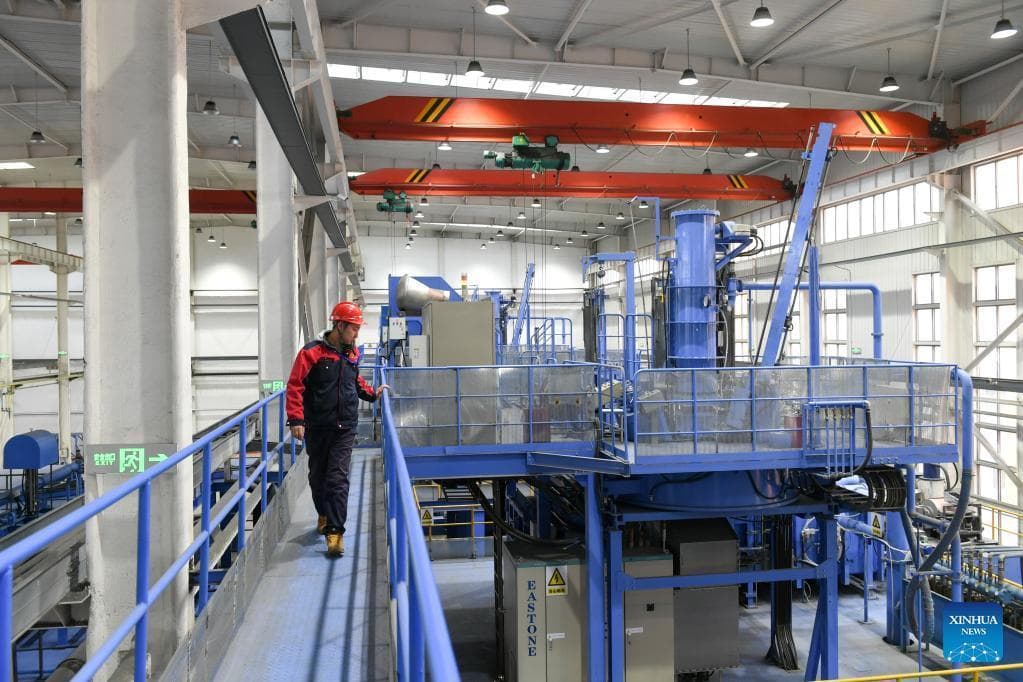
The EU-Japan Defence Industry Dialogue, launched at last summer’s Tokyo summit, is the clearest marker. It is a standing channel for cooperation on dual-use and advanced technologies, the kind of plumbing that turns warm declarations into joint projects. Around it sits a wider Competitiveness Alliance covering quantum research, cybersecurity, connectivity and supply chain resilience, plus a Critical Minerals and Rare Earths Partnership designed explicitly to loosen China’s grip on the materials that defence manufacturing cannot do without.
The most ambitious thread is in orbit. Brussels and Tokyo have agreed to explore a jointly developed satellite constellation, a project that, if realised, would give both partners secure communications independent of American commercial platforms. The strategic appeal is obvious. Europe watched the war in Ukraine demonstrate how dependence on a single private satellite operator can become a single point of failure, and Japan, ringed by capable rivals, has every reason to want sovereign eyes and channels in space.
This security turn was reinforced in June, when the two sides held their first dialogue on foreign information manipulation and interference. Treating disinformation as a shared defence problem rather than a domestic nuisance reflects a maturing view of what security now means. The threats that worry planners in Brussels and Tokyo are increasingly hybrid, blending cyber intrusion, economic coercion and narrative warfare, and they do not respect the old line between civilian and military.
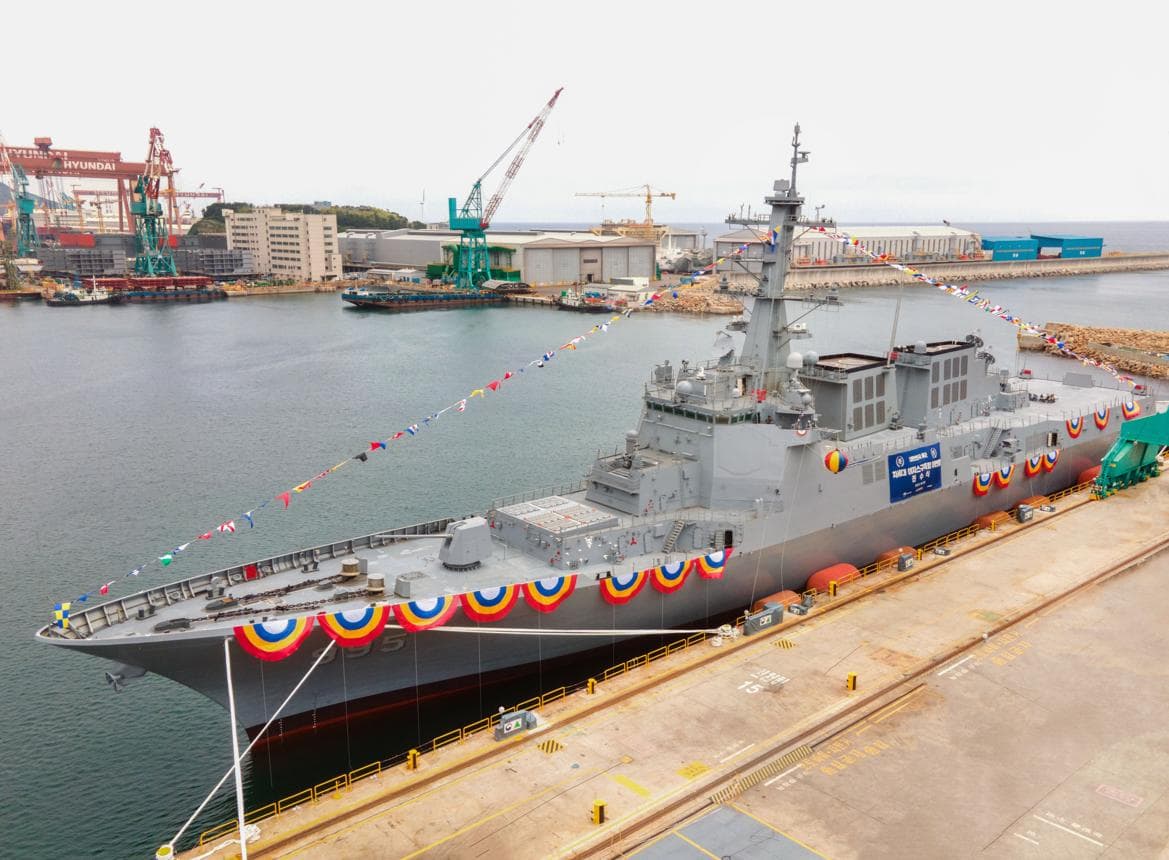
The harder question is how far this can go. The European Union is not a military alliance, and it cannot offer Japan the deterrent guarantee that a treaty ally provides. Its defence-industrial base is fragmented across member states with their own export rules and national champions, which makes genuinely joint procurement slow and politically fraught. Japan, for its part, only recently loosened decades-old constraints on arms exports, and its public remains wary of foreign entanglements. Grand frameworks can outrun the willingness to fund and staff them.
There is also the awkward presence in the room. Both partners are hedging against an American security posture they can no longer take for granted, yet neither can afford to be seen abandoning Washington. The result is cooperation that advances by careful increments, ambitious enough to matter but calibrated to avoid provoking either Beijing or Washington into a sharp reaction.
For now, the trajectory points one way. Each meeting adds a working group, each working group a project, and the accumulated weight is beginning to look like a genuine partnership rather than a diplomatic courtesy. Whether it becomes a pillar of Indo-Pacific stability or stalls as another well-intentioned dialogue will depend on money, political will and the discipline to choose a few projects and finish them. The satellite constellation is the test worth watching, because it is concrete, expensive and impossible to fake.