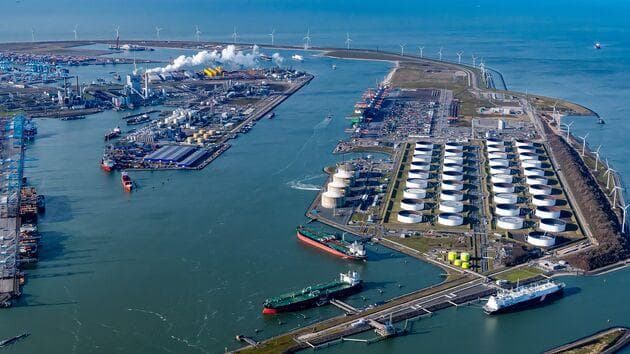
Rotterdam: Through the tanker berths and pipeline manifolds of Europe’s busiest energy port flows a large share of the gas, oil and coal that the European Union is now trying to scrub of one of its most potent climate pollutants. Methane, the main component of natural gas, traps far more heat than carbon dioxide over its first decades in the atmosphere, and the bloc’s Methane Regulation for the energy sector was meant to force producers and importers to find and fix the leaks. Halfway through 2026, the rulebook is advancing on paper but faltering on enforcement.
The regulation entered into force in August 2024 and is being switched on in stages. A prohibition on routine flaring and venting, the deliberate burning or release of gas at wells and facilities, became applicable from 5 February. Operators of closed underground coal mines must begin measuring methane from 5 May, and annual source-level reporting of emissions starts from 5 August. The Commission is also due this year to stand up a methane transparency database, a satellite-based monitoring tool and a rapid reaction mechanism to flag large emitting events as they happen.
The sharpest test, though, is the part of the law aimed beyond Europe’s borders. Because the bloc imports the overwhelming majority of the fossil fuel it burns, the regulation reaches emissions that occur outside the Union, requiring importers of crude oil, gas and coal to document the monitoring, reporting and verification practices of their overseas suppliers. It stops short of banning dirty imports, betting instead that transparency and the threat of penalties will push exporters in the United States, north Africa and central Asia to clean up.
That bet depends on penalties that actually exist. The law tells member states to impose sanctions that are effective, proportionate and dissuasive, including fines that can reach up to 20 percent of annual turnover and strip away any profit from breaking the rules. Yet as of June, only Denmark has put in place a penalty regime that fully complies. Hungary, Croatia and Slovakia have adopted regimes that fall short, and most other capitals have yet to legislate at all. Without credible fines on the books, the obligations on flaring, monitoring and import scrutiny risk becoming aspirations rather than commands.
The gap matters for a port like Rotterdam, where importers will be among the first to feel the documentary burden of the import rules even as the enforcement framework around them remains patchy. Industry groups argue the timetable is unrealistic and that the import provisions need clearer guidance before they can be met. Environmental analysts counter that the phased fines are mild by design and pose no threat to energy security, and that the bigger danger is a regulation that arrives with ambition but no teeth. The coming months, as reporting deadlines fall due, will reveal which reading is right.