August 9, 2026
LATEST
New EU Gas Market Rules Take Effect With Consumer SafeguardsDeforestation Regulation Holds Its December Deadline Despite CutsDigital Omnibus Delays Europe’s High-Risk AI Deadline to 2027Europe’s Schools Confront a Widening Basic Skills GapRule of Law Report Finds Progress but Trust Still LagsIRIS2 Gains 66 Satellites as Brussels Signs the Rollout DealNature Restoration Plans Come Due as Member States Race a DeadlineECB Rates Hold at 2.25 Percent as Frankfurt Waits on the DataEU Budget Talks Turn to Cohesion as Ireland Takes OverWildfire Response Stretches Europe’s Emergency Fleet ThinCan Europe’s Quantum Plan Match Its Big Ambitions?Armenia Edges West as Moscow’s Grip Slips AwayEurope Inherits the World’s Aid Bill It Cannot Fully PayAir Passenger Rights Get Their First Overhaul in Two DecadesErasmus Opens a 5 Billion Euro Round for Skills and MobilityCeuta Crisis Pushes the EU Toward Faster Migrant ReturnsBulky Parcels Face a Packaging Crackdown From August 12Can Europe Build Its Drone Wall Before 2030 Arrives?Indonesia’s Trade Deal With Europe Nears Its Final SignatureEurope Leans on Beijing to Keep Climate Talks Alive Before AntalyaNew EU Gas Market Rules Take Effect With Consumer SafeguardsDeforestation Regulation Holds Its December Deadline Despite CutsDigital Omnibus Delays Europe’s High-Risk AI Deadline to 2027Europe’s Schools Confront a Widening Basic Skills GapRule of Law Report Finds Progress but Trust Still LagsIRIS2 Gains 66 Satellites as Brussels Signs the Rollout DealNature Restoration Plans Come Due as Member States Race a DeadlineECB Rates Hold at 2.25 Percent as Frankfurt Waits on the DataEU Budget Talks Turn to Cohesion as Ireland Takes OverWildfire Response Stretches Europe’s Emergency Fleet ThinCan Europe’s Quantum Plan Match Its Big Ambitions?Armenia Edges West as Moscow’s Grip Slips AwayEurope Inherits the World’s Aid Bill It Cannot Fully PayAir Passenger Rights Get Their First Overhaul in Two DecadesErasmus Opens a 5 Billion Euro Round for Skills and MobilityCeuta Crisis Pushes the EU Toward Faster Migrant ReturnsBulky Parcels Face a Packaging Crackdown From August 12Can Europe Build Its Drone Wall Before 2030 Arrives?Indonesia’s Trade Deal With Europe Nears Its Final SignatureEurope Leans on Beijing to Keep Climate Talks Alive Before Antalya
August 9, 2026
LATEST
New EU Gas Market Rules Take Effect With Consumer SafeguardsDeforestation Regulation Holds Its December Deadline Despite CutsDigital Omnibus Delays Europe’s High-Risk AI Deadline to 2027Europe’s Schools Confront a Widening Basic Skills GapRule of Law Report Finds Progress but Trust Still LagsIRIS2 Gains 66 Satellites as Brussels Signs the Rollout DealNature Restoration Plans Come Due as Member States Race a DeadlineECB Rates Hold at 2.25 Percent as Frankfurt Waits on the DataEU Budget Talks Turn to Cohesion as Ireland Takes OverWildfire Response Stretches Europe’s Emergency Fleet ThinCan Europe’s Quantum Plan Match Its Big Ambitions?Armenia Edges West as Moscow’s Grip Slips AwayEurope Inherits the World’s Aid Bill It Cannot Fully PayAir Passenger Rights Get Their First Overhaul in Two DecadesErasmus Opens a 5 Billion Euro Round for Skills and MobilityCeuta Crisis Pushes the EU Toward Faster Migrant ReturnsBulky Parcels Face a Packaging Crackdown From August 12Can Europe Build Its Drone Wall Before 2030 Arrives?Indonesia’s Trade Deal With Europe Nears Its Final SignatureEurope Leans on Beijing to Keep Climate Talks Alive Before AntalyaNew EU Gas Market Rules Take Effect With Consumer SafeguardsDeforestation Regulation Holds Its December Deadline Despite CutsDigital Omnibus Delays Europe’s High-Risk AI Deadline to 2027Europe’s Schools Confront a Widening Basic Skills GapRule of Law Report Finds Progress but Trust Still LagsIRIS2 Gains 66 Satellites as Brussels Signs the Rollout DealNature Restoration Plans Come Due as Member States Race a DeadlineECB Rates Hold at 2.25 Percent as Frankfurt Waits on the DataEU Budget Talks Turn to Cohesion as Ireland Takes OverWildfire Response Stretches Europe’s Emergency Fleet ThinCan Europe’s Quantum Plan Match Its Big Ambitions?Armenia Edges West as Moscow’s Grip Slips AwayEurope Inherits the World’s Aid Bill It Cannot Fully PayAir Passenger Rights Get Their First Overhaul in Two DecadesErasmus Opens a 5 Billion Euro Round for Skills and MobilityCeuta Crisis Pushes the EU Toward Faster Migrant ReturnsBulky Parcels Face a Packaging Crackdown From August 12Can Europe Build Its Drone Wall Before 2030 Arrives?Indonesia’s Trade Deal With Europe Nears Its Final SignatureEurope Leans on Beijing to Keep Climate Talks Alive Before Antalya

Defence Cash Starts Flowing as Europe Opens First Joint Calls

Brussels: The European Union’s most ambitious attempt to rebuild its defence industrial base is moving from legislation to money, as the first calls for proposals open under the European Defence Industry Programme. Backed by 1.5 billion euros in grants over 2025 to 2027, the programme is the bloc’s effort to convert years of warnings about thin stockpiles and fragmented procurement into actual production lines, and the opening of its tender process marks the point at which companies and governments can begin to claim the funds.

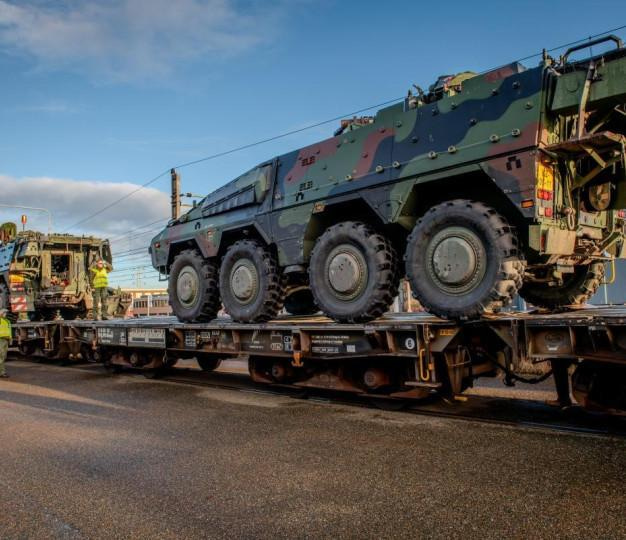
The programme, known by its initials EDIP, is structured to address several weaknesses at once. Roughly 240 million euros is earmarked to support member states and Norway in buying defence equipment together, in categories such as counter-drone systems, air and missile defence, and ground and naval combat platforms. Joint procurement is the part European officials return to most often, because the bloc’s habit of buying in small national batches has long driven up costs and left armies fielding incompatible kit. Pooling orders promises better prices and interoperability, though it also requires governments to surrender a measure of control they have historically guarded.

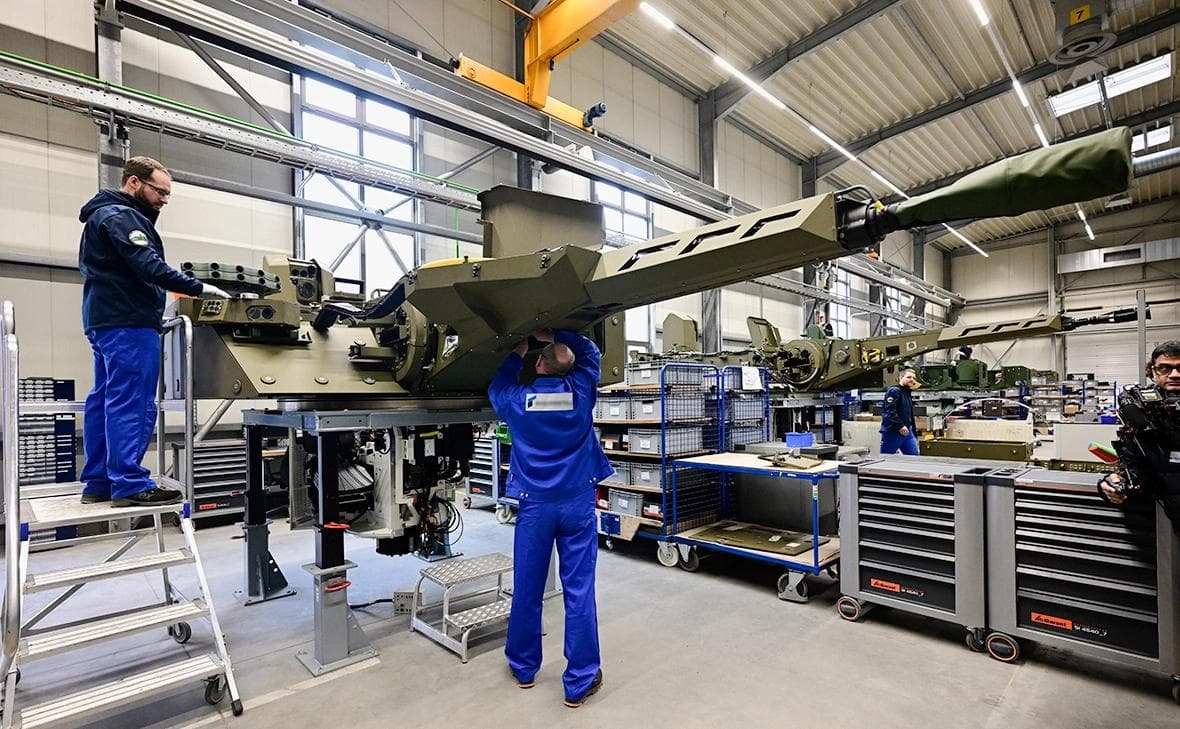
A further 325 million euros is set aside for what the programme calls European Defence Projects of Common Interest, cross-border ventures meant to build shared capabilities that no single state would fund alone. The largest single component, more than 700 million euros, goes to ramping up production capacity, the unglamorous work of expanding factories, securing supply chains and ensuring that Europe can manufacture artillery shells, missiles and components at the rate a sustained crisis would demand. The war in Ukraine exposed how quickly Western stockpiles could be drawn down and how slowly industry could replace them, and this strand is the direct answer to that lesson.

Ukraine itself is woven into the design. Around 300 million euros is dedicated to supporting the country’s own defence industry, reflecting a strategic bet that a strong Ukrainian arms sector serves European security and that integrating it with the bloc’s industrial base is worth the investment. The approach treats Kyiv less as a recipient of finished weapons and more as a partner in production, a shift with implications that extend well beyond the current conflict.

EDIP is modest in scale against the hundreds of billions that genuine rearmament would require, and officials are candid that it is a first instrument rather than a finished architecture. Its significance lies in establishing mechanisms, the joint-procurement frameworks, the common-project structures and the production incentives, that larger future budgets could flow through. The opening of the first calls is therefore a test of plumbing as much as firepower, a chance to see whether governments and manufacturers will actually use the channels the EU has built.

Much now depends on uptake. Grant programmes can disappoint if member states default to familiar national suppliers or if bureaucratic friction slows disbursement. Defence ministries will be weighing whether the incentives are strong enough to change entrenched buying habits, and the coming months of applications will reveal whether Europe’s pledge to spend together is matched by the will to act on it.