August 9, 2026
LATEST
New EU Gas Market Rules Take Effect With Consumer SafeguardsDeforestation Regulation Holds Its December Deadline Despite CutsDigital Omnibus Delays Europe’s High-Risk AI Deadline to 2027Europe’s Schools Confront a Widening Basic Skills GapRule of Law Report Finds Progress but Trust Still LagsIRIS2 Gains 66 Satellites as Brussels Signs the Rollout DealNature Restoration Plans Come Due as Member States Race a DeadlineECB Rates Hold at 2.25 Percent as Frankfurt Waits on the DataEU Budget Talks Turn to Cohesion as Ireland Takes OverWildfire Response Stretches Europe’s Emergency Fleet ThinCan Europe’s Quantum Plan Match Its Big Ambitions?Armenia Edges West as Moscow’s Grip Slips AwayEurope Inherits the World’s Aid Bill It Cannot Fully PayAir Passenger Rights Get Their First Overhaul in Two DecadesErasmus Opens a 5 Billion Euro Round for Skills and MobilityCeuta Crisis Pushes the EU Toward Faster Migrant ReturnsBulky Parcels Face a Packaging Crackdown From August 12Can Europe Build Its Drone Wall Before 2030 Arrives?Indonesia’s Trade Deal With Europe Nears Its Final SignatureEurope Leans on Beijing to Keep Climate Talks Alive Before AntalyaNew EU Gas Market Rules Take Effect With Consumer SafeguardsDeforestation Regulation Holds Its December Deadline Despite CutsDigital Omnibus Delays Europe’s High-Risk AI Deadline to 2027Europe’s Schools Confront a Widening Basic Skills GapRule of Law Report Finds Progress but Trust Still LagsIRIS2 Gains 66 Satellites as Brussels Signs the Rollout DealNature Restoration Plans Come Due as Member States Race a DeadlineECB Rates Hold at 2.25 Percent as Frankfurt Waits on the DataEU Budget Talks Turn to Cohesion as Ireland Takes OverWildfire Response Stretches Europe’s Emergency Fleet ThinCan Europe’s Quantum Plan Match Its Big Ambitions?Armenia Edges West as Moscow’s Grip Slips AwayEurope Inherits the World’s Aid Bill It Cannot Fully PayAir Passenger Rights Get Their First Overhaul in Two DecadesErasmus Opens a 5 Billion Euro Round for Skills and MobilityCeuta Crisis Pushes the EU Toward Faster Migrant ReturnsBulky Parcels Face a Packaging Crackdown From August 12Can Europe Build Its Drone Wall Before 2030 Arrives?Indonesia’s Trade Deal With Europe Nears Its Final SignatureEurope Leans on Beijing to Keep Climate Talks Alive Before Antalya
August 9, 2026
LATEST
New EU Gas Market Rules Take Effect With Consumer SafeguardsDeforestation Regulation Holds Its December Deadline Despite CutsDigital Omnibus Delays Europe’s High-Risk AI Deadline to 2027Europe’s Schools Confront a Widening Basic Skills GapRule of Law Report Finds Progress but Trust Still LagsIRIS2 Gains 66 Satellites as Brussels Signs the Rollout DealNature Restoration Plans Come Due as Member States Race a DeadlineECB Rates Hold at 2.25 Percent as Frankfurt Waits on the DataEU Budget Talks Turn to Cohesion as Ireland Takes OverWildfire Response Stretches Europe’s Emergency Fleet ThinCan Europe’s Quantum Plan Match Its Big Ambitions?Armenia Edges West as Moscow’s Grip Slips AwayEurope Inherits the World’s Aid Bill It Cannot Fully PayAir Passenger Rights Get Their First Overhaul in Two DecadesErasmus Opens a 5 Billion Euro Round for Skills and MobilityCeuta Crisis Pushes the EU Toward Faster Migrant ReturnsBulky Parcels Face a Packaging Crackdown From August 12Can Europe Build Its Drone Wall Before 2030 Arrives?Indonesia’s Trade Deal With Europe Nears Its Final SignatureEurope Leans on Beijing to Keep Climate Talks Alive Before AntalyaNew EU Gas Market Rules Take Effect With Consumer SafeguardsDeforestation Regulation Holds Its December Deadline Despite CutsDigital Omnibus Delays Europe’s High-Risk AI Deadline to 2027Europe’s Schools Confront a Widening Basic Skills GapRule of Law Report Finds Progress but Trust Still LagsIRIS2 Gains 66 Satellites as Brussels Signs the Rollout DealNature Restoration Plans Come Due as Member States Race a DeadlineECB Rates Hold at 2.25 Percent as Frankfurt Waits on the DataEU Budget Talks Turn to Cohesion as Ireland Takes OverWildfire Response Stretches Europe’s Emergency Fleet ThinCan Europe’s Quantum Plan Match Its Big Ambitions?Armenia Edges West as Moscow’s Grip Slips AwayEurope Inherits the World’s Aid Bill It Cannot Fully PayAir Passenger Rights Get Their First Overhaul in Two DecadesErasmus Opens a 5 Billion Euro Round for Skills and MobilityCeuta Crisis Pushes the EU Toward Faster Migrant ReturnsBulky Parcels Face a Packaging Crackdown From August 12Can Europe Build Its Drone Wall Before 2030 Arrives?Indonesia’s Trade Deal With Europe Nears Its Final SignatureEurope Leans on Beijing to Keep Climate Talks Alive Before Antalya

Civic Watchdogs Compete for a Fresh Round of EU Values Funding

Budapest: In a city that has become shorthand for Europe’s long argument over the rule of law, the organisations that monitor courts, defend minorities and run civic education programmes are turning their attention to a less visible lifeline: the bloc’s funding stream for civil society. The Citizens, Equality, Rights and Values programme has opened its 2026 calls for proposals, putting hundreds of millions of euros within reach of groups that often struggle to find money at home.

The programme exists to support what the EU treaties call open, rights-based and democratic societies, channelling grants to civil-society organisations active at local, national and cross-border level. For 2026 its budget runs to roughly 235 million euros, spread across a dozen calls that the executive agency overseeing the scheme published in December and routed through the Union’s central funding portal.

The money is divided into strands that reveal the programme’s priorities. One pot of around 27 million euros targets gender equality, anti-discrimination, the inclusion of Roma communities, children’s rights and data protection. A larger envelope of about 76 million euros supports town twinning, networks of municipalities, civic participation and European remembrance, the softer infrastructure of a shared civic identity. Other calls fund organisations working directly to uphold the rights enshrined in the bloc’s Charter of Fundamental Rights.

The funding terms are designed to lower the barrier for small applicants. Grants typically cover ninety percent of a project’s cost and are increasingly paid as lump sums, sparing under-resourced groups the heavy administrative burden of itemised reporting that has deterred many from applying in the past. For organisations operating on shoestring budgets, that simplification can be the difference between bidding and staying out.

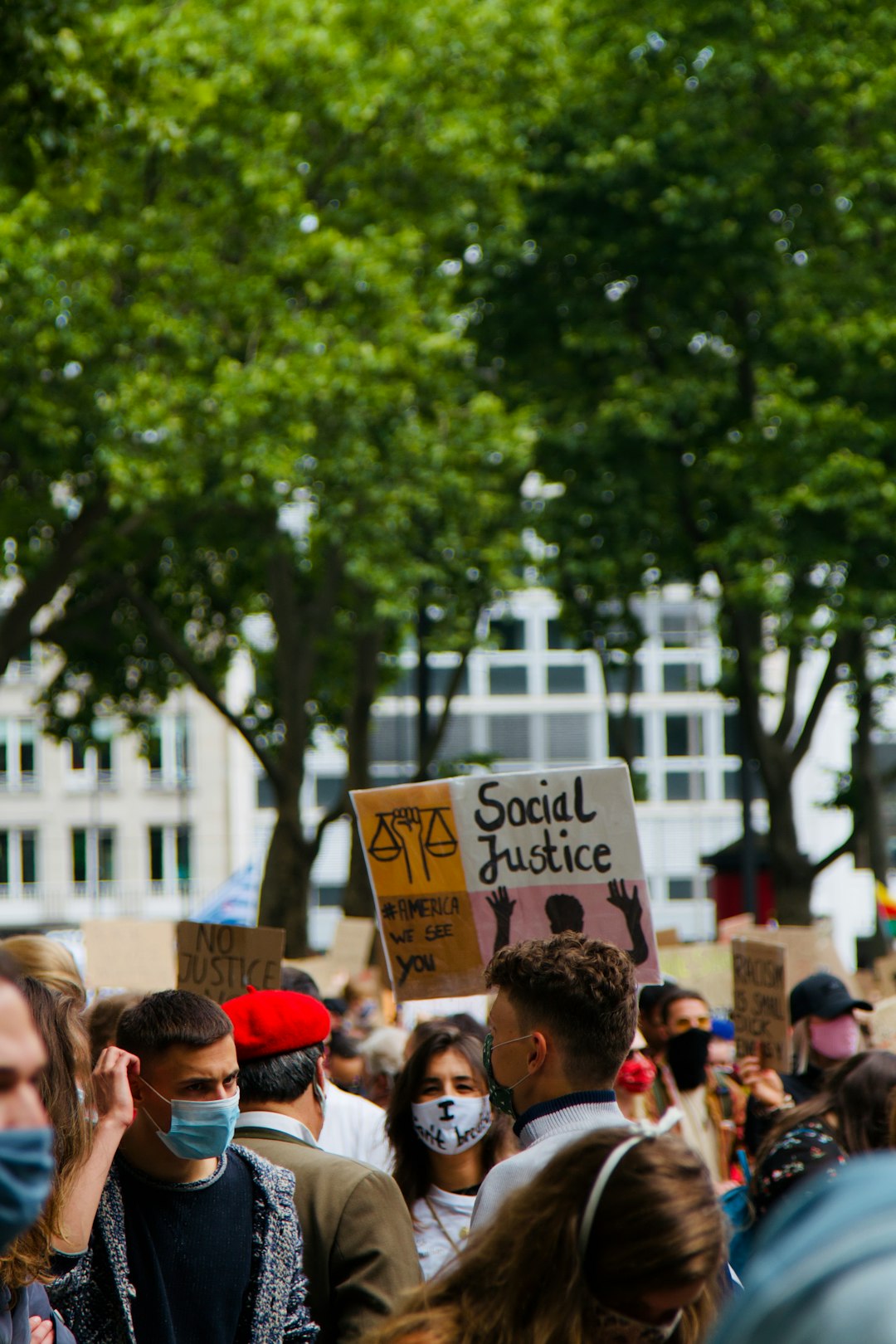
The political subtext is impossible to ignore. In several member states, civil-society groups that scrutinise governments have found domestic funding curtailed and their independence questioned, and for some the European money has become a rare source of support insulated from national pressure. That has made the programme a flashpoint in the broader struggle over democratic backsliding, with critics in some capitals portraying EU-funded watchdogs as foreign-influenced and defenders casting the grants as a guarantee of pluralism where it is most under strain.

The scheme is not without its own tensions. Distributing money to advocacy groups inevitably raises questions about neutrality, and governments on the receiving end of criticism have argued that the bloc is bankrolling its political opponents. The Commission counters that the funding flows to rights and values rather than to any partisan cause, and that the calls are open to any eligible organisation that meets the criteria.

For the watchdogs themselves, the immediate task is more practical than philosophical: assembling partnerships, drafting applications and meeting deadlines on the funding portal. The grants will not resolve the deeper arguments about the rule of law that play out in capitals and courtrooms. But for the groups doing the everyday work of monitoring power, a fresh round of European money offers something increasingly scarce, a measure of independence from the governments they exist to hold to account.