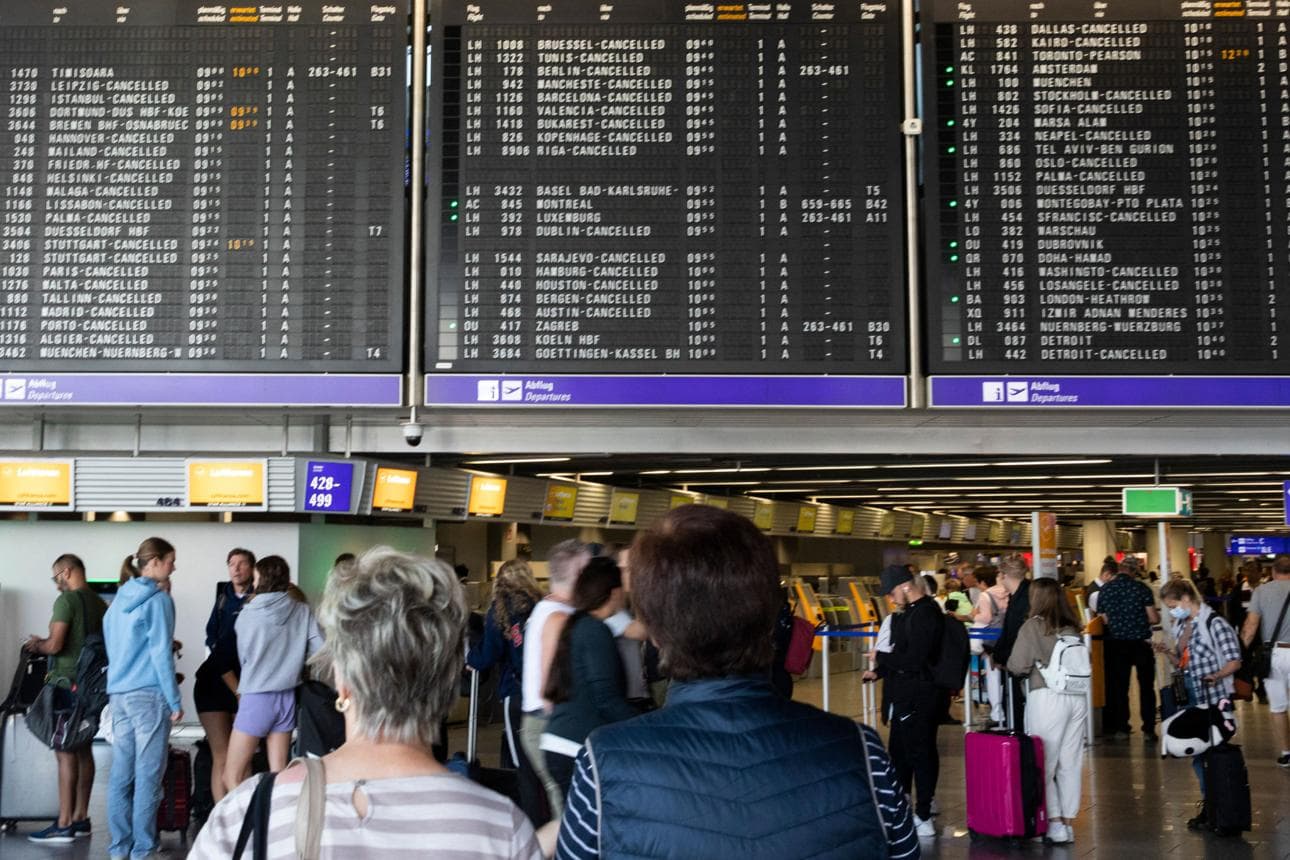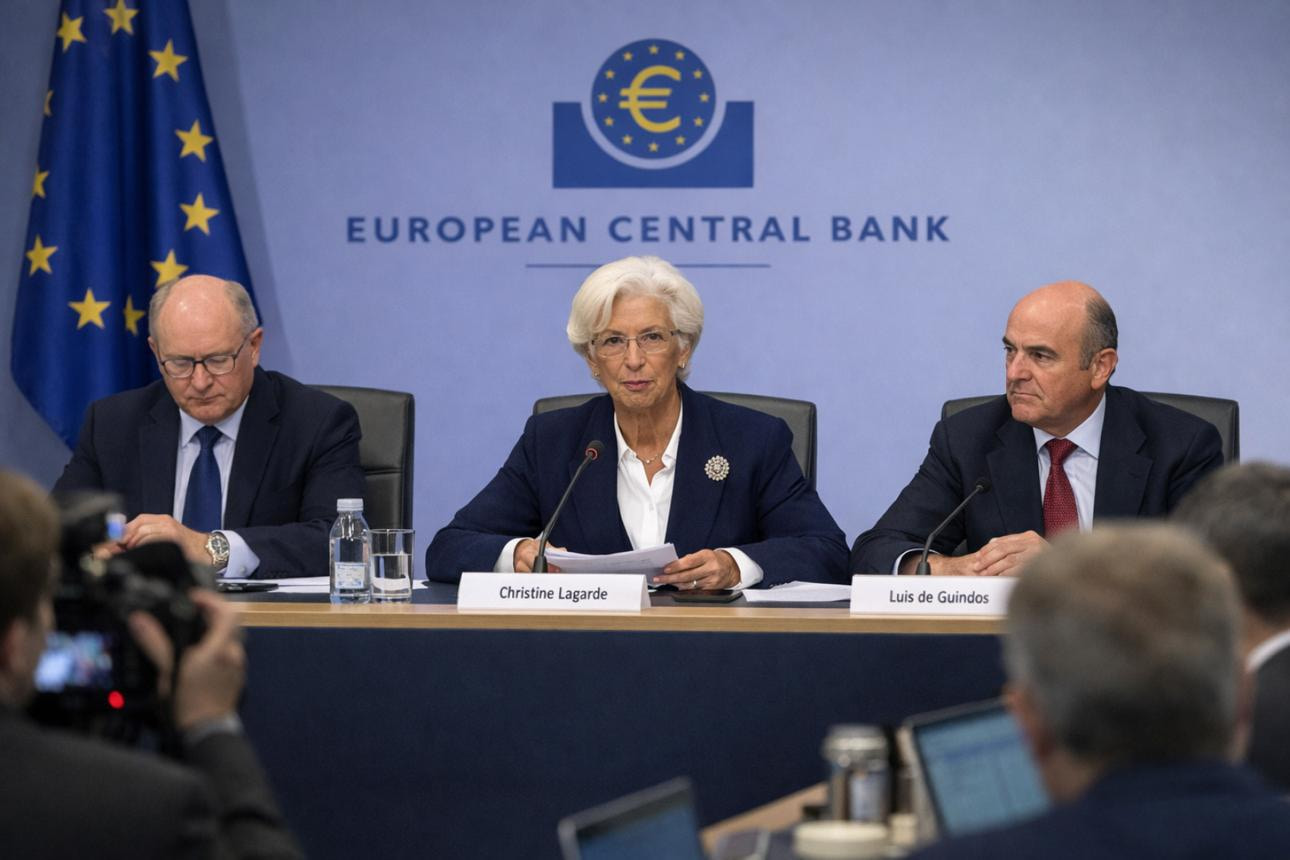
Strasbourg: Travellers who have spent a delayed evening sleeping on terminal floors may finally see the rules tilt in their favour, after the European Parliament and the Council struck a political agreement on the first overhaul of the bloc’s air passenger rights in more than two decades. The deal, reached on 15 June, was quickly followed by a separate accord on 26 June to tighten enforcement of passenger protections across every mode of transport, signalling a broader push to make stated rights actually work in practice.
At the core of the air agreement is a stronger right to be moved onward when a flight collapses. Carriers must now offer an alternative within three hours, and crucially that alternative can run beyond their own network, drawing on rival airlines or even other transport modes, all at the airline’s expense and under comparable conditions. Where a carrier fails to arrange this, passengers may book their own replacement journey and claim back up to four times the original ticket price, a provision designed to make inaction expensive rather than convenient.
The assistance obligations have been firmed up too. When an overnight stay becomes unavoidable, passengers are entitled to a hotel at no cost, along with free transfers between the airport and their accommodation. If the airline does not provide that care, the traveller can make their own arrangements and seek reimbursement. These are not entirely new ideas, but the revision is meant to close the gap between rights that exist on paper and the help that materialises at the gate.
The multimodal dimension is where the reform reaches furthest. For years, a missed connection on a journey stitched together from separate operators left passengers in a no-man’s-land of finger-pointing. Under the agreed framework, someone holding a single ticket for a multi-operator rail trip who misses a connection will benefit from full protection, including assistance, rerouting, reimbursement and compensation. It dovetails with the Commission’s earlier move toward ‘one journey, one ticket’, an attempt to make booking a cross-border trip across trains and other modes as seamless as the marketing has long promised.
Not everyone is satisfied. Airlines have argued that the reform misses the mark on the core delay rules and adds cost without addressing competitiveness, warning that compensation thresholds and baggage provisions could prove burdensome. Consumer groups, for their part, will scrutinise the fine print on delay timings, since the threshold at which compensation kicks in determines how many disrupted travellers actually qualify. The negotiations nearly collapsed in mid-June over precisely these questions, a reminder that the headline agreement papers over real tensions.
The wider significance lies in enforcement. Rights that cannot be claimed without a lawyer or months of correspondence rarely change behaviour, and the 26 June accord on cross-modal enforcement is aimed squarely at that weakness. Whether national authorities are given the teeth and resources to police the new standards will decide if the reform reshapes how Europeans travel or simply restates promises that proved hard to honour.
The texts still require formal adoption by both institutions before they enter into force, and the phase-in will give carriers and operators time to adapt their systems. For now, the direction is clear: Brussels wants the burden of a disrupted journey to fall on the operator that caused it, not the passenger left waiting.