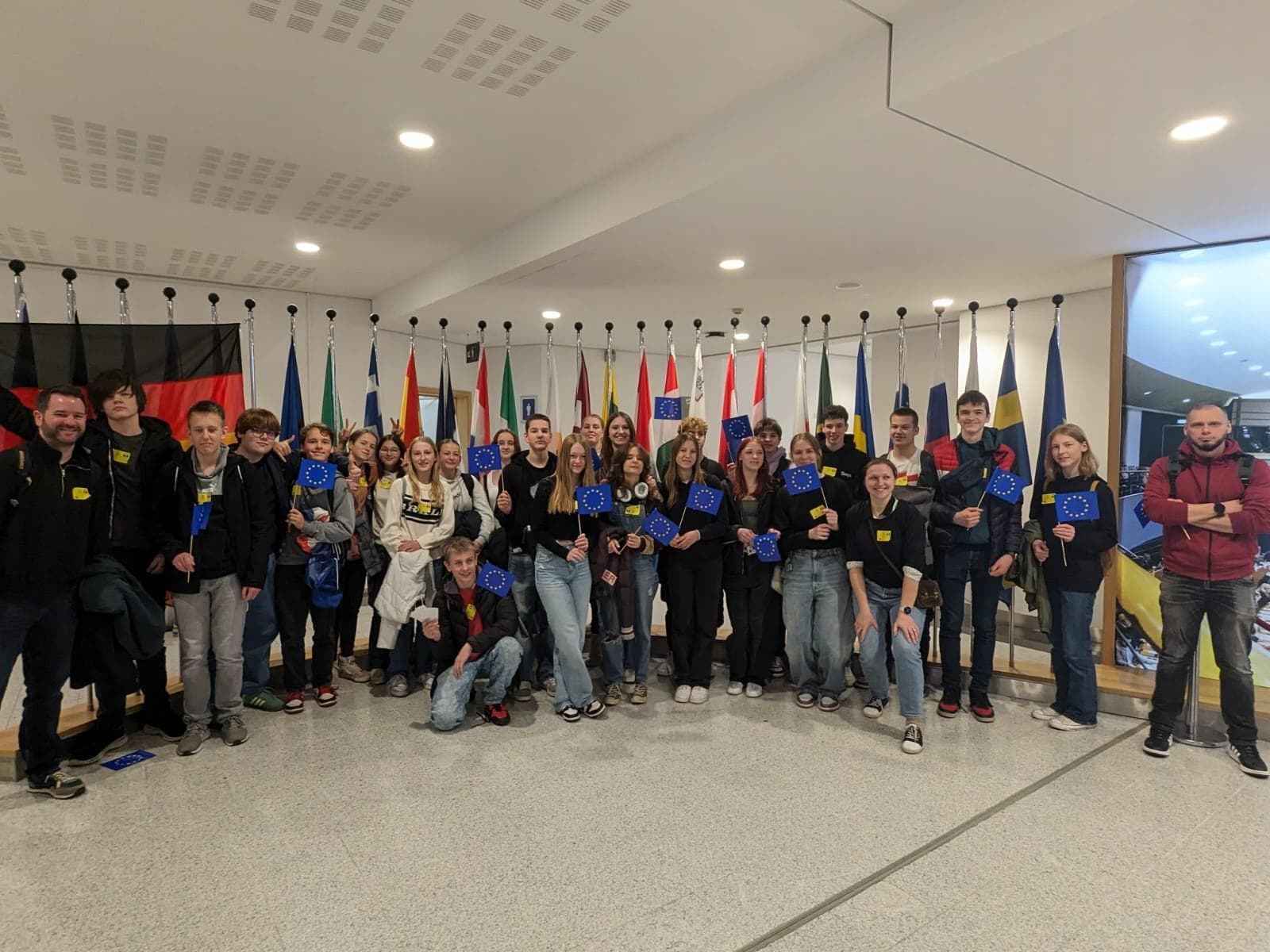
Europe’s flagship exchange programme is open for business again, and the headline number is larger than ever. The European Commission has launched the 2026 Erasmus+ call for proposals with roughly 5.2 billion euros on the table, the single biggest annual envelope in the programme’s history and a signal of where the bloc wants its money to go: into people, and specifically into skills.
The framing matters. Erasmus once meant, above all, a semester abroad for university students. The 2026 call positions it as the delivery vehicle for the Commission’s Union of Skills strategy, the drive to close Europe’s widening gaps in basic, digital, and green competencies. Officials expect around 1.275 million participants to take part in learning-mobility experiences through this call, drawing in more than 100,000 organisations, including universities, schools, vocational centres, companies, and youth and sport groups.
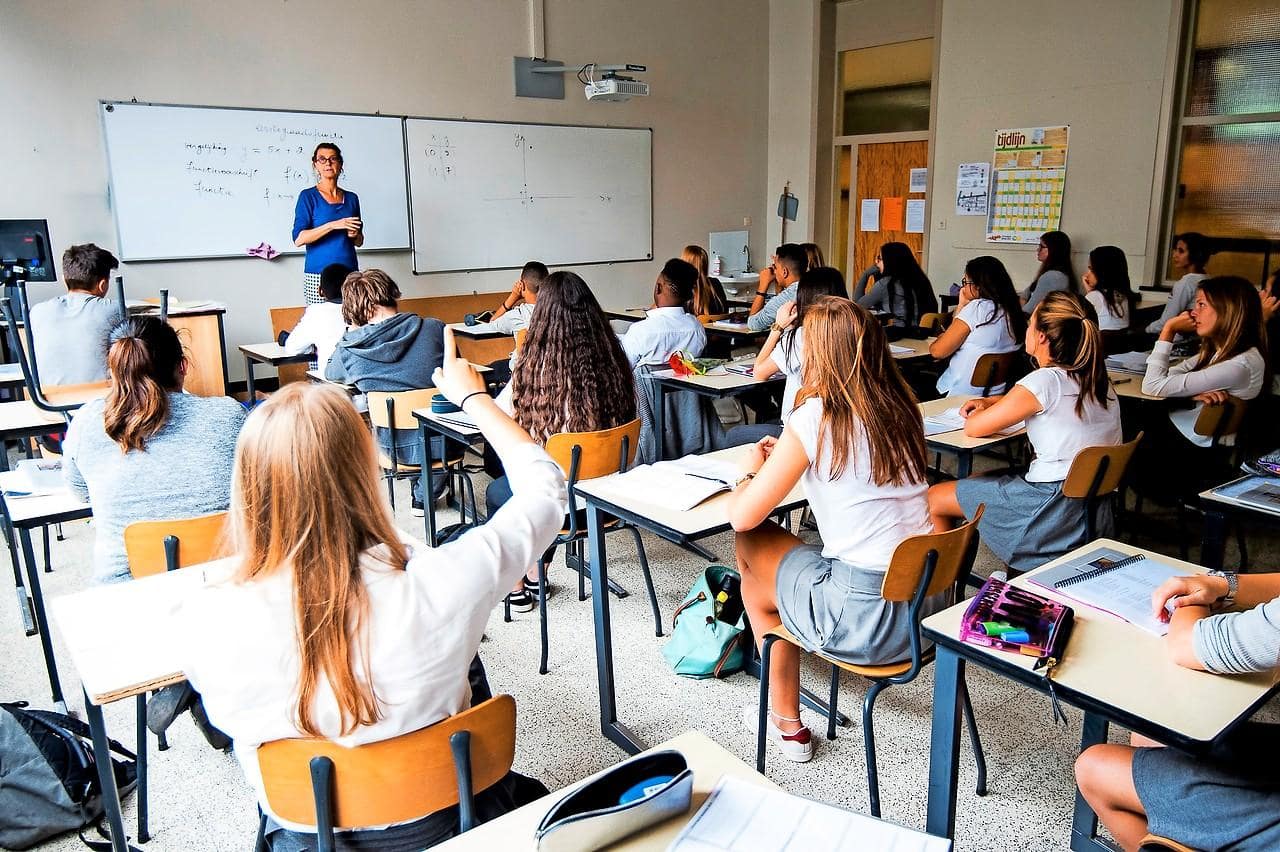
The most notable structural change sits in the school sector. A new action, called European partnerships for school development, invites organisations to test and scale innovative teaching methods aimed at building foundational skills. The Commission ties it explicitly to civic engagement and democratic participation, language that reflects a growing anxiety in Brussels about disinformation and declining trust among younger Europeans. Teaching children to read, count, and reason critically is being recast not merely as pedagogy but as democratic infrastructure.
That ambition is easier to announce than to measure. Erasmus+ has long excelled at funding mobility and counting participants; it has struggled to demonstrate that the experiences durably lift skills or shift outcomes for the people who need them most. Inclusion has been a stated priority for years, yet take-up still skews toward students and institutions already well resourced enough to navigate the application process. A school in a wealthy suburb is better placed to win a grant than one in a struggling region, and the programme’s effect on equity depends on closing exactly that gap.
The budget headline also deserves a caveat. Spread across the entire bloc and dozens of sectors, 5.2 billion euros funds breadth more than depth. Per participant, the sums are modest, and the programme’s real leverage comes from co-financing and from the networks it builds rather than from the cash alone. Whether European partnerships for school development becomes a lasting fixture or a single-cycle experiment will hinge on uptake and on the next multiannual budget negotiations, where education perennially competes with agriculture, defence, and cohesion for a finite pot.
For applicants, the practical message is straightforward: the call is open, the priorities are skills, inclusion, the green and digital transitions, and civic values, and the deadlines arrive over the coming months. For the bloc, the bet is more strategic. Facing labour shortages, an ageing workforce, and competition from the United States and China for talent, Europe is wagering that a better-skilled population is its most durable form of economic security. Erasmus+, once a cultural rite of passage, is being asked to carry a far heavier economic load, and 5.2 billion euros is the size of that wager for a single year.