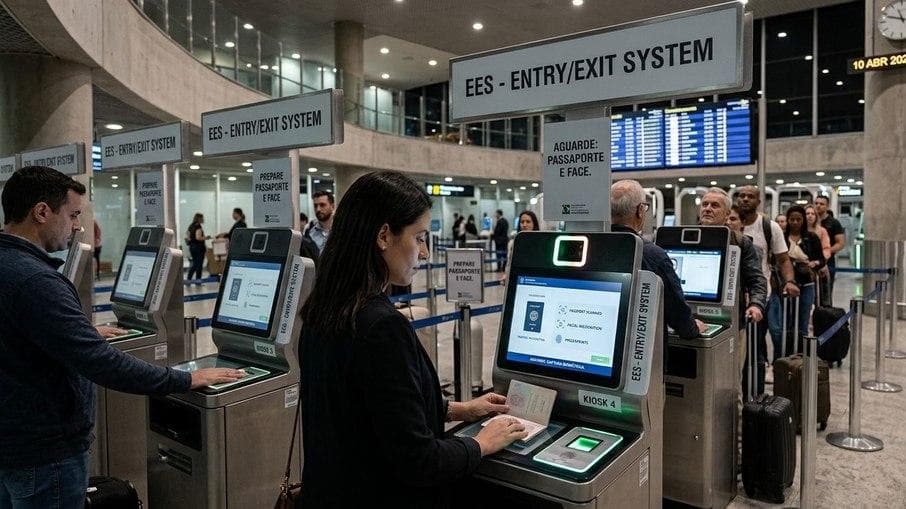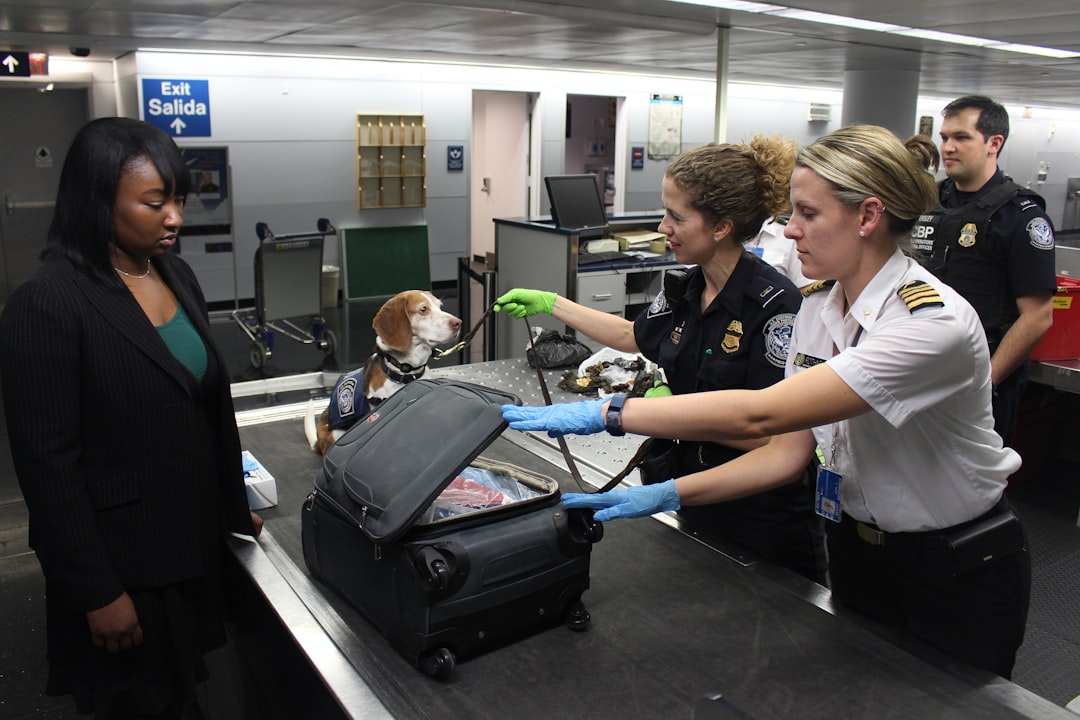
Lille: The European customs union turns matters of trade into matters of trust. Goods cleared at one external border move freely across twenty-seven countries, which means a weak checkpoint anywhere becomes a weakness everywhere. For decades that system has run on twenty-seven separate national IT setups stitched loosely together, a patchwork that smugglers and fraudsters have learned to exploit. The most ambitious reform of the customs union since its creation in 1968 is now moving from political agreement toward concrete machinery, and the first bricks are being laid in this northern French city.
Lille will host the new EU Customs Authority, a decentralised agency of roughly 285 staff charged with making sense of the torrent of data that crosses Europe’s frontiers. Its core job is to oversee a single EU Customs Data Hub, a central engine that will gradually replace the national systems now running in parallel. The promise is twofold. Member states could save up to two billion euro a year in operating costs by retiring duplicate infrastructure, and analysts working from one continuous stream of import and export data could spot the riskiest cargo far faster than today’s fragmented arrangements allow.
The reform responds to a problem that has grown impossible to ignore. The explosion of low-value e-commerce parcels, many shipped directly from outside the Union, has overwhelmed a system designed for containers and pallets. Undervalued declarations, mislabelled contents and exploited duty exemptions cost the Union real revenue and let unsafe or non-compliant products onto the market. By pooling data and setting common risk criteria, the new authority is meant to let national customs officers concentrate their physical inspections where they matter most rather than waving through a flood they cannot possibly check.
There are reasons for caution. Grand EU IT projects have a history of arriving late and over budget, and asking twenty-seven administrations to fold their systems into a shared hub is exactly the kind of undertaking that tests deadlines. National customs services guard their autonomy and their data, and the transition will stretch over years, with the heaviest obligations phased in well into the next decade. The authority will coordinate and analyse, but enforcement still rests with member states, so the reform succeeds only if capitals actually act on the intelligence it produces.
The e-commerce dimension also carries a political charge. Tightening declarations and closing exemptions will raise costs for the cross-border online shopping that consumers have come to expect, and someone will pay. Retailers warn of friction, while domestic producers who have long complained of being undercut by lightly taxed imports will welcome a firmer hand at the border.
For now, the significance is symbolic as much as operational. A union that has shared a customs territory for more than half a century is finally building a shared brain to run it. Whether that brain proves nimble or unwieldy will depend on execution, and on the patience of the governments footing the bill.