August 9, 2026
LATEST
New EU Gas Market Rules Take Effect With Consumer SafeguardsDeforestation Regulation Holds Its December Deadline Despite CutsDigital Omnibus Delays Europe’s High-Risk AI Deadline to 2027Europe’s Schools Confront a Widening Basic Skills GapRule of Law Report Finds Progress but Trust Still LagsIRIS2 Gains 66 Satellites as Brussels Signs the Rollout DealNature Restoration Plans Come Due as Member States Race a DeadlineECB Rates Hold at 2.25 Percent as Frankfurt Waits on the DataEU Budget Talks Turn to Cohesion as Ireland Takes OverWildfire Response Stretches Europe’s Emergency Fleet ThinCan Europe’s Quantum Plan Match Its Big Ambitions?Armenia Edges West as Moscow’s Grip Slips AwayEurope Inherits the World’s Aid Bill It Cannot Fully PayAir Passenger Rights Get Their First Overhaul in Two DecadesErasmus Opens a 5 Billion Euro Round for Skills and MobilityCeuta Crisis Pushes the EU Toward Faster Migrant ReturnsBulky Parcels Face a Packaging Crackdown From August 12Can Europe Build Its Drone Wall Before 2030 Arrives?Indonesia’s Trade Deal With Europe Nears Its Final SignatureEurope Leans on Beijing to Keep Climate Talks Alive Before AntalyaNew EU Gas Market Rules Take Effect With Consumer SafeguardsDeforestation Regulation Holds Its December Deadline Despite CutsDigital Omnibus Delays Europe’s High-Risk AI Deadline to 2027Europe’s Schools Confront a Widening Basic Skills GapRule of Law Report Finds Progress but Trust Still LagsIRIS2 Gains 66 Satellites as Brussels Signs the Rollout DealNature Restoration Plans Come Due as Member States Race a DeadlineECB Rates Hold at 2.25 Percent as Frankfurt Waits on the DataEU Budget Talks Turn to Cohesion as Ireland Takes OverWildfire Response Stretches Europe’s Emergency Fleet ThinCan Europe’s Quantum Plan Match Its Big Ambitions?Armenia Edges West as Moscow’s Grip Slips AwayEurope Inherits the World’s Aid Bill It Cannot Fully PayAir Passenger Rights Get Their First Overhaul in Two DecadesErasmus Opens a 5 Billion Euro Round for Skills and MobilityCeuta Crisis Pushes the EU Toward Faster Migrant ReturnsBulky Parcels Face a Packaging Crackdown From August 12Can Europe Build Its Drone Wall Before 2030 Arrives?Indonesia’s Trade Deal With Europe Nears Its Final SignatureEurope Leans on Beijing to Keep Climate Talks Alive Before Antalya
August 9, 2026
LATEST
New EU Gas Market Rules Take Effect With Consumer SafeguardsDeforestation Regulation Holds Its December Deadline Despite CutsDigital Omnibus Delays Europe’s High-Risk AI Deadline to 2027Europe’s Schools Confront a Widening Basic Skills GapRule of Law Report Finds Progress but Trust Still LagsIRIS2 Gains 66 Satellites as Brussels Signs the Rollout DealNature Restoration Plans Come Due as Member States Race a DeadlineECB Rates Hold at 2.25 Percent as Frankfurt Waits on the DataEU Budget Talks Turn to Cohesion as Ireland Takes OverWildfire Response Stretches Europe’s Emergency Fleet ThinCan Europe’s Quantum Plan Match Its Big Ambitions?Armenia Edges West as Moscow’s Grip Slips AwayEurope Inherits the World’s Aid Bill It Cannot Fully PayAir Passenger Rights Get Their First Overhaul in Two DecadesErasmus Opens a 5 Billion Euro Round for Skills and MobilityCeuta Crisis Pushes the EU Toward Faster Migrant ReturnsBulky Parcels Face a Packaging Crackdown From August 12Can Europe Build Its Drone Wall Before 2030 Arrives?Indonesia’s Trade Deal With Europe Nears Its Final SignatureEurope Leans on Beijing to Keep Climate Talks Alive Before AntalyaNew EU Gas Market Rules Take Effect With Consumer SafeguardsDeforestation Regulation Holds Its December Deadline Despite CutsDigital Omnibus Delays Europe’s High-Risk AI Deadline to 2027Europe’s Schools Confront a Widening Basic Skills GapRule of Law Report Finds Progress but Trust Still LagsIRIS2 Gains 66 Satellites as Brussels Signs the Rollout DealNature Restoration Plans Come Due as Member States Race a DeadlineECB Rates Hold at 2.25 Percent as Frankfurt Waits on the DataEU Budget Talks Turn to Cohesion as Ireland Takes OverWildfire Response Stretches Europe’s Emergency Fleet ThinCan Europe’s Quantum Plan Match Its Big Ambitions?Armenia Edges West as Moscow’s Grip Slips AwayEurope Inherits the World’s Aid Bill It Cannot Fully PayAir Passenger Rights Get Their First Overhaul in Two DecadesErasmus Opens a 5 Billion Euro Round for Skills and MobilityCeuta Crisis Pushes the EU Toward Faster Migrant ReturnsBulky Parcels Face a Packaging Crackdown From August 12Can Europe Build Its Drone Wall Before 2030 Arrives?Indonesia’s Trade Deal With Europe Nears Its Final SignatureEurope Leans on Beijing to Keep Climate Talks Alive Before Antalya

Recovery Fund Fraud Swells to €5 Billion as Prosecutors Circle

Luxembourg: The money meant to rebuild Europe after the pandemic is proving irresistible to the wrong kind of entrepreneur. By the close of last year the European Public Prosecutor’s Office had opened 512 active investigations tied to the Recovery and Resilience Facility, the €650 billion pot of grants and loans that was supposed to steer the continent toward a greener, more digital decade. Those cases touch nearly two thousand suspects and, on the prosecutors’ own estimate, roughly €5 billion in suspected damage. The figure is not a forecast of what might go wrong. It is a running tally of what investigators believe already has.

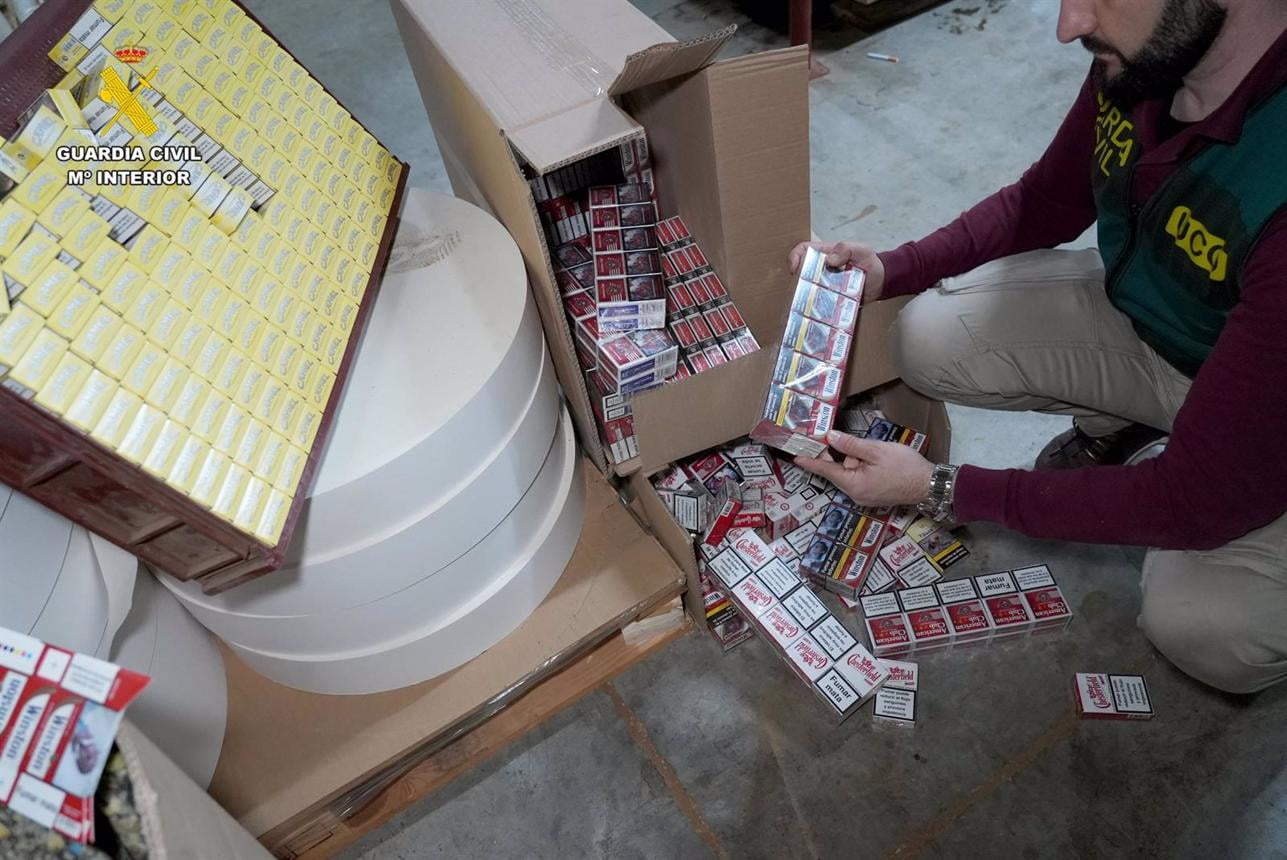
The pattern is monotonous in its simplicity. A firm applies for a non-repayable grant earmarked for digital tooling or the ecological transition, inflates its costs or invents the project outright, and pockets the difference. In early June, prosecutors in Naples froze assets worth €305,500 belonging to five suspects, after a local company allegedly drew down a €300,000 facility loan intended to help small businesses modernise. Days later, colleagues in Bologna opened a separate probe into a suspected €1 million scheme built around e-commerce subsidies, blocking a further €500,000 before it left public accounts. Neither case is exceptional. They are representative.

What makes the recovery fund unusually exposed is the architecture of speed. Member states were rewarded for disbursing quickly against milestones rather than receipts, and money that moves fast is money that is hard to follow. The design that made the facility politically attractive during the emergency is the same design that now keeps auditors awake. Front-loaded payments, light-touch national controls and a reporting model built around self-declared progress created a wide surface for abuse, particularly in the countries drawing the largest allocations.

The institutional response is a two-track affair that is easy to confuse. The European Anti-Fraud Office, known by its French acronym OLAF, runs administrative investigations and can recommend that funds be recovered and that firms be barred from future contracts. The prosecutor’s office, a younger and more muscular body, brings criminal charges before national courts across the twenty-four participating states. The two increasingly work the same files from opposite ends, one chasing the paperwork and the other chasing the people. A recent joint effort unpicked a €9.5 million fraud and money-laundering ring, a reminder that administrative recovery and criminal prosecution are complements rather than rivals.

Recovery, in the financial sense, remains the harder promise to keep. Freezing assets is not the same as clawing them back, and once grant money has been layered through shell companies and cross-border transfers, the trail cools quickly. Prosecutors can seize cars and apartments; they struggle to reconstitute cash that has already been spent. That gap between suspected damage and money actually returned is where the political credibility of the whole exercise will be tested.

The stakes reach beyond the current programme. As the Commission drafts the next long-term budget and weighs how far to lean on performance-based disbursement in the future, the recovery fund is being read as a live experiment in how much speed a public purse can tolerate before control breaks down. If the answer is that €5 billion is the price of moving quickly, the designers of the next facility will have to decide whether that toll is bearable, or whether the machinery needs slower, sturdier brakes.