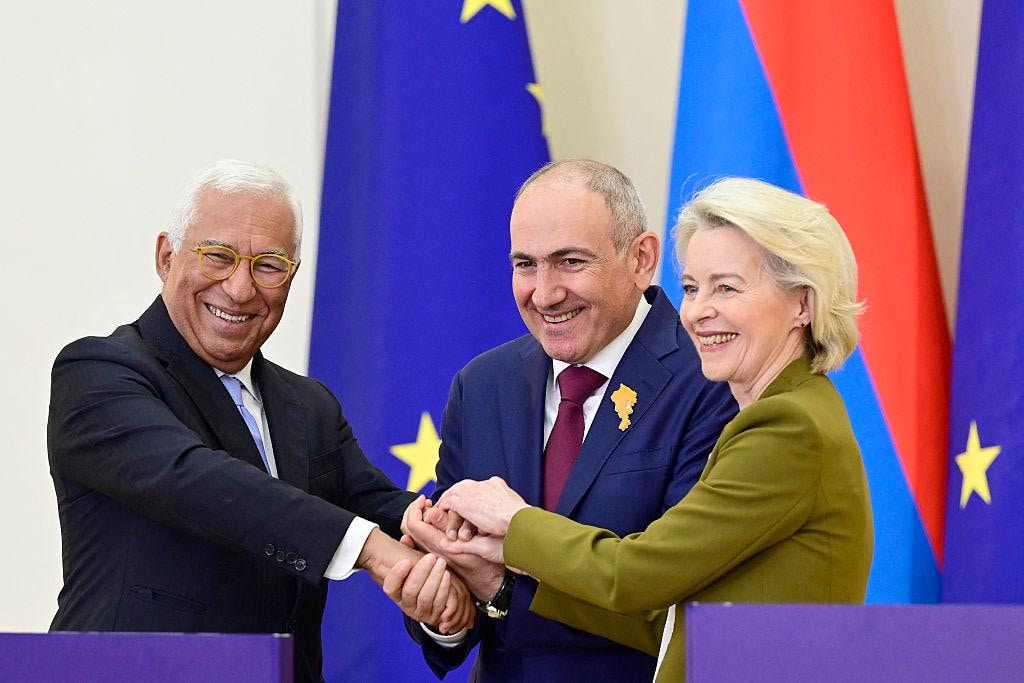
Astana: When President Kassym-Jomart Tokayev travelled to Brussels on 23 June 2026 to meet European Council President Antonio Costa and Commission President Ursula von der Leyen, the visit carried a significance beyond its diplomatic courtesies. Kazakhstan, long viewed through the narrow lens of oil and Russian influence, is being recast in European strategy as a supplier of the raw materials on which the continent’s industrial future depends.
The transformation has been building for more than a year. At the first-ever EU-Central Asia summit in Samarkand in April 2025, leaders endorsed a joint declaration on critical raw materials and unveiled a Global Gateway investment package of some 12 billion euros for the region. Of that sum, 2.5 billion euros was earmarked for raw materials, 3 billion for the Trans-Caspian transport corridor that would carry them westward, and a larger tranche for energy and climate projects. The June meeting in Brussels advanced a 2025-2026 roadmap covering raw materials, batteries and renewable hydrogen, alongside connectivity and visa arrangements.
The strategic reasoning is candid. Europe’s green and digital transitions require lithium, cobalt, rare earths and a long list of other minerals, and for many of them the supply chains run overwhelmingly through a single dominant processor in Asia. That concentration has come to look less like efficiency and more like exposure. Central Asia, with substantial deposits and governments eager for alternatives to their traditional patrons, offers a plausible route toward diversification. Kazakhstan, the region’s largest economy, is the natural anchor.
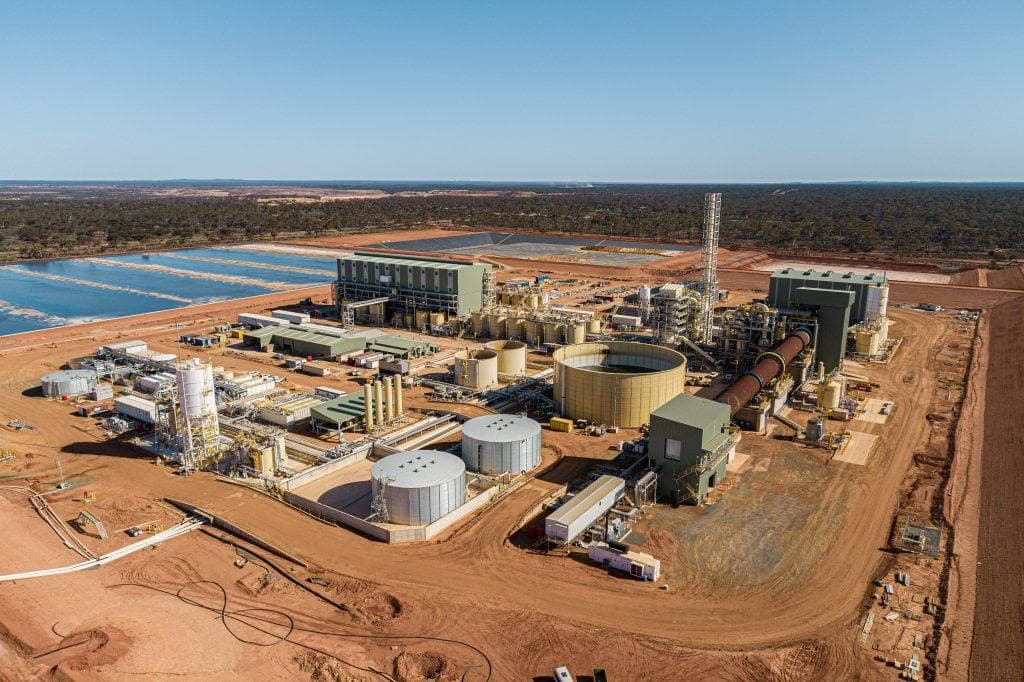
The obstacles are as real as the ambition. Deposits in the ground are not the same as processed materials in a factory, and building the mines, refineries and transport links to turn Kazakh geology into European supply will take years and considerable capital. The Trans-Caspian corridor must cross a sea, several borders and a tangle of customs regimes before its cargo reaches European ports. Investment promises, as the region knows well, do not always survive contact with commercial reality.
There is a governance dimension that Brussels prefers to underplay. Kazakhstan sits within Russia’s economic orbit and shares a long border with China, and its human rights and rule-of-law record sits uneasily with the values the EU professes. Deepening dependence on such a partner to escape dependence on another is a trade that carries its own risks, and European negotiators will have to weigh whether they are diversifying their vulnerabilities or merely relocating them.
Astana, for its part, is playing a careful hand. Balanced between Moscow, Beijing and now Brussels, it extracts investment and diplomatic attention from each while committing irrevocably to none. That multi-vector diplomacy has served Kazakhstan well, but it also means European planners should not mistake warm summitry for exclusivity.
What the Tokayev visit confirmed is that Central Asia has moved from the margins of European foreign policy toward its centre of strategic gravity. Whether the mineral partnership delivers the resilience Brussels seeks will depend less on declarations than on the unglamorous work of building supply chains that actually function. The intent is now unmistakable. The execution is the harder part.