August 9, 2026
LATEST
New EU Gas Market Rules Take Effect With Consumer SafeguardsDeforestation Regulation Holds Its December Deadline Despite CutsDigital Omnibus Delays Europe’s High-Risk AI Deadline to 2027Europe’s Schools Confront a Widening Basic Skills GapRule of Law Report Finds Progress but Trust Still LagsIRIS2 Gains 66 Satellites as Brussels Signs the Rollout DealNature Restoration Plans Come Due as Member States Race a DeadlineECB Rates Hold at 2.25 Percent as Frankfurt Waits on the DataEU Budget Talks Turn to Cohesion as Ireland Takes OverWildfire Response Stretches Europe’s Emergency Fleet ThinCan Europe’s Quantum Plan Match Its Big Ambitions?Armenia Edges West as Moscow’s Grip Slips AwayEurope Inherits the World’s Aid Bill It Cannot Fully PayAir Passenger Rights Get Their First Overhaul in Two DecadesErasmus Opens a 5 Billion Euro Round for Skills and MobilityCeuta Crisis Pushes the EU Toward Faster Migrant ReturnsBulky Parcels Face a Packaging Crackdown From August 12Can Europe Build Its Drone Wall Before 2030 Arrives?Indonesia’s Trade Deal With Europe Nears Its Final SignatureEurope Leans on Beijing to Keep Climate Talks Alive Before AntalyaNew EU Gas Market Rules Take Effect With Consumer SafeguardsDeforestation Regulation Holds Its December Deadline Despite CutsDigital Omnibus Delays Europe’s High-Risk AI Deadline to 2027Europe’s Schools Confront a Widening Basic Skills GapRule of Law Report Finds Progress but Trust Still LagsIRIS2 Gains 66 Satellites as Brussels Signs the Rollout DealNature Restoration Plans Come Due as Member States Race a DeadlineECB Rates Hold at 2.25 Percent as Frankfurt Waits on the DataEU Budget Talks Turn to Cohesion as Ireland Takes OverWildfire Response Stretches Europe’s Emergency Fleet ThinCan Europe’s Quantum Plan Match Its Big Ambitions?Armenia Edges West as Moscow’s Grip Slips AwayEurope Inherits the World’s Aid Bill It Cannot Fully PayAir Passenger Rights Get Their First Overhaul in Two DecadesErasmus Opens a 5 Billion Euro Round for Skills and MobilityCeuta Crisis Pushes the EU Toward Faster Migrant ReturnsBulky Parcels Face a Packaging Crackdown From August 12Can Europe Build Its Drone Wall Before 2030 Arrives?Indonesia’s Trade Deal With Europe Nears Its Final SignatureEurope Leans on Beijing to Keep Climate Talks Alive Before Antalya
August 9, 2026
LATEST
New EU Gas Market Rules Take Effect With Consumer SafeguardsDeforestation Regulation Holds Its December Deadline Despite CutsDigital Omnibus Delays Europe’s High-Risk AI Deadline to 2027Europe’s Schools Confront a Widening Basic Skills GapRule of Law Report Finds Progress but Trust Still LagsIRIS2 Gains 66 Satellites as Brussels Signs the Rollout DealNature Restoration Plans Come Due as Member States Race a DeadlineECB Rates Hold at 2.25 Percent as Frankfurt Waits on the DataEU Budget Talks Turn to Cohesion as Ireland Takes OverWildfire Response Stretches Europe’s Emergency Fleet ThinCan Europe’s Quantum Plan Match Its Big Ambitions?Armenia Edges West as Moscow’s Grip Slips AwayEurope Inherits the World’s Aid Bill It Cannot Fully PayAir Passenger Rights Get Their First Overhaul in Two DecadesErasmus Opens a 5 Billion Euro Round for Skills and MobilityCeuta Crisis Pushes the EU Toward Faster Migrant ReturnsBulky Parcels Face a Packaging Crackdown From August 12Can Europe Build Its Drone Wall Before 2030 Arrives?Indonesia’s Trade Deal With Europe Nears Its Final SignatureEurope Leans on Beijing to Keep Climate Talks Alive Before AntalyaNew EU Gas Market Rules Take Effect With Consumer SafeguardsDeforestation Regulation Holds Its December Deadline Despite CutsDigital Omnibus Delays Europe’s High-Risk AI Deadline to 2027Europe’s Schools Confront a Widening Basic Skills GapRule of Law Report Finds Progress but Trust Still LagsIRIS2 Gains 66 Satellites as Brussels Signs the Rollout DealNature Restoration Plans Come Due as Member States Race a DeadlineECB Rates Hold at 2.25 Percent as Frankfurt Waits on the DataEU Budget Talks Turn to Cohesion as Ireland Takes OverWildfire Response Stretches Europe’s Emergency Fleet ThinCan Europe’s Quantum Plan Match Its Big Ambitions?Armenia Edges West as Moscow’s Grip Slips AwayEurope Inherits the World’s Aid Bill It Cannot Fully PayAir Passenger Rights Get Their First Overhaul in Two DecadesErasmus Opens a 5 Billion Euro Round for Skills and MobilityCeuta Crisis Pushes the EU Toward Faster Migrant ReturnsBulky Parcels Face a Packaging Crackdown From August 12Can Europe Build Its Drone Wall Before 2030 Arrives?Indonesia’s Trade Deal With Europe Nears Its Final SignatureEurope Leans on Beijing to Keep Climate Talks Alive Before Antalya

Ports and Shipyards Anchor Europe’s New Maritime Industrial Plan

Piraeus: From the quaysides of Greece’s largest harbour, where container cranes work through the night and ferries fan out across the Aegean, the European Union’s renewed attention to the sea is easy to feel. During its Ocean Days in June, the Commission adopted an EU Ports Strategy and an Industrial Maritime Strategy, twin blueprints meant to shore up an industry that Europe has watched drift toward Asian competitors. A week earlier, on the tenth of June, it also unveiled dedicated strategies for the bloc’s islands and coastal communities, places whose economies rise and fall with the tides of maritime fortune.

The strategies arrive a year after the European Ocean Pact set out six strategic priorities for the sea, and the Commission has used the anniversary to argue that ocean protection and a competitive blue economy can advance together. In practice, the ports plan grapples with an uncomfortable reality. European harbours are gateways for the goods that keep the continent supplied, yet several key terminals have passed partly into foreign ownership, raising questions about who controls critical infrastructure in a crisis. Piraeus itself, majority-held by a Chinese shipping group, has become a frequently cited example in debates over economic security. The Industrial Maritime Strategy, for its part, confronts a shipbuilding sector that has shrunk for decades as orders migrated to yards in China and South Korea.

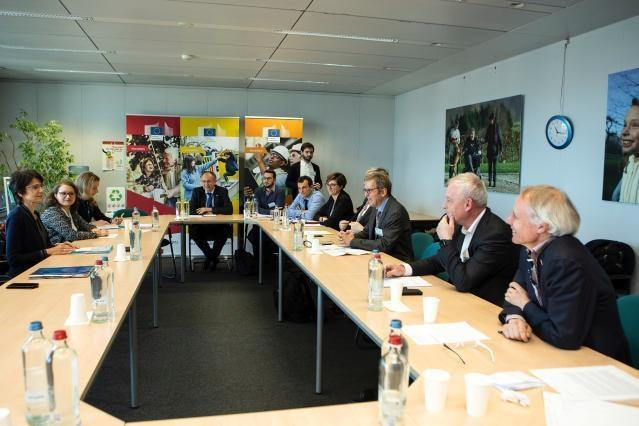
Binding these efforts together is a legislative process still taking shape. The Commission has opened a public consultation on a forthcoming European Ocean Act, inviting coastal communities, scientists and citizens to weigh in until the sixteenth of July, with a legislative proposal promised by the end of the year. Alongside it, a stakeholder-led Ocean Board now advises on policy, and an evaluation of the Common Fisheries Policy has laid out how the bloc’s decades-old rulebook has performed and where it falls short.

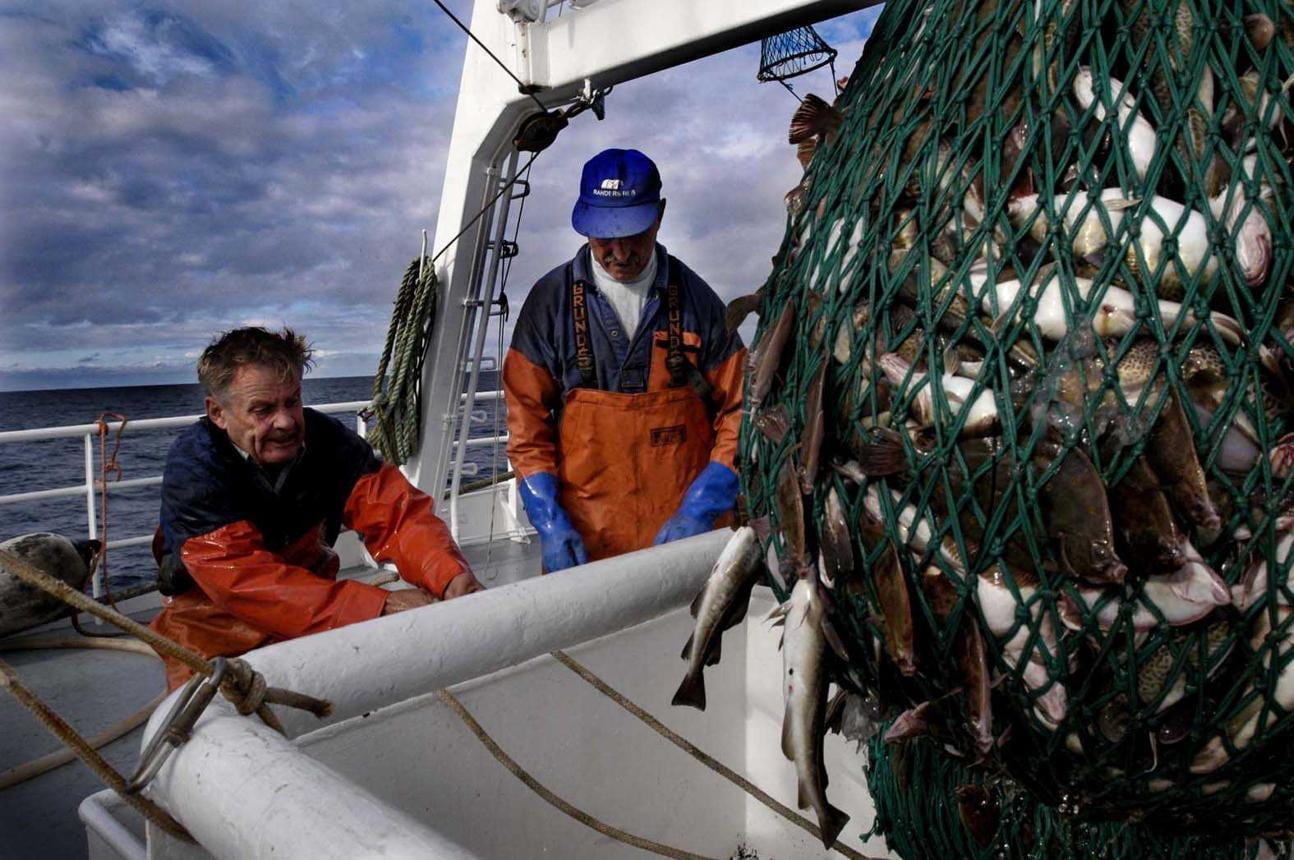
Not everyone reads the maritime turn the same way. Environmental organisations worry that the language of industrial competitiveness and strategic resilience could crowd out the conservation goals the Ocean Pact was meant to protect, from restoring depleted stocks to shielding fragile seabed habitats. Fishing communities, already squeezed by tighter catch limits and rising fuel costs, watch anxiously to see whether a strategy written largely for ports and shipyards will leave room for the small vessels that still define many coastlines. Port operators, meanwhile, welcome the promise of investment but want clarity on how security screening of foreign stakes will work in practice.

The test will come when the Ocean Act moves from consultation to concrete text. If the Commission can reconcile the demands of security, industry and conservation in a single instrument, it will have done something the sea rarely permits, which is to hold several currents in balance at once. For harbour cities like this one, the outcome is not abstract. It will shape whether Europe’s ports remain competitive, who owns them, and whether the communities built around them can still make a living from the water.