August 9, 2026
LATEST
New EU Gas Market Rules Take Effect With Consumer SafeguardsDeforestation Regulation Holds Its December Deadline Despite CutsDigital Omnibus Delays Europe’s High-Risk AI Deadline to 2027Europe’s Schools Confront a Widening Basic Skills GapRule of Law Report Finds Progress but Trust Still LagsIRIS2 Gains 66 Satellites as Brussels Signs the Rollout DealNature Restoration Plans Come Due as Member States Race a DeadlineECB Rates Hold at 2.25 Percent as Frankfurt Waits on the DataEU Budget Talks Turn to Cohesion as Ireland Takes OverWildfire Response Stretches Europe’s Emergency Fleet ThinCan Europe’s Quantum Plan Match Its Big Ambitions?Armenia Edges West as Moscow’s Grip Slips AwayEurope Inherits the World’s Aid Bill It Cannot Fully PayAir Passenger Rights Get Their First Overhaul in Two DecadesErasmus Opens a 5 Billion Euro Round for Skills and MobilityCeuta Crisis Pushes the EU Toward Faster Migrant ReturnsBulky Parcels Face a Packaging Crackdown From August 12Can Europe Build Its Drone Wall Before 2030 Arrives?Indonesia’s Trade Deal With Europe Nears Its Final SignatureEurope Leans on Beijing to Keep Climate Talks Alive Before AntalyaNew EU Gas Market Rules Take Effect With Consumer SafeguardsDeforestation Regulation Holds Its December Deadline Despite CutsDigital Omnibus Delays Europe’s High-Risk AI Deadline to 2027Europe’s Schools Confront a Widening Basic Skills GapRule of Law Report Finds Progress but Trust Still LagsIRIS2 Gains 66 Satellites as Brussels Signs the Rollout DealNature Restoration Plans Come Due as Member States Race a DeadlineECB Rates Hold at 2.25 Percent as Frankfurt Waits on the DataEU Budget Talks Turn to Cohesion as Ireland Takes OverWildfire Response Stretches Europe’s Emergency Fleet ThinCan Europe’s Quantum Plan Match Its Big Ambitions?Armenia Edges West as Moscow’s Grip Slips AwayEurope Inherits the World’s Aid Bill It Cannot Fully PayAir Passenger Rights Get Their First Overhaul in Two DecadesErasmus Opens a 5 Billion Euro Round for Skills and MobilityCeuta Crisis Pushes the EU Toward Faster Migrant ReturnsBulky Parcels Face a Packaging Crackdown From August 12Can Europe Build Its Drone Wall Before 2030 Arrives?Indonesia’s Trade Deal With Europe Nears Its Final SignatureEurope Leans on Beijing to Keep Climate Talks Alive Before Antalya
August 9, 2026
LATEST
New EU Gas Market Rules Take Effect With Consumer SafeguardsDeforestation Regulation Holds Its December Deadline Despite CutsDigital Omnibus Delays Europe’s High-Risk AI Deadline to 2027Europe’s Schools Confront a Widening Basic Skills GapRule of Law Report Finds Progress but Trust Still LagsIRIS2 Gains 66 Satellites as Brussels Signs the Rollout DealNature Restoration Plans Come Due as Member States Race a DeadlineECB Rates Hold at 2.25 Percent as Frankfurt Waits on the DataEU Budget Talks Turn to Cohesion as Ireland Takes OverWildfire Response Stretches Europe’s Emergency Fleet ThinCan Europe’s Quantum Plan Match Its Big Ambitions?Armenia Edges West as Moscow’s Grip Slips AwayEurope Inherits the World’s Aid Bill It Cannot Fully PayAir Passenger Rights Get Their First Overhaul in Two DecadesErasmus Opens a 5 Billion Euro Round for Skills and MobilityCeuta Crisis Pushes the EU Toward Faster Migrant ReturnsBulky Parcels Face a Packaging Crackdown From August 12Can Europe Build Its Drone Wall Before 2030 Arrives?Indonesia’s Trade Deal With Europe Nears Its Final SignatureEurope Leans on Beijing to Keep Climate Talks Alive Before AntalyaNew EU Gas Market Rules Take Effect With Consumer SafeguardsDeforestation Regulation Holds Its December Deadline Despite CutsDigital Omnibus Delays Europe’s High-Risk AI Deadline to 2027Europe’s Schools Confront a Widening Basic Skills GapRule of Law Report Finds Progress but Trust Still LagsIRIS2 Gains 66 Satellites as Brussels Signs the Rollout DealNature Restoration Plans Come Due as Member States Race a DeadlineECB Rates Hold at 2.25 Percent as Frankfurt Waits on the DataEU Budget Talks Turn to Cohesion as Ireland Takes OverWildfire Response Stretches Europe’s Emergency Fleet ThinCan Europe’s Quantum Plan Match Its Big Ambitions?Armenia Edges West as Moscow’s Grip Slips AwayEurope Inherits the World’s Aid Bill It Cannot Fully PayAir Passenger Rights Get Their First Overhaul in Two DecadesErasmus Opens a 5 Billion Euro Round for Skills and MobilityCeuta Crisis Pushes the EU Toward Faster Migrant ReturnsBulky Parcels Face a Packaging Crackdown From August 12Can Europe Build Its Drone Wall Before 2030 Arrives?Indonesia’s Trade Deal With Europe Nears Its Final SignatureEurope Leans on Beijing to Keep Climate Talks Alive Before Antalya

Member States Resist a Steep Rise in Europe’s Tobacco Tax

Brussels: The European Commission’s plan to raise Europe’s tobacco tax has stalled this week, as the contested Tobacco Taxation Directive passes from Cyprus to the Irish Council presidency without the political agreement Nicosia had hoped to secure by June 2026. Finance ministers remain split over how far to push minimum excise duties, leaving one of the bloc’s most divisive tax files unresolved as the second half of the year begins.

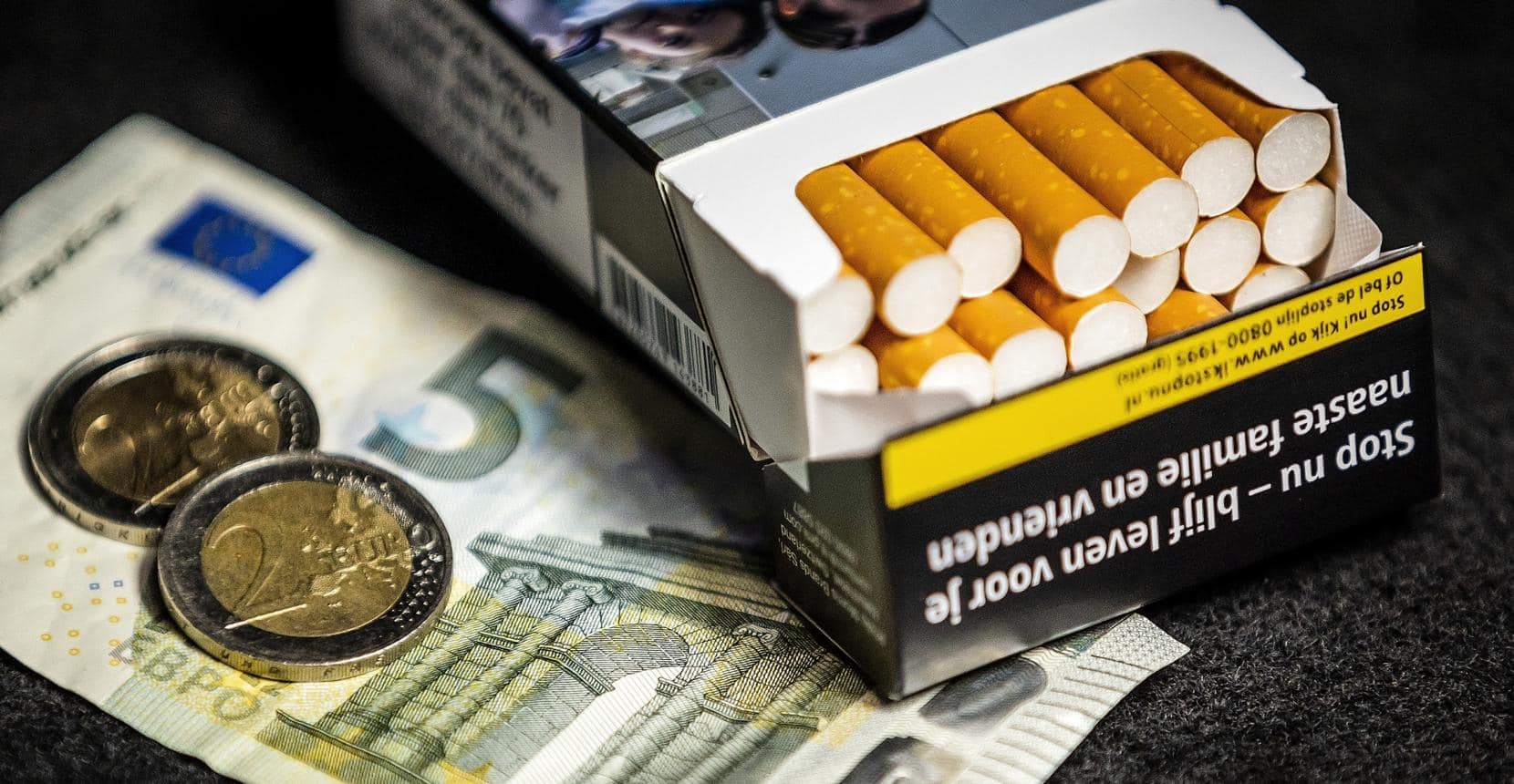
The Commission tabled the revision on 16 July 2025, its first overhaul of tobacco excise rules in more than a decade. The proposal would lift the EU minimum duty on cigarettes to 215 euro per 1,000 sticks, up sharply from the current 90 euro, and for the first time bring e-cigarettes, heated tobacco and nicotine pouches inside the excise net.

Brussels frames the reform as a health measure tied to Europe’s Beating Cancer Plan rather than a pure revenue grab. Wopke Hoekstra, the Commissioner steering the file, has argued that high smoking rates and new nicotine products aimed at teenagers justify a tougher common floor.

“Europe ranks among the highest in the world for the number of smokers, and there are new products deliberately designed for young people, 15-year-olds, which create a new addiction to nicotine,” Hoekstra told ministers when he defended the reform.

Member States, however, have pushed back hard. Because tax files require unanimity in the Council, a single capital can block the package, and several governments warn that a doubling of the cigarette floor would fuel smuggling and hit lower-income smokers in poorer economies. The Commission has tried to soften that objection by letting the effective minimum track each country’s general price level.

The European Parliament has already signalled where it wants to land. In June its Economic and Monetary Affairs Committee backed a scaled-down version that would hold the cigarette floor at 200 euro per 1,000 rather than the proposed 215, while granting vapes, heated tobacco and pouches lower rates and longer transition periods.

Key figures now on the table include:

  • A cigarette minimum of 215 euro per 1,000 sticks in the Commission text, against 90 euro today.
  • A Parliament committee compromise of 200 euro per 1,000 sticks.
  • First-ever EU minimum rates for e-cigarettes, heated tobacco and nicotine pouches.
  • Application from 2028, with a four-year transition for the newer products.

Industry groups and some governments say the numbers go too far, too fast. An advisory opinion earlier this year cautioned that aggressive rate rises could push consumers toward the illicit market and dent legitimate producers, echoing the competitiveness worries that now shadow much of the EU’s regulatory agenda.

For Ireland, which took over the rotating presidency this month, the tobacco tax file is an early test of whether it can broker a deal where Cyprus could not. Dublin must weave together health campaigners demanding higher duties, finance ministries guarding national revenue, and border states fearful of cheap cross-frontier cigarettes.

The stakes reach beyond public health. Tobacco duties raise tens of billions of euro across the Union each year, and any change to the common minimum ripples through national budgets already stretched by defence and energy commitments. Readers can follow the detail in the European Commission proposal and the underlying EUR-Lex legislative text, while the Parliament’s legislative train tracks each stage of the negotiation.

With unanimity still out of reach, officials expect the tobacco tax debate to run well into the autumn, and possibly beyond, before Europe settles on a single number.