August 9, 2026
LATEST
New EU Gas Market Rules Take Effect With Consumer SafeguardsDeforestation Regulation Holds Its December Deadline Despite CutsDigital Omnibus Delays Europe’s High-Risk AI Deadline to 2027Europe’s Schools Confront a Widening Basic Skills GapRule of Law Report Finds Progress but Trust Still LagsIRIS2 Gains 66 Satellites as Brussels Signs the Rollout DealNature Restoration Plans Come Due as Member States Race a DeadlineECB Rates Hold at 2.25 Percent as Frankfurt Waits on the DataEU Budget Talks Turn to Cohesion as Ireland Takes OverWildfire Response Stretches Europe’s Emergency Fleet ThinCan Europe’s Quantum Plan Match Its Big Ambitions?Armenia Edges West as Moscow’s Grip Slips AwayEurope Inherits the World’s Aid Bill It Cannot Fully PayAir Passenger Rights Get Their First Overhaul in Two DecadesErasmus Opens a 5 Billion Euro Round for Skills and MobilityCeuta Crisis Pushes the EU Toward Faster Migrant ReturnsBulky Parcels Face a Packaging Crackdown From August 12Can Europe Build Its Drone Wall Before 2030 Arrives?Indonesia’s Trade Deal With Europe Nears Its Final SignatureEurope Leans on Beijing to Keep Climate Talks Alive Before AntalyaNew EU Gas Market Rules Take Effect With Consumer SafeguardsDeforestation Regulation Holds Its December Deadline Despite CutsDigital Omnibus Delays Europe’s High-Risk AI Deadline to 2027Europe’s Schools Confront a Widening Basic Skills GapRule of Law Report Finds Progress but Trust Still LagsIRIS2 Gains 66 Satellites as Brussels Signs the Rollout DealNature Restoration Plans Come Due as Member States Race a DeadlineECB Rates Hold at 2.25 Percent as Frankfurt Waits on the DataEU Budget Talks Turn to Cohesion as Ireland Takes OverWildfire Response Stretches Europe’s Emergency Fleet ThinCan Europe’s Quantum Plan Match Its Big Ambitions?Armenia Edges West as Moscow’s Grip Slips AwayEurope Inherits the World’s Aid Bill It Cannot Fully PayAir Passenger Rights Get Their First Overhaul in Two DecadesErasmus Opens a 5 Billion Euro Round for Skills and MobilityCeuta Crisis Pushes the EU Toward Faster Migrant ReturnsBulky Parcels Face a Packaging Crackdown From August 12Can Europe Build Its Drone Wall Before 2030 Arrives?Indonesia’s Trade Deal With Europe Nears Its Final SignatureEurope Leans on Beijing to Keep Climate Talks Alive Before Antalya
August 9, 2026
LATEST
New EU Gas Market Rules Take Effect With Consumer SafeguardsDeforestation Regulation Holds Its December Deadline Despite CutsDigital Omnibus Delays Europe’s High-Risk AI Deadline to 2027Europe’s Schools Confront a Widening Basic Skills GapRule of Law Report Finds Progress but Trust Still LagsIRIS2 Gains 66 Satellites as Brussels Signs the Rollout DealNature Restoration Plans Come Due as Member States Race a DeadlineECB Rates Hold at 2.25 Percent as Frankfurt Waits on the DataEU Budget Talks Turn to Cohesion as Ireland Takes OverWildfire Response Stretches Europe’s Emergency Fleet ThinCan Europe’s Quantum Plan Match Its Big Ambitions?Armenia Edges West as Moscow’s Grip Slips AwayEurope Inherits the World’s Aid Bill It Cannot Fully PayAir Passenger Rights Get Their First Overhaul in Two DecadesErasmus Opens a 5 Billion Euro Round for Skills and MobilityCeuta Crisis Pushes the EU Toward Faster Migrant ReturnsBulky Parcels Face a Packaging Crackdown From August 12Can Europe Build Its Drone Wall Before 2030 Arrives?Indonesia’s Trade Deal With Europe Nears Its Final SignatureEurope Leans on Beijing to Keep Climate Talks Alive Before AntalyaNew EU Gas Market Rules Take Effect With Consumer SafeguardsDeforestation Regulation Holds Its December Deadline Despite CutsDigital Omnibus Delays Europe’s High-Risk AI Deadline to 2027Europe’s Schools Confront a Widening Basic Skills GapRule of Law Report Finds Progress but Trust Still LagsIRIS2 Gains 66 Satellites as Brussels Signs the Rollout DealNature Restoration Plans Come Due as Member States Race a DeadlineECB Rates Hold at 2.25 Percent as Frankfurt Waits on the DataEU Budget Talks Turn to Cohesion as Ireland Takes OverWildfire Response Stretches Europe’s Emergency Fleet ThinCan Europe’s Quantum Plan Match Its Big Ambitions?Armenia Edges West as Moscow’s Grip Slips AwayEurope Inherits the World’s Aid Bill It Cannot Fully PayAir Passenger Rights Get Their First Overhaul in Two DecadesErasmus Opens a 5 Billion Euro Round for Skills and MobilityCeuta Crisis Pushes the EU Toward Faster Migrant ReturnsBulky Parcels Face a Packaging Crackdown From August 12Can Europe Build Its Drone Wall Before 2030 Arrives?Indonesia’s Trade Deal With Europe Nears Its Final SignatureEurope Leans on Beijing to Keep Climate Talks Alive Before Antalya

Critical Medicines Act Moves to Reshore EU Drug Supply

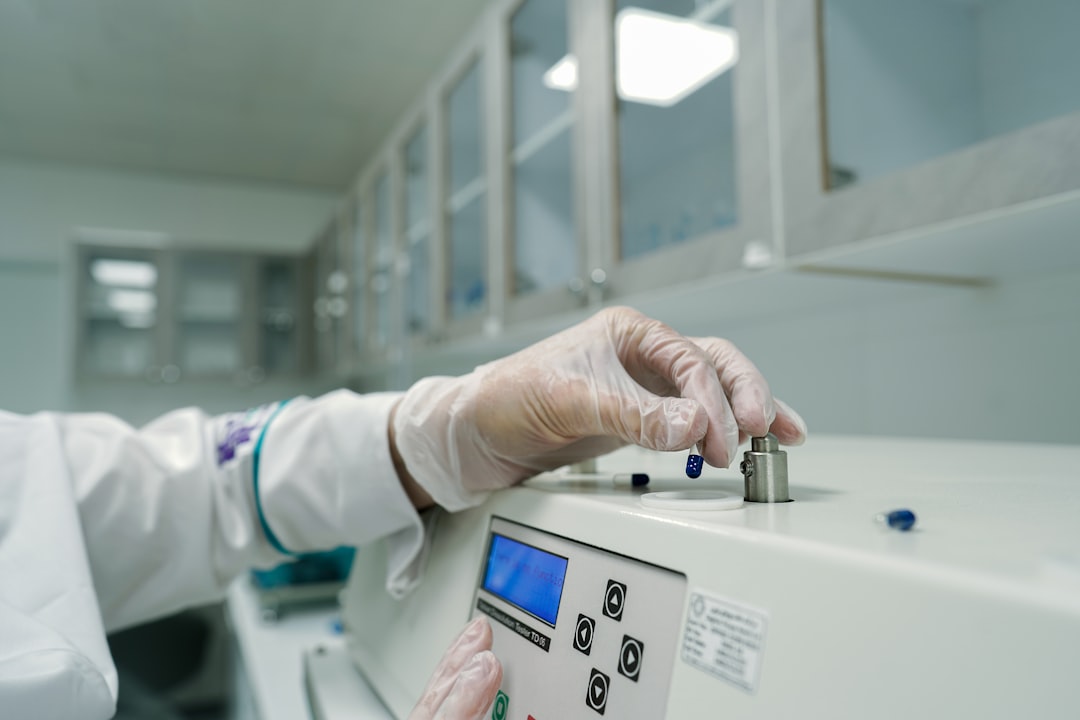
The Critical Medicines Act is edging from political deal toward binding law, and with it a bet that Europe can pull the manufacturing of essential drugs back onto its own soil. Negotiators from the Council and Parliament struck a provisional agreement in May, and the text now awaits formal sign-off. The ambition is straightforward: fewer shortages of antibiotics, insulin and painkillers, and less dependence on a handful of distant suppliers.

## What the Critical Medicines Act changes for supply chains

The regulation targets a vulnerability laid bare during recent shortage waves, when a single overseas plant going offline could empty pharmacy shelves across the continent. It pushes contracting authorities to build resilience requirements directly into public procurement for critical medicines.

In practice, that means price can no longer be the only thing that wins a hospital tender. Where a medicine is made, and how diversified its supply chain is, will start to count. The aim is to reward manufacturers who keep production and active ingredients inside the EU rather than outsourcing every step to the lowest bidder.

## Joint procurement gets an easier trigger

One of the most consequential tweaks is administrative rather than dramatic. The co-legislators cut the number of member states needed to ask the Commission to procure medicines on their behalf from nine to five.

Lowering that threshold matters because collective buying gives smaller countries the bargaining power they lack alone. A cluster of five states can now pool demand for a scarce antibiotic and negotiate as a bloc, rather than competing against each other for the same limited stock. The Act also lets governments share information about contingency stock requirements, a quiet step toward coordinating reserves instead of hoarding them.

## Why manufacturers and Africa are watching closely

The reshoring push is not without critics. Building EU manufacturing capacity for active pharmaceutical ingredients is expensive and slow, and industry groups want to see whether the incentives are generous enough to change investment decisions.

There is also a global dimension. Health advocates have warned that if Europe redirects supply and procurement toward its own resilience, lower-income regions that rely on the same manufacturers could feel the squeeze. The European Medicines Agency has welcomed the deal, but the balance between EU self-sufficiency and global supply solidarity will be tested once the rules bite.

## What happens next

The provisional agreement still needs formal approval from both the Parliament and the Council before it enters into force, and the real work begins afterward. Resilience criteria have to be written into thousands of national tenders, and manufacturing incentives have to translate into actual factories.

The Critical Medicines Act sits alongside the broader EU pharmaceutical package, and the two will have to be read together as they take effect. For patients, the promise is fewer of the frustrating gaps that have made simple prescriptions unreliable in recent winters. For the wider system, it is a test of whether Europe can turn the lesson of past shortages into durable supply security. The Council has published the shape of the deal in its overview of the new rules for critical medicines, and the Commission set out its own case when it welcomed the political agreement earlier this year.