Toulouse: Farmers across France’s southern grain belt have watched fertiliser bills climb to levels that squeeze even a strong harvest, and Europe’s lawmakers are now moving to help. Parliament is fast-tracking a Commission plan that would release direct payments earlier and steer emergency support to farms caught in the price spike.
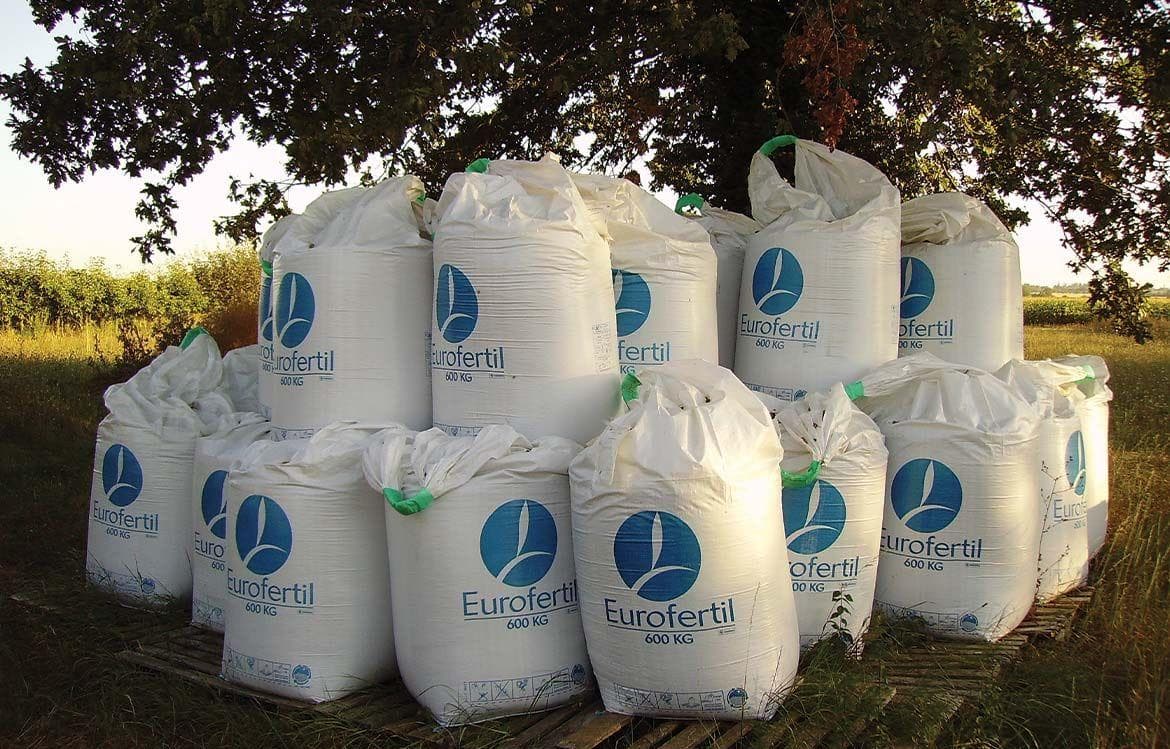
The pressure is stark. Nitrogen fertiliser prices in April stood 71 percent above the 2024 average, a jump that eats into margins for anyone growing cereals, oilseeds or vegetables. For many holdings the cost of feeding a crop now rivals the price the crop will fetch.
The fertiliser relief package leans on the Common Agricultural Policy, the vast subsidy system that shapes rural Europe. Rather than invent a new fund, the Commission wants member states to advance existing payments so cash reaches struggling farms before the next planting instead of months afterward.
Lawmakers are handling the file under an urgent procedure and expect to adopt the changes at first reading, skipping the long back-and-forth that usually slows farm legislation. That speed reflects a fear that one bad cash-flow year could push otherwise viable farms out of business.
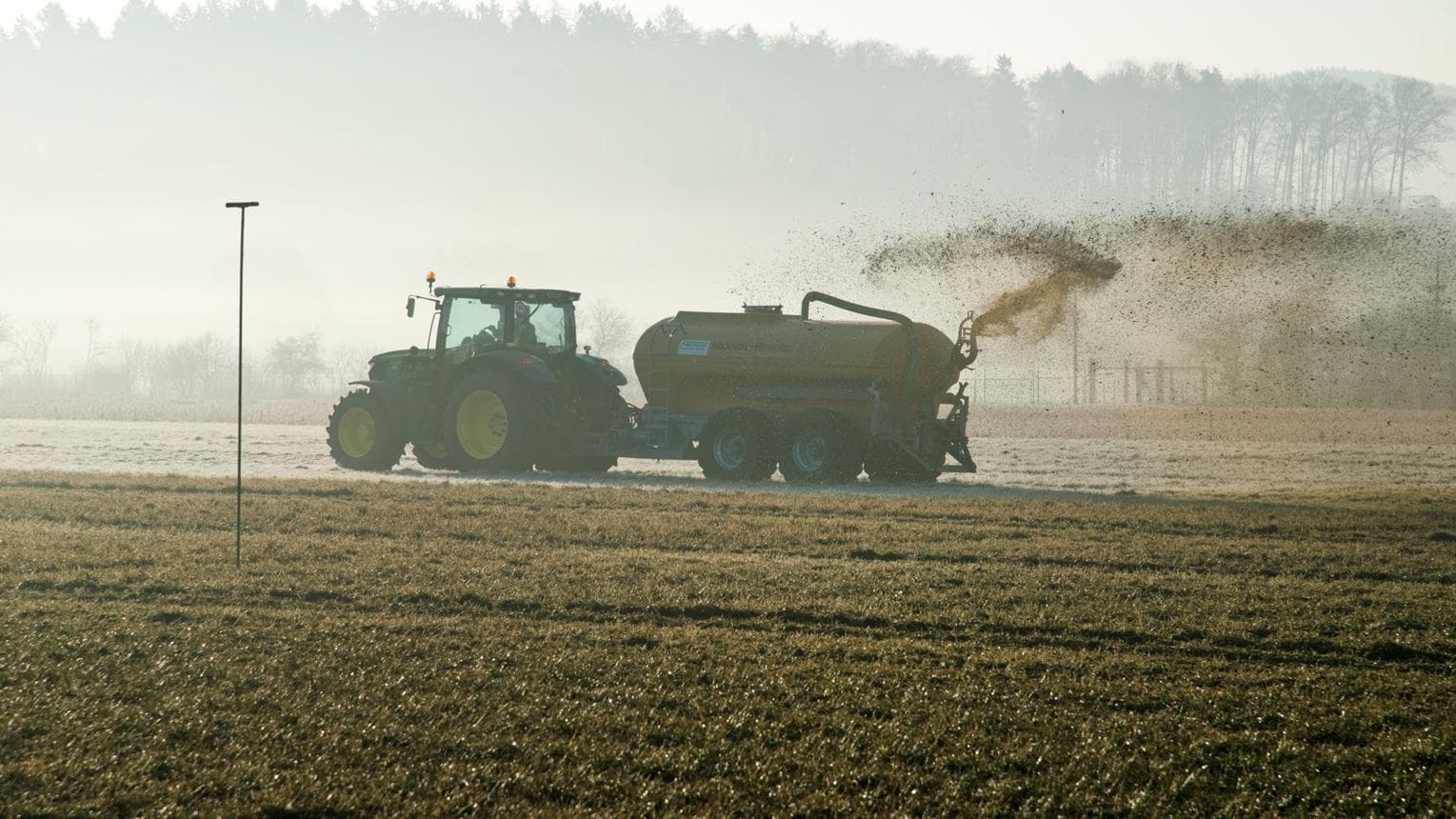
The price surge traces back to energy. Fertiliser factories burn large volumes of natural gas, so the swings that rattled European energy markets fed straight into the cost of a bag of nitrogen. Trade measures on imported fertiliser have piled on further pressure.
Agriculture Commissioner Christophe Hansen framed the relief as a bridge rather than a cure, and he used early July to present a wider vision for farm policy after 2027. Food security, he argued, must stay a funding priority in the next long-term budget that runs to 2034.
Under the plan each member state would decide how quickly to push the money out, which means relief could reach a French cereal grower weeks before a farmer in another country sees the same help. Farm unions have urged capitals to move at the same pace so that support does not depend on where a holding happens to sit.
That future budget worries farm groups, who fear agriculture will lose ground to defence and other new spending demands. Any hint that the farm envelope might shrink lands badly in rural communities already unsettled by rising costs and thin margins.
For now the immediate task is cash flow, and the emergency measure aims squarely at it. The Commission has published its market outlook and its policy proposals together, both available through its agriculture department, as ministers weigh how far to stretch limited relief.