Parma: Bird flu has loosened its grip on Europe’s chicken sheds and turkey barns, yet the same virus is still killing wild seabirds in large numbers along the coasts, according to the latest surveillance from the European Food Safety Authority.
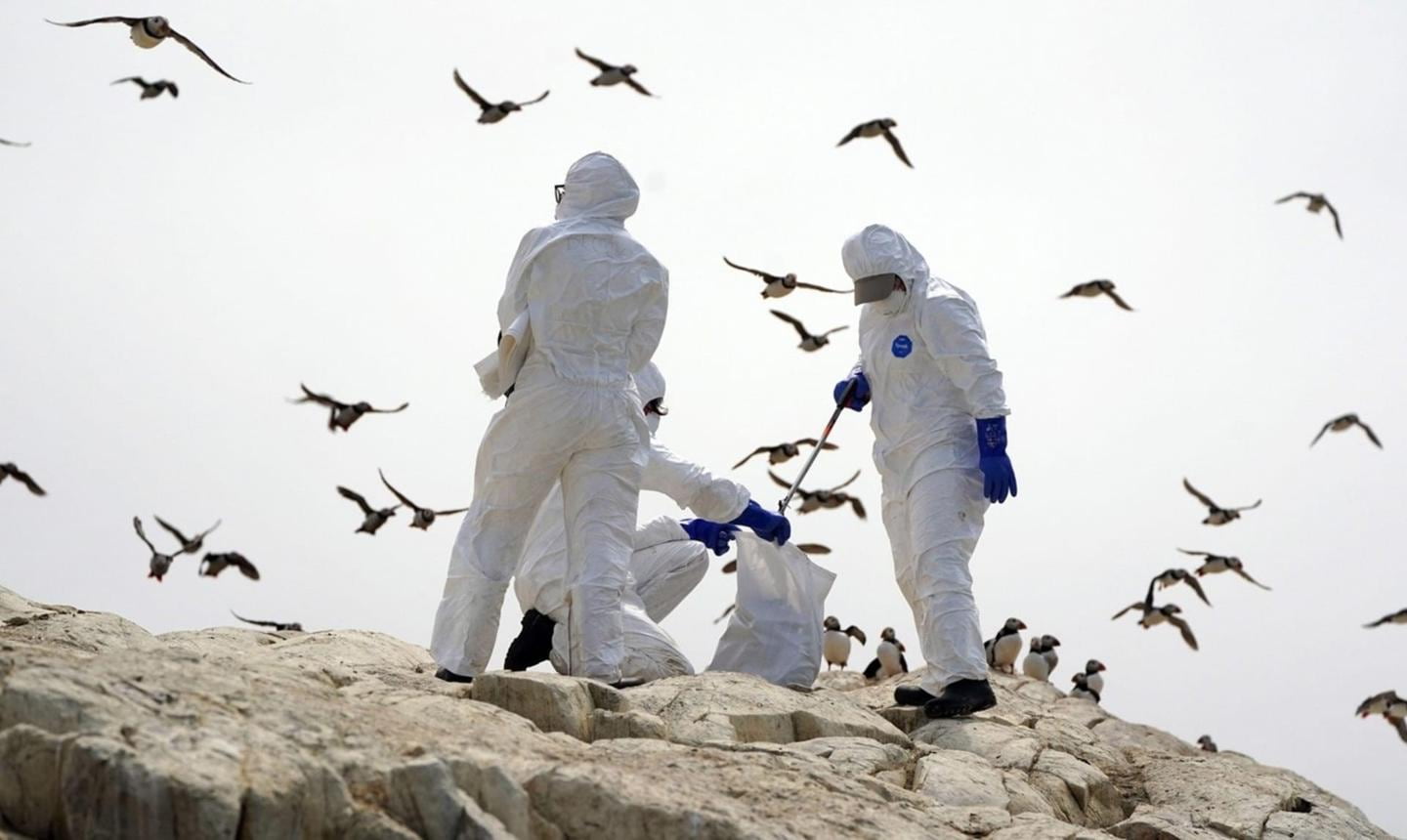
Between late November and late February, monitoring teams logged more than 2,500 detections of highly pathogenic avian influenza across 32 European countries. The overwhelming majority struck wild birds rather than farms, a pattern that has held as the virus settled into seabird colonies and refused to leave. Gulls, terns and gannets have suffered heavy mortality, which worries conservationists as much as farmers.
For poultry the news is better. Outbreaks on commercial holdings have eased from the peaks of recent winters, easing pressure on a supply chain that supplies eggs and meat to hundreds of millions of consumers. The European Food Safety Authority credits tighter biosecurity, faster culling of infected flocks, and the seasonal drop that usually follows the spring migration.
Farmers still cannot relax. The virus circulates constantly in wild populations, and a single contact between a wild bird and an outdoor flock can seed a new outbreak. That is why authorities keep drawing protection and surveillance zones around confirmed cases, restricting movement and demanding that birds stay housed when the risk climbs. A Commission decision at the end of June updated the map of those zones once again.
Food safety experts continue to stress that poultry and eggs remain safe to eat. There is no evidence that people catch the virus by eating properly handled and cooked products, and the human cases seen worldwide have come from close contact with sick animals, not from meals. That message matters for an industry whose sales can slump on rumour alone.
The persistence in seabirds raises a longer question. When a virus finds a permanent reservoir in wildlife, eradication stops being realistic, and control becomes a matter of living alongside a recurring threat. Scientists watch closely for signs that the virus is adapting to mammals, because each new host gives it fresh chances to change.
Vaccination of poultry, once taboo because it complicated trade, is gaining cautious acceptance in several member states. France has already vaccinated ducks, and others weigh whether the benefit of fewer outbreaks outweighs the export headaches. The agency’s data will help ministers judge where the balance now lies.
For the coming season the guidance is steady rather than alarmed. Keep watching the wild birds, protect the flocks, and treat every dead gull on a beach as a signal worth reporting.