
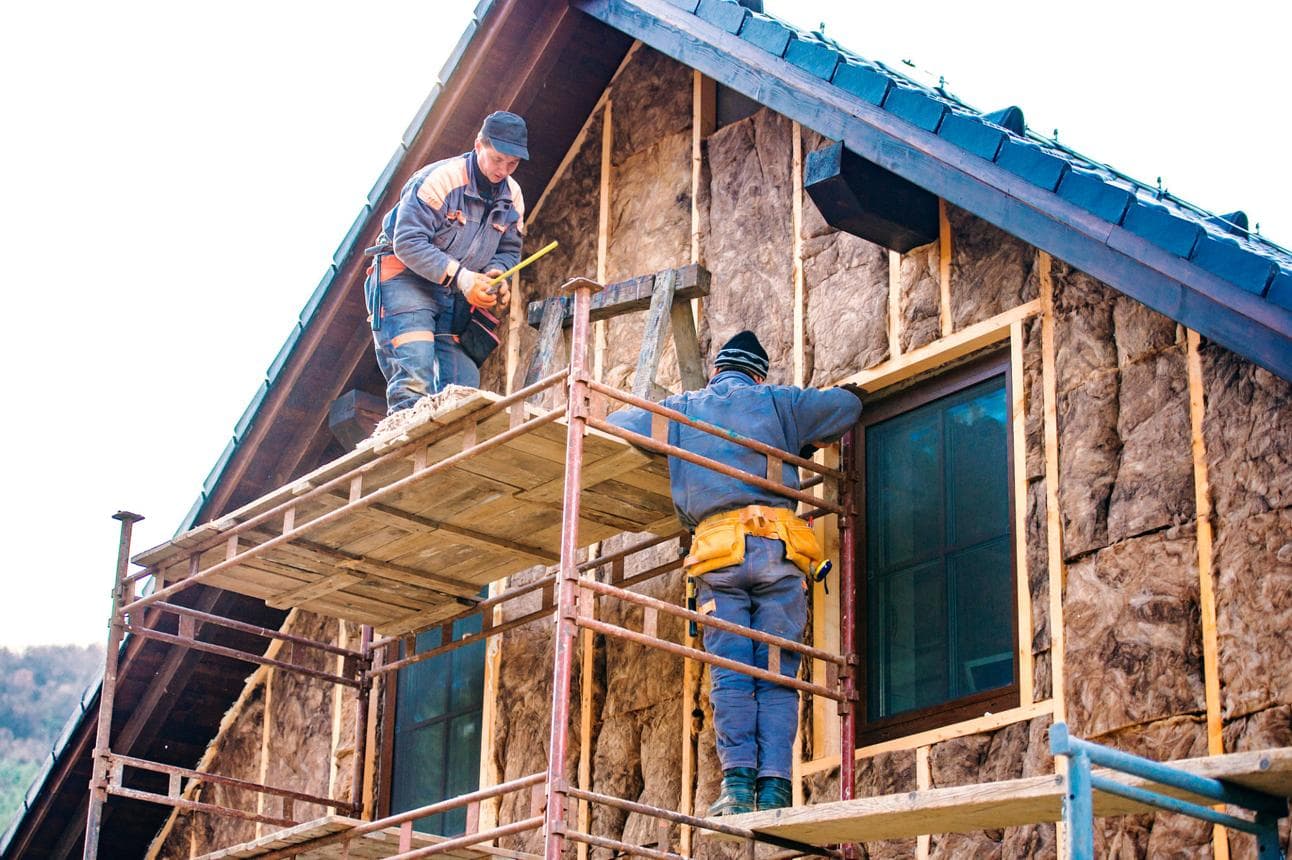
Luxembourg: Almost a quarter of people in the European Union live in a home that has had an energy efficiency upgrade, according to figures Eurostat published on 14 July, a milestone that officials tie to the wider fight against energy poverty.
The data show that 24 percent of the bloc’s residents benefited from measures such as new insulation, better windows, heat pumps or upgraded boilers. Those improvements cut the energy a household needs to stay warm, which lowers bills and shrinks the emissions that heating pumps into the air. The share varies sharply between countries, reflecting older housing stock in some regions and generous renovation grants in others.
The stakes are large. By common estimates tens of millions of households across the Union struggle to heat their homes adequately or fall behind on utility bills. Cold, damp housing harms health, deepens poverty, and traps families in a cycle where poor insulation forces high spending on wasted heat. Renovation attacks the problem at its root instead of merely subsidising the bills.
European rules now push member states to act. The revised Energy Efficiency Directive puts a stronger focus on protecting vulnerable consumers, and a dedicated fund is meant to channel money toward the households that need it most. Governments have begun submitting the national plans that unlock that support, and Eurostat tracks the progress so that promises can be measured against results.
Money remains the obstacle. Deep renovations cost far more than most poorer families can find, and they often rent rather than own, which weakens their power to change the building. Landlords who pay none of the heating bills have little reason to invest. Designing subsidies that reach tenants, not just owners, is one of the harder puzzles facing energy ministers.
The climate logic reinforces the social one. Buildings account for a large slice of Europe’s energy use and its emissions, so cutting waste from homes is essential if the bloc is to hit its targets for the end of the decade. Every insulated wall does double duty, easing a family’s budget and trimming the carbon the continent must eliminate.
Campaigners warn against reading the headline figure too warmly. A quarter of residents helped means three quarters still wait, and the households furthest from an upgrade are often the ones in greatest need. They want faster money, clearer rules for rented flats, and steady funding that does not vanish when budgets tighten.
The next round of national plans will test whether the ambition holds. For now the trend points up, slowly.


