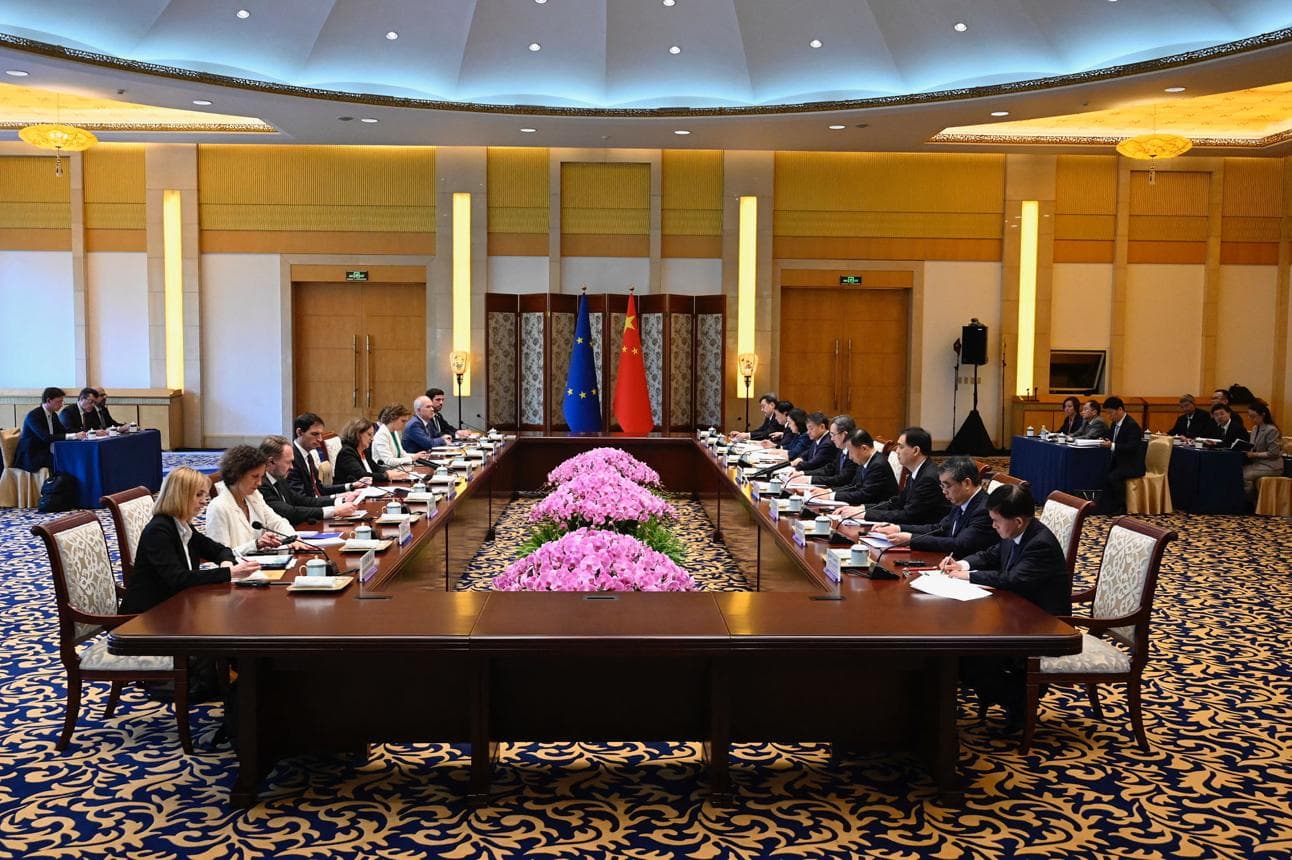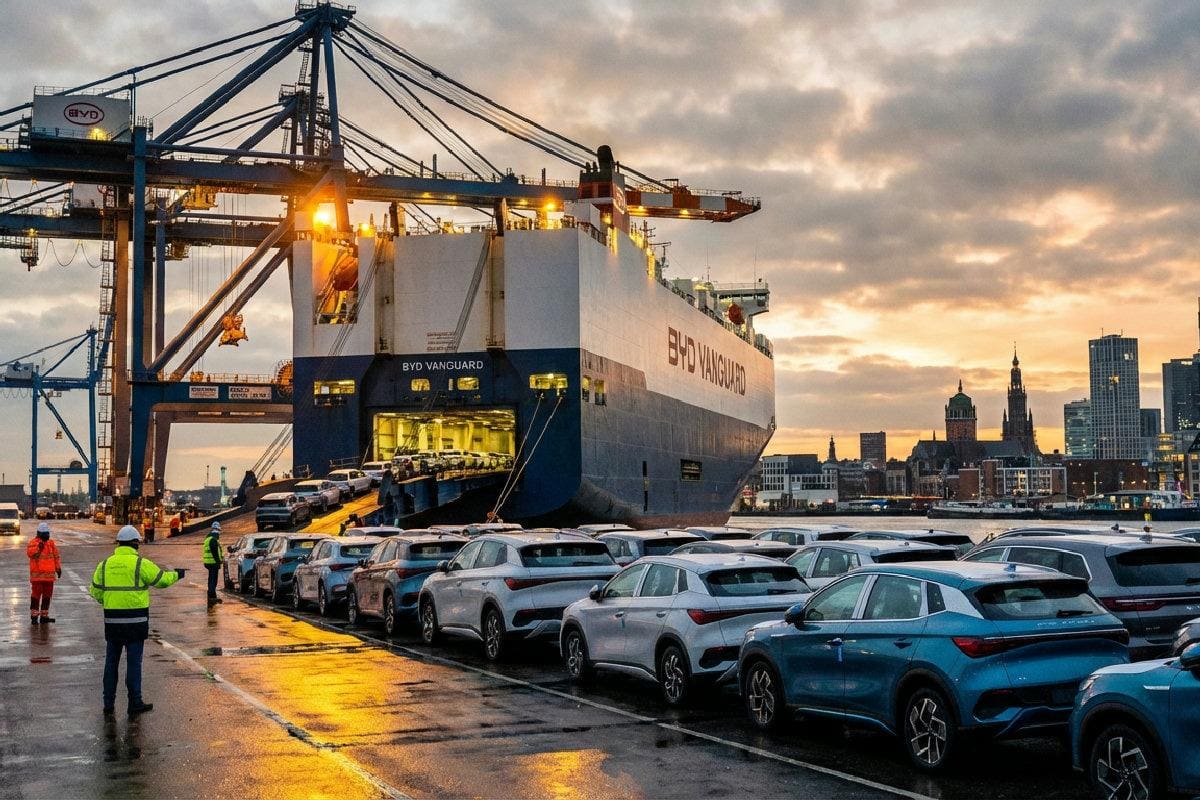
Brussels: The European Union has opened a formal path for Chinese carmakers to escape its punitive duties, publishing detailed guidance on the price undertakings that could replace tariffs on battery electric vehicles.
Since late 2024 the bloc has charged extra duties of between 7.8 and 35.3 percent on Chinese electric cars, layered on top of the standard 10 percent import levy. The Commission argued that Beijing’s subsidies distorted the market. Chinese producers called the measures protectionist and pressed for an alternative.
That alternative now has a shape. Under the mechanism, a manufacturer avoids the tariff if it promises never to sell below an agreed minimum price inside the Union. The Commission published its guidance document in January, inviting firms to submit offers that also detail their planned investments in Europe.
The logic is straightforward. Tariffs raise prices but leave Chinese firms free to compete aggressively once buyers absorb the cost. A price floor removes the incentive to undercut European rivals directly, while letting consumers keep access to the models they want. Brussels keeps its industrial defences without slamming the door.
Yet the design carries real risk. A minimum price only works if it credibly cancels out the subsidy advantage, and Commission officials describe those subsidies as pervasive and hard to measure. Set the floor too low and European manufacturers gain little. Set it too high and the scheme invites accusations of rigging a market that should reward efficiency.
Enforcement poses a second problem. Officials must monitor each undertaking across dozens of national markets, model variants and financing arrangements. Chinese groups such as BYD have already begun building plants inside the Union, which blurs the line between an import that faces the floor and a locally assembled car that does not.
The politics cut just as deep. Germany’s carmakers, exposed to retaliation in China, have long favoured a negotiated settlement over a tariff war. France pushed hardest for the original duties. A price-floor deal tests whether the bloc can hold a common line when member states weigh their industrial exposure so differently.
For Beijing, the mechanism offers a face-saving exit and a foothold in Europe’s shift to electric mobility. For Brussels, it is an experiment in managed competition rather than open confrontation, and its outcome will shape how the Union handles the next wave of Chinese exports in wind turbines, batteries and grid equipment.
Approval remains far from certain. The Commission has warned that it will reject offers that fail to neutralise the subsidy effect, and the internal analysis of the first submissions will take months. If it works, the model could define a new template for EU trade defence. If it fails, tariffs snap back and the dispute returns to where it began.