Palermo: In Sicily’s regional capital, where European money has paved roads and rebuilt harbours for decades, local officials are recalculating what the Union’s largest investment pot will now pay for. A mid-term review of cohesion funds has cleared the way for member states to redirect 34.6 billion euro toward priorities that barely featured when the current programmes were drawn up.
Cohesion policy remains the Union’s main tool for narrowing the gap between richer and poorer regions, backed by 392 billion euro across the 2021 to 2027 period. The review does not add new money. Instead it lets governments move existing allocations toward defence and security, competitiveness, affordable housing, water resilience and the strains facing regions along the Union’s eastern border.
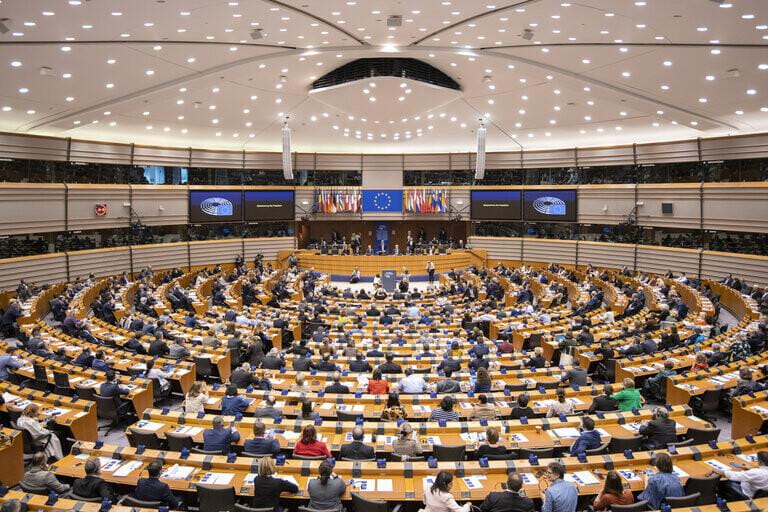
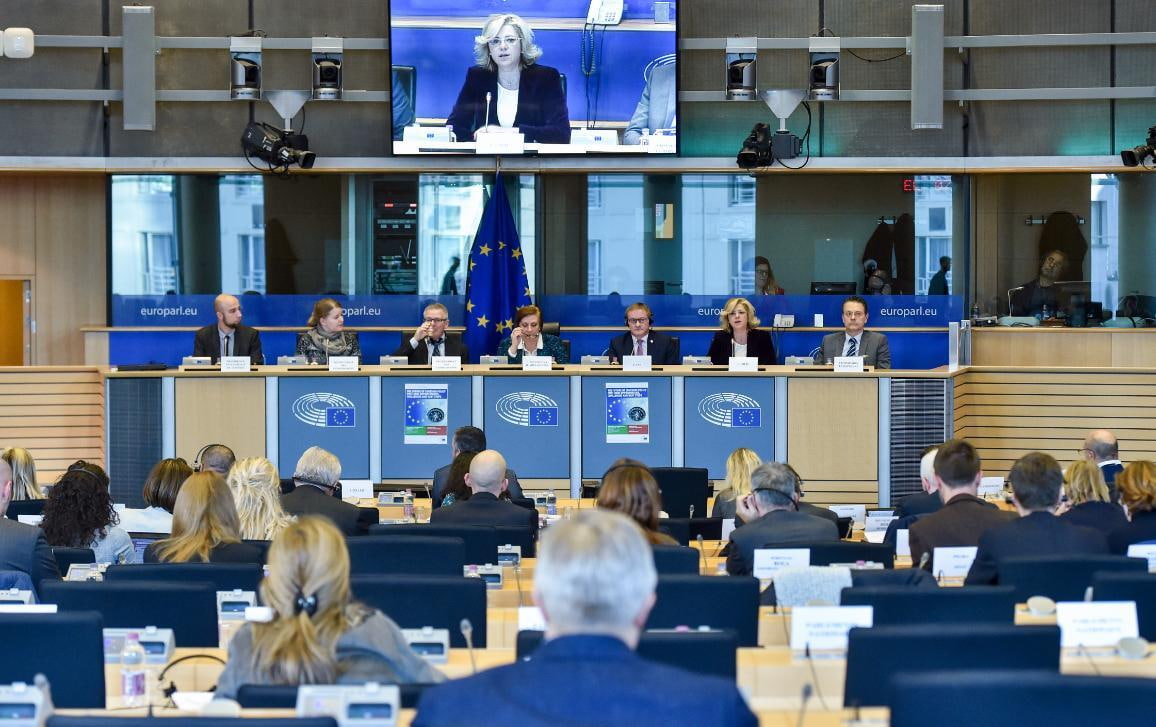
The Council and Parliament struck the deal that made the shift possible, and both institutions cast it as a response to a changed world. The Council’s account stresses that the framework needed to bend toward security and preparedness without abandoning its founding purpose of regional convergence.
That balance is where the argument begins. Poorer regions worry that money once earmarked for schools, transport and small business support could drift toward defence industry projects that cluster in already wealthy areas. Supporters counter that a region gains little from a new bypass if it sits exposed on an insecure frontier or cannot house the workers its economy needs.
Housing has emerged as the review’s most politically charged addition. Rents have outrun wages across much of the continent, and cohesion money can now flow into affordable homes in a way the original rules discouraged. For cities squeezed between tourism and stagnant construction, the change offers a rare new source of capital.
Water resilience marks another shift born of hard experience. Successive droughts and floods have exposed ageing pipes, leaking networks and regions that run short of clean supply in high summer. Directing structural funds toward reservoirs, treatment plants and reuse schemes reframes water as infrastructure worth the same attention as roads and railways.
The review also promises faster deployment. Programmes have often crawled through layers of paperwork before a single euro reached the ground, and the new text offers incentives and flexibility meant to speed spending as the funding window closes. Whether administrations can absorb the money in time remains an open question.
For Palermo and hundreds of regions like it, the recalibration is a preview of a larger fight. Negotiations over the Union’s next long-term budget will decide whether cohesion keeps its size and its convergence mission, or whether security and competitiveness steadily crowd out the poorer places the policy was built to lift.