August 9, 2026
LATEST
New EU Gas Market Rules Take Effect With Consumer SafeguardsDeforestation Regulation Holds Its December Deadline Despite CutsDigital Omnibus Delays Europe’s High-Risk AI Deadline to 2027Europe’s Schools Confront a Widening Basic Skills GapRule of Law Report Finds Progress but Trust Still LagsIRIS2 Gains 66 Satellites as Brussels Signs the Rollout DealNature Restoration Plans Come Due as Member States Race a DeadlineECB Rates Hold at 2.25 Percent as Frankfurt Waits on the DataEU Budget Talks Turn to Cohesion as Ireland Takes OverWildfire Response Stretches Europe’s Emergency Fleet ThinCan Europe’s Quantum Plan Match Its Big Ambitions?Armenia Edges West as Moscow’s Grip Slips AwayEurope Inherits the World’s Aid Bill It Cannot Fully PayAir Passenger Rights Get Their First Overhaul in Two DecadesErasmus Opens a 5 Billion Euro Round for Skills and MobilityCeuta Crisis Pushes the EU Toward Faster Migrant ReturnsBulky Parcels Face a Packaging Crackdown From August 12Can Europe Build Its Drone Wall Before 2030 Arrives?Indonesia’s Trade Deal With Europe Nears Its Final SignatureEurope Leans on Beijing to Keep Climate Talks Alive Before AntalyaNew EU Gas Market Rules Take Effect With Consumer SafeguardsDeforestation Regulation Holds Its December Deadline Despite CutsDigital Omnibus Delays Europe’s High-Risk AI Deadline to 2027Europe’s Schools Confront a Widening Basic Skills GapRule of Law Report Finds Progress but Trust Still LagsIRIS2 Gains 66 Satellites as Brussels Signs the Rollout DealNature Restoration Plans Come Due as Member States Race a DeadlineECB Rates Hold at 2.25 Percent as Frankfurt Waits on the DataEU Budget Talks Turn to Cohesion as Ireland Takes OverWildfire Response Stretches Europe’s Emergency Fleet ThinCan Europe’s Quantum Plan Match Its Big Ambitions?Armenia Edges West as Moscow’s Grip Slips AwayEurope Inherits the World’s Aid Bill It Cannot Fully PayAir Passenger Rights Get Their First Overhaul in Two DecadesErasmus Opens a 5 Billion Euro Round for Skills and MobilityCeuta Crisis Pushes the EU Toward Faster Migrant ReturnsBulky Parcels Face a Packaging Crackdown From August 12Can Europe Build Its Drone Wall Before 2030 Arrives?Indonesia’s Trade Deal With Europe Nears Its Final SignatureEurope Leans on Beijing to Keep Climate Talks Alive Before Antalya
August 9, 2026
LATEST
New EU Gas Market Rules Take Effect With Consumer SafeguardsDeforestation Regulation Holds Its December Deadline Despite CutsDigital Omnibus Delays Europe’s High-Risk AI Deadline to 2027Europe’s Schools Confront a Widening Basic Skills GapRule of Law Report Finds Progress but Trust Still LagsIRIS2 Gains 66 Satellites as Brussels Signs the Rollout DealNature Restoration Plans Come Due as Member States Race a DeadlineECB Rates Hold at 2.25 Percent as Frankfurt Waits on the DataEU Budget Talks Turn to Cohesion as Ireland Takes OverWildfire Response Stretches Europe’s Emergency Fleet ThinCan Europe’s Quantum Plan Match Its Big Ambitions?Armenia Edges West as Moscow’s Grip Slips AwayEurope Inherits the World’s Aid Bill It Cannot Fully PayAir Passenger Rights Get Their First Overhaul in Two DecadesErasmus Opens a 5 Billion Euro Round for Skills and MobilityCeuta Crisis Pushes the EU Toward Faster Migrant ReturnsBulky Parcels Face a Packaging Crackdown From August 12Can Europe Build Its Drone Wall Before 2030 Arrives?Indonesia’s Trade Deal With Europe Nears Its Final SignatureEurope Leans on Beijing to Keep Climate Talks Alive Before AntalyaNew EU Gas Market Rules Take Effect With Consumer SafeguardsDeforestation Regulation Holds Its December Deadline Despite CutsDigital Omnibus Delays Europe’s High-Risk AI Deadline to 2027Europe’s Schools Confront a Widening Basic Skills GapRule of Law Report Finds Progress but Trust Still LagsIRIS2 Gains 66 Satellites as Brussels Signs the Rollout DealNature Restoration Plans Come Due as Member States Race a DeadlineECB Rates Hold at 2.25 Percent as Frankfurt Waits on the DataEU Budget Talks Turn to Cohesion as Ireland Takes OverWildfire Response Stretches Europe’s Emergency Fleet ThinCan Europe’s Quantum Plan Match Its Big Ambitions?Armenia Edges West as Moscow’s Grip Slips AwayEurope Inherits the World’s Aid Bill It Cannot Fully PayAir Passenger Rights Get Their First Overhaul in Two DecadesErasmus Opens a 5 Billion Euro Round for Skills and MobilityCeuta Crisis Pushes the EU Toward Faster Migrant ReturnsBulky Parcels Face a Packaging Crackdown From August 12Can Europe Build Its Drone Wall Before 2030 Arrives?Indonesia’s Trade Deal With Europe Nears Its Final SignatureEurope Leans on Beijing to Keep Climate Talks Alive Before Antalya

Why the UAE Holds the Key to Europe’s Gulf Trade Push

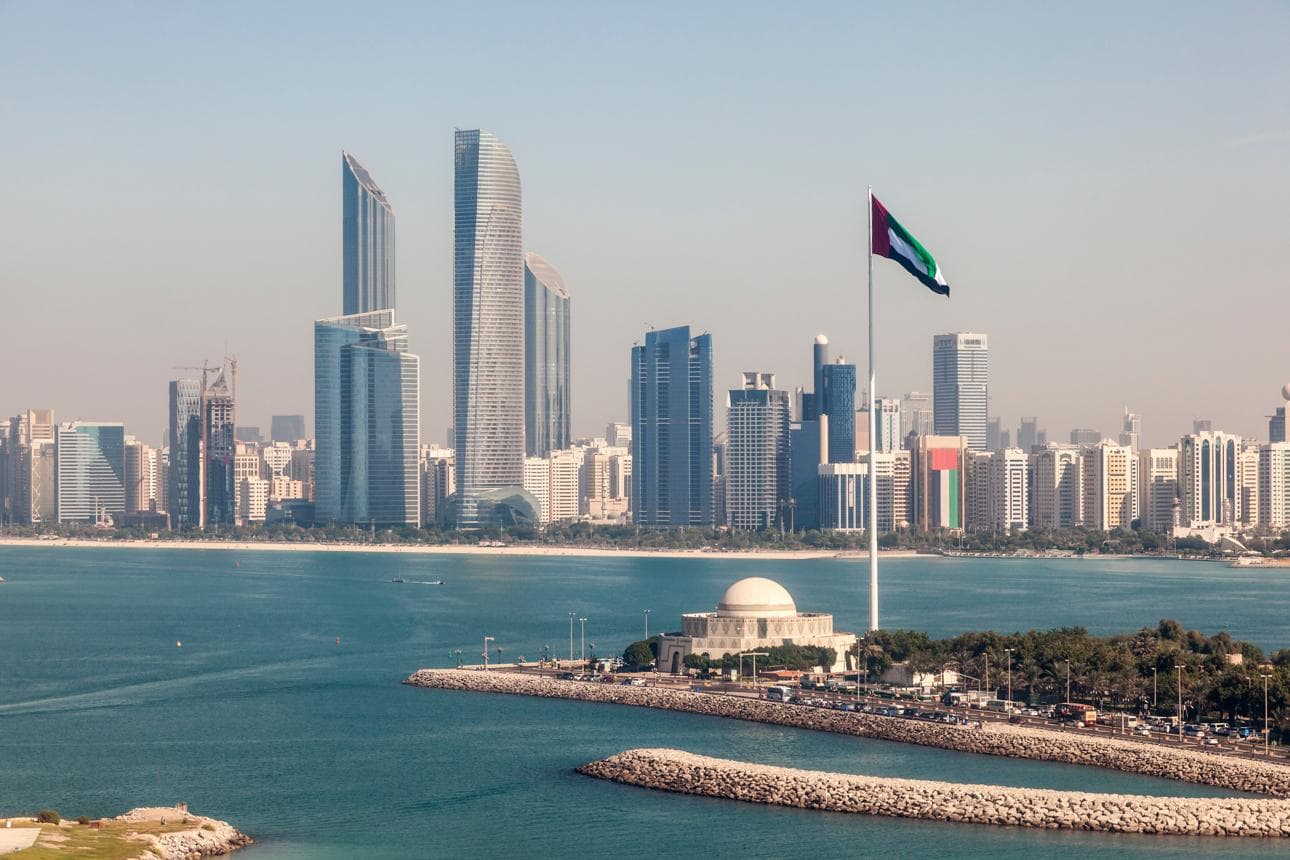
Abu Dhabi: For two decades the European Union treated a trade deal with the Gulf as a negotiation that would never end. A bilateral push with the United Arab Emirates has now handed Europe’s Gulf trade ambitions their best opening in a generation.

The shift turns on method. Collective talks between the EU and the six-member Gulf Cooperation Council collapsed in 2008 and stayed frozen for years. Rather than resurrect that unwieldy format, Brussels opened a bilateral negotiation with the UAE in June 2025, wagering that one quick agreement with the Gulf’s most open economy could pull the others along. The European Commission openly frames the UAE deal as a building block toward a wider regional pact.

The economics reward the gamble. Two-way trade between Europe and the Gulf runs near 200 billion dollars a year, and the EU ranks as the bloc’s second-largest partner after China. Fuels still make up more than three-quarters of what Europe buys from the region, an imbalance both sides now want to break. Gulf capitals chase European technology, renewables and industrial know-how; European firms chase Gulf capital and cheap clean energy.

That convergence is reshaping the language of the relationship. The GCC’s secretary general, Jasem Al-Budaiwi, argues that ties are moving from simple commodity exchange toward joint, long-term value chains, a framing the European External Action Service has come to share. Both sides now favour sector-specific packages on renewable energy, digital trade and supply chains over a single grand treaty that took twenty years to fail.

Politics, not just commerce, is driving the thaw. The first EU-Gulf summit met in October 2024, and a second gathering is planned in Saudi Arabia in 2026. Europe wants Gulf money for its green transition and Gulf help steadying a volatile Middle East. The Gulf wants a hedge against overreliance on Washington and Beijing, and Europe fits that role neatly.

There is also a race on. Britain closed its own free trade agreement with the GCC this year, and Gulf negotiators have grown fluent at playing suitors against one another. Every month Brussels spends on legal review is a month a rival can use to lock in access first. The UAE track is Europe’s way of not being left behind.

The obstacles are familiar. The European Parliament will scrutinise human rights and labour standards, and some members will resist any deal that reads as a reward for Gulf governments. Energy politics cut both ways, since Europe wants Gulf gas today and Gulf solar tomorrow. And a bilateral deal, however useful, is not the regional agreement that would truly bind the two blocs.

Still, the direction is set. By treating the UAE as a wedge rather than an exception, Brussels has found a way to make progress after twenty years of deadlock. Whether that wedge widens into a full regional pact will define Europe’s standing in a part of the world where money, energy and diplomacy increasingly meet. For now, the Gulf trade file is moving, and that alone is news.