Verona: A slice of Europe’s road-freight world that once escaped the bloc’s toughest driving rules lost that exemption on 1 July, as the EU Mobility Package widened its net to cover smaller vans.
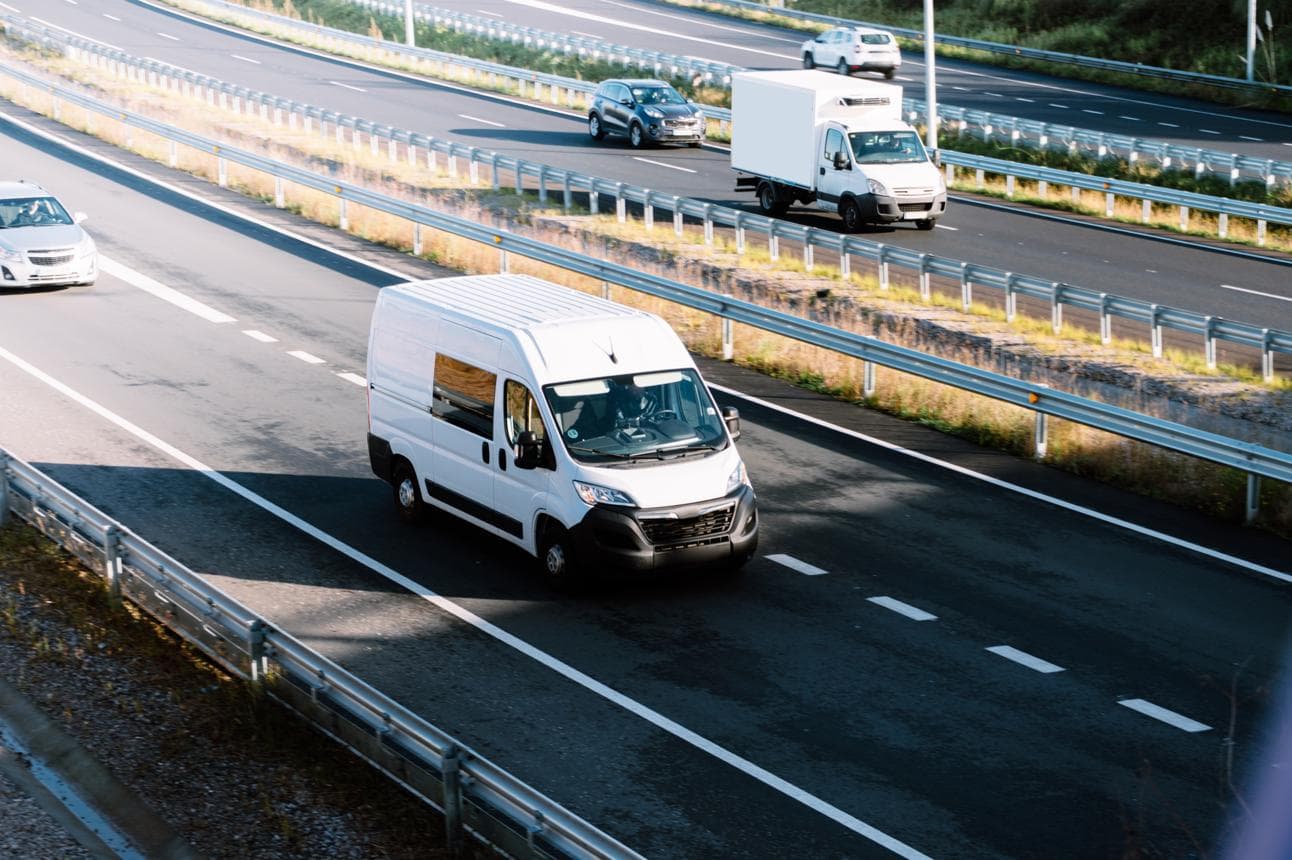
From that date, light commercial vehicles weighing between 2.5 and 3.5 tonnes and used in international carriage or cabotage must follow the same driving and rest-time limits that already govern heavy trucks. Drivers now face a daily ceiling of nine hours, stretchable to ten only twice a week.
Verona, a freight crossroads on the routes linking Italy to the Alpine passes, feels the change acutely. Logistics operators here run fleets of exactly the mid-sized vans that the rules now capture.
The reform closes a gap that critics long called unfair. Larger hauliers argued that rivals using sub-3.5-tonne vans dodged tachograph duties, rest breaks and the posting rules that protect drivers working far from home.
Tachographs sit at the heart of the shift. Affected vans must carry the digital recorders that log driving time, and enforcement officers can now read a small courier’s hours as easily as a long-haul trucker’s.
Posting rules add a second layer. A driver sent to work in another member state gains protections on pay and conditions, a change that operators say raises costs but that unions call overdue.
Small firms voice the loudest complaints. Fitting tachographs, retraining drivers and rebuilding schedules around mandatory breaks strains businesses that run on thin margins and tight delivery windows.
Safety advocates push back firmly. They point to fatigue as a killer on Europe’s roads and argue that a tired van driver poses the same danger as a tired trucker, so the same rest rules should apply.
The change dovetails with a broader transport agenda. A revised driving-licence directive, published last autumn, adds training on blind spots, driver-assistance systems and the risks that vehicles pose to cyclists and pedestrians.
Cross-border couriers feel the squeeze first. A parcel run from northern Italy into Austria or Germany now triggers the full rulebook, and dispatchers must plan routes around breaks they once ignored.
National transport ministries now scramble to align inspection regimes, since a van waved through in one country but stopped at the next border would expose exactly the uneven enforcement that critics fear.
Enforcement now falls to national inspectors, whose roadside checks will decide whether the rules bite evenly across the bloc or fray at borders where oversight thins. Operators in Verona expect a bumpy adjustment, but few doubt the direction of travel.