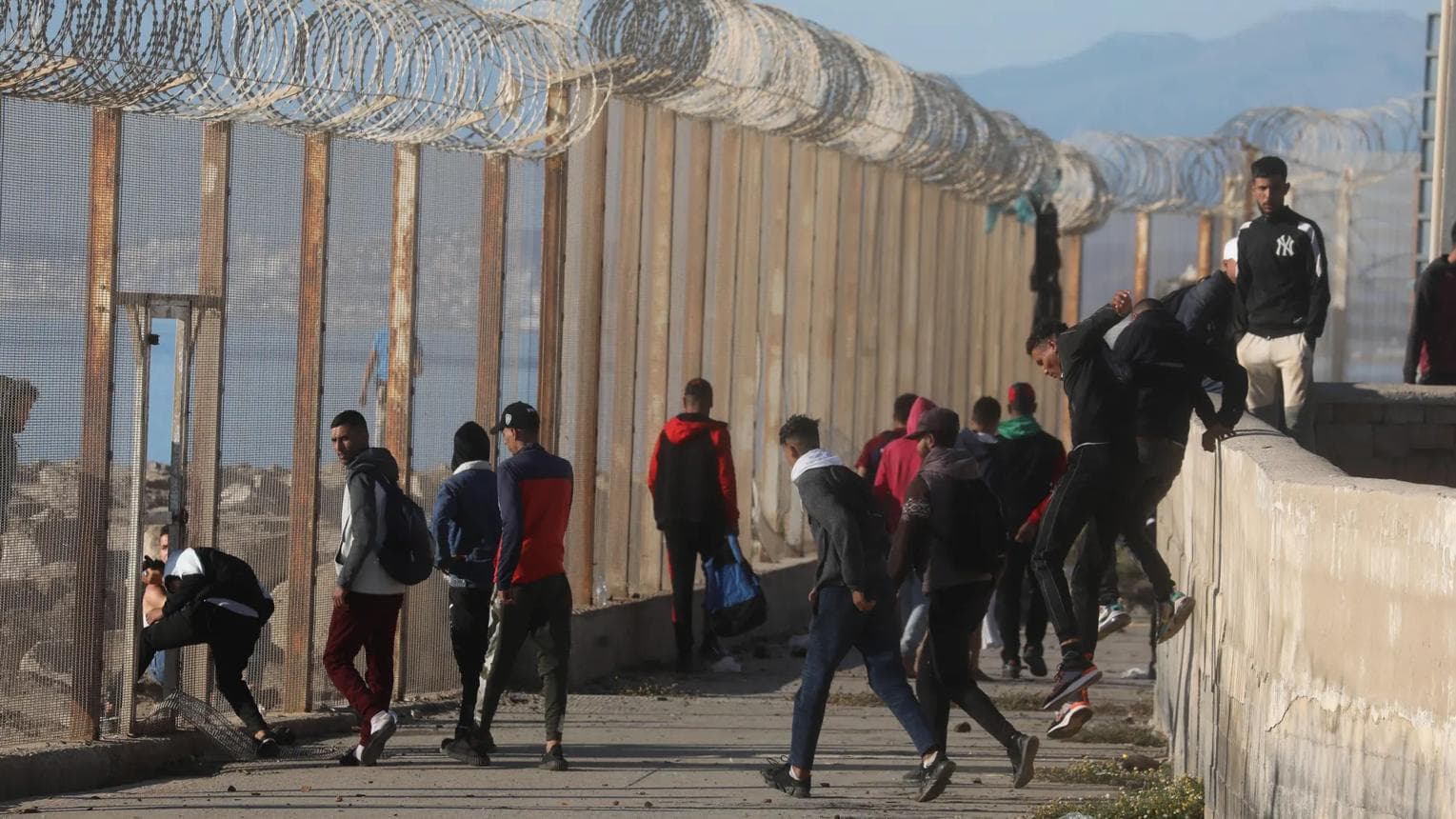
Faster migrant returns have jumped to the top of the European Union’s agenda after last week’s chaotic scenes at Ceuta, where roughly 72,000 people surged toward the Spanish exclave from Morocco in a matter of days.
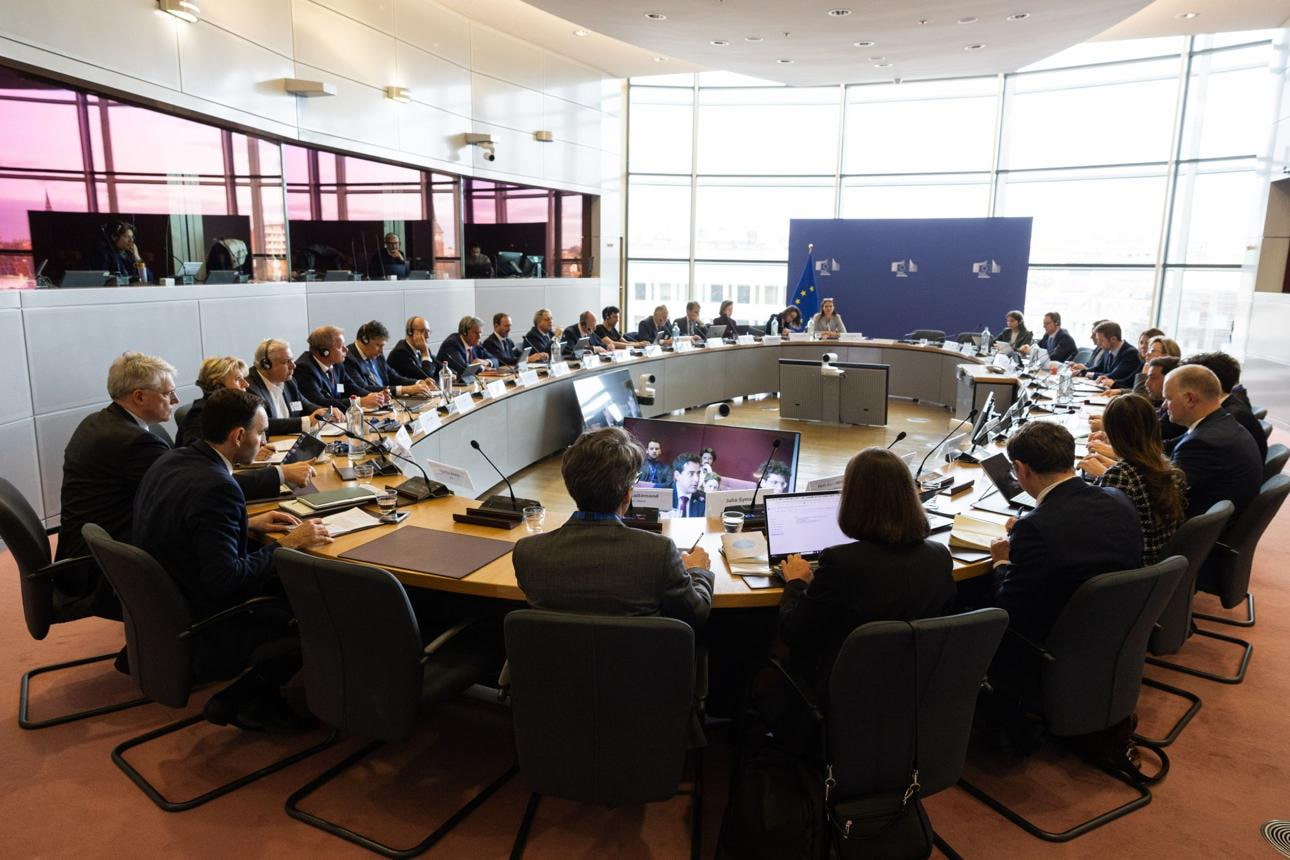
Home Affairs Commissioner Magnus Brunner told reporters after an emergency videoconference of interior ministers that the bloc had passed the Ceuta test, yet he pressed capitals to apply the new asylum and migration rules faster and to remove rejected applicants more quickly. You can read the commissioner’s remarks here.
Money moved first. The Commission confirmed it is discussing extra financial support for Madrid at full speed, and Spain has already secured an additional 114 million euros in emergency assistance to cover reception, screening and security along the frontier. Officials also signalled that further help could follow.
Agencies carry much of the operational load. Frontex, the European Border and Coast Guard Agency, has offered officers and equipment, while the European Union Agency for Asylum helps Spain register and process arrivals so that genuine claims and quick returns move on separate tracks.
The crisis lands as the bloc finishes wiring up its Pact on Migration and Asylum, the sprawling package that member states must apply from mid-2026. Brussels wants the pact’s faster border procedures and its solidarity mechanism to prove themselves in exactly this kind of moment.
Diplomats read the Morocco angle as the sharper worry. Several ministers argued that Rabat let the crossings build as leverage, a tactic the Commission calls the instrumentalisation of migrants. That framing matters, because the pact gives capitals extra legal room to tighten procedures when a neighbour weaponises people at the border.
Returns remain the weak link. Fewer than one in five people ordered to leave the Union actually departs, and Brunner used the Ceuta shock to push his wider migration strategy, which would let one member state enforce another’s expulsion order and set up return hubs outside the bloc.
Not everyone in Brussels welcomes the harder line. Rights groups warn that speeding up removals can trample the individual assessments that EU and international law demand, and several members of the Parliament want firmer guarantees before the returns file clears committee this autumn.
For now the numbers at Ceuta have eased, the fencing has held and the ministers have gone home. The harder test is whether the pact can turn a week of emergency videoconferences into a system that works before the next surge arrives.