A drone wall along the Union’s eastern edge has moved from slogan to procurement plan, and Brussels now says it wants the first pieces working before this year is out.
The Commission has placed a counter-drone shield and a border-fortification scheme among four flagship defence projects meant to leave Europe able to defend itself by 2030. You can see the outline of the flagship proposals here.
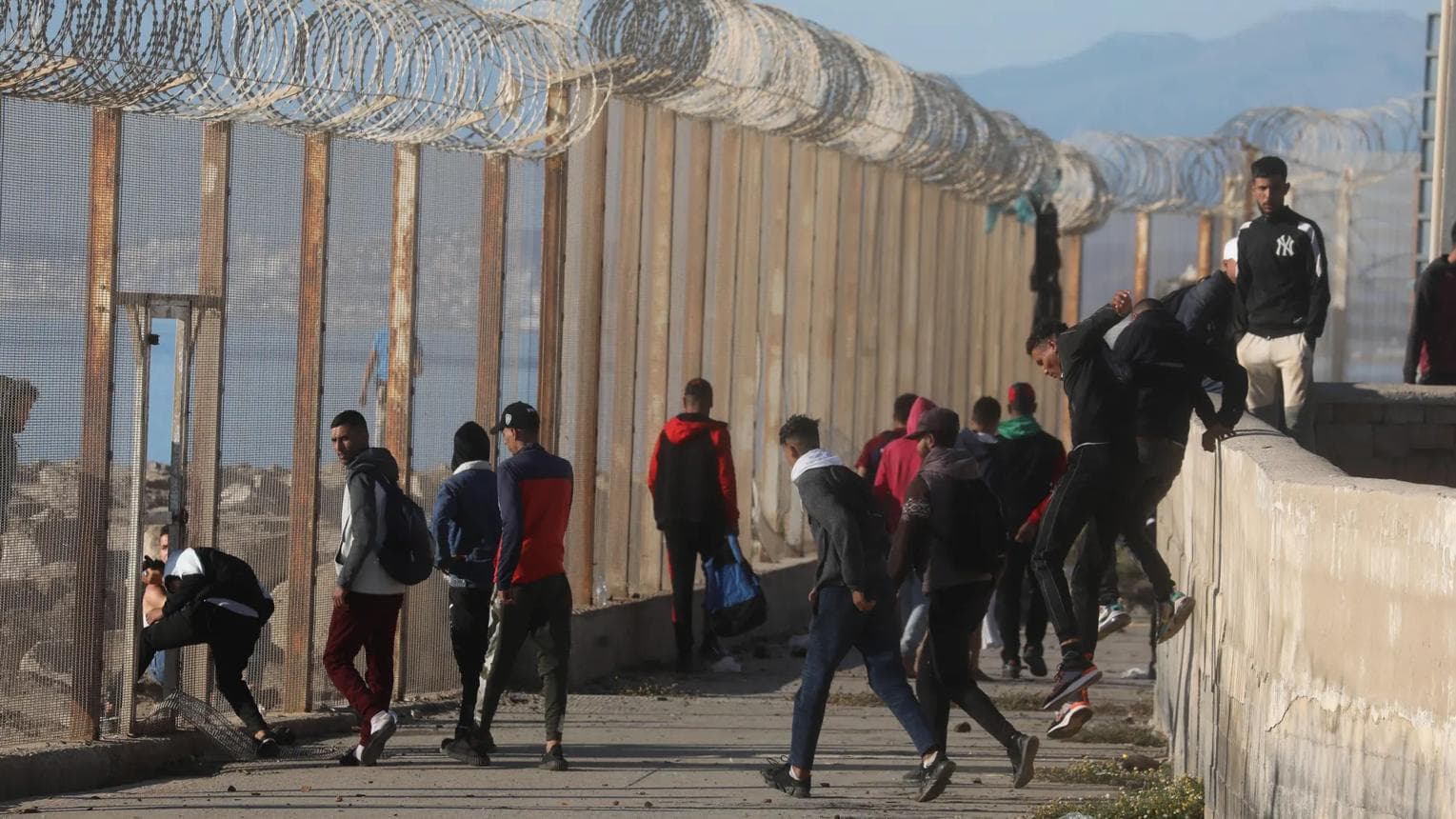
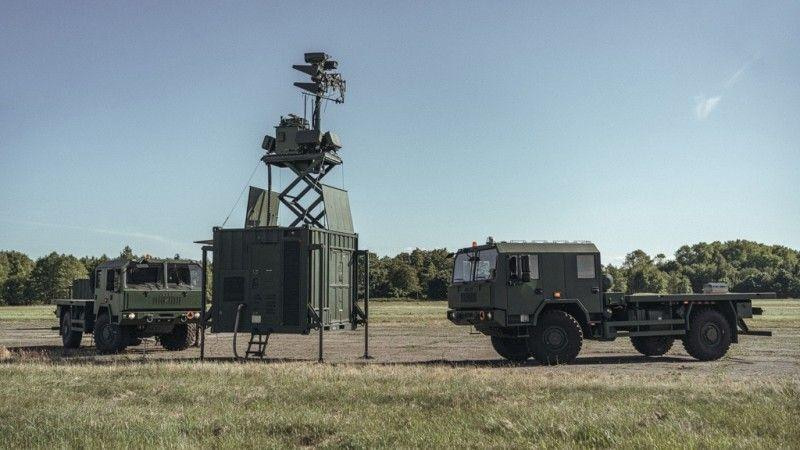
Two of them carry real urgency. The European Drone Defence Initiative, still widely called the drone wall, would knit sensors, jammers and interceptors into a layer that can spot and stop cheap unmanned aircraft. Eastern Flank Watch would fortify the bloc’s borders across land, air and sea.
The timeline is deliberately tight. Officials want the drone initiative to reach an initial operating capability by the end of 2026 and full function by the end of 2027, while Eastern Flank Watch aims for full readiness by 2028.
Repeated incursions drove the sense of alarm. A string of drone sightings over airports, military sites and border zones, many of them blamed on Russia, pushed the file up the agenda and turned a long-discussed concept into a headline commitment. EU leaders vowed to move fast after those episodes.
Money and coordination remain the sticking points. The projects lean on shared EU funding and on defence loans that member states are still arguing over, and frontline states from Finland to Poland want command of the systems that will guard their own soil.
Industry stands to gain. European drone makers, radar firms and electronic-warfare specialists see a rare chance at guaranteed demand, and the Commission wants the money to flow to producers inside the Union rather than to imports.
Sceptics raise familiar doubts. Some capitals question whether a Brussels-badged flagship adds much to national air defence already run through NATO, and others worry that a rushed rollout buys equipment that a fast-moving drone threat will outpace.
The plan also feeds a larger argument about how Europe pays for defence. The flagships sit alongside the bloc’s new joint-borrowing tools and a push to spend more of the budget on weapons made at home, and success here would strengthen the Commission’s case that Brussels, not just national capitals, should help drive rearmament.
The next months will show whether the ambition survives contact with budgets. If even a first slice of the drone wall switches on by December, Brussels will point to it as proof that Europe can build hard capability at speed rather than merely draft strategies about it.