Brussels: A continent-wide push for nature restoration reaches its first hard test this September, when every EU member state must hand the Commission a draft national plan showing how it will heal damaged land, rivers and seas.
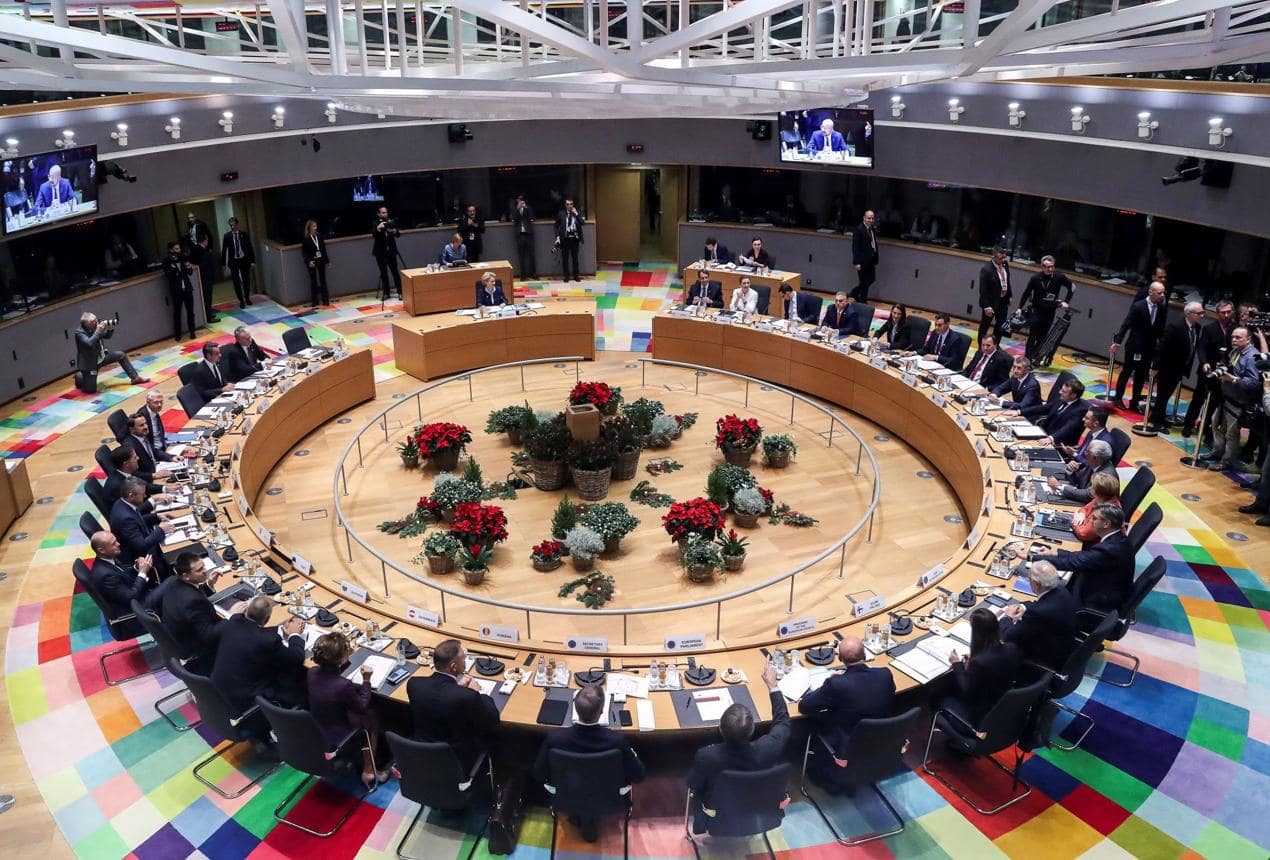
The deadline flows from Regulation 2024/1991, the Nature Restoration Law, which the Council adopted in June 2024 after one of the most bruising environmental fights of the last Parliament. The rules set binding targets and force governments to spell out measures, funding and governance running all the way to 2050.
Each capital must submit its draft National Restoration Plan by 1 September 2026 and a final version a year later. The plans have to name restoration priorities, list funding sources and estimate the benefits of every project, from rewetted peatlands to reconnected floodplains. The Commission published the full text on EUR-Lex.
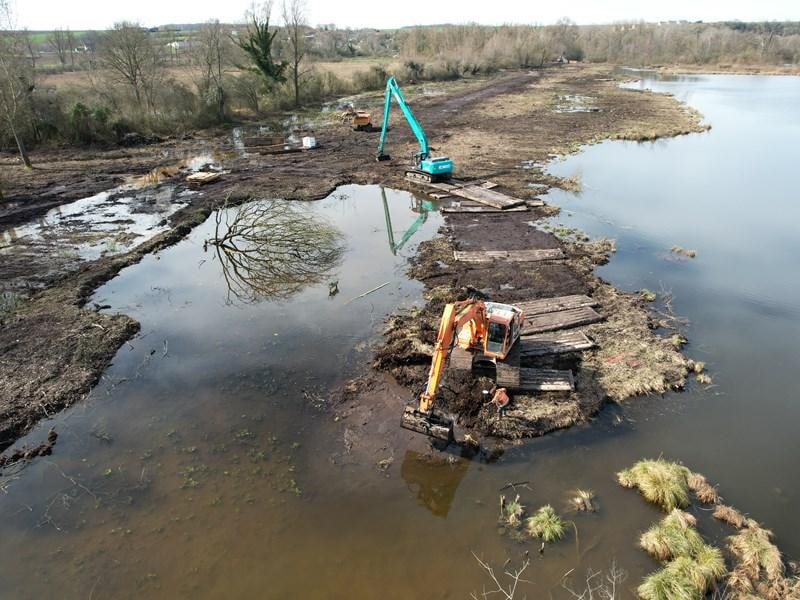
The headline targets are steep. Member states must restore at least 30 percent of degraded habitats by 2030, rising to 60 percent by 2040 and 90 percent by 2050. A separate water target commits governments to reopen 25,000 kilometres of free-flowing rivers by 2030 by pulling out obsolete dams, weirs and culverts.
Brussels has kept a role at every stage. The Commission will assess each draft within six months and send back observations, after which governments get another six months to respond. Officials frame the review as a way to catch weak plans early rather than police them after the damage is done, a point echoed in the Commission’s restoration guidance.
The money question looms over everything. The law does not create a dedicated fund, so governments must stitch together financing from farm subsidies, cohesion money and national budgets already stretched thin. Environmental groups warn that plans without hard figures will amount to little more than paperwork.
Ecologists also stress the biodiversity stakes. Europe has lost wetlands, meadows and healthy fish stocks at a pace that threatens food chains and flood defences alike, and the law is the first attempt to reverse that decline at scale rather than merely slow it. The coming plans will reveal whether governments treat restoration as a legal chore or a genuine chance to rebuild the natural systems their economies quietly depend on.
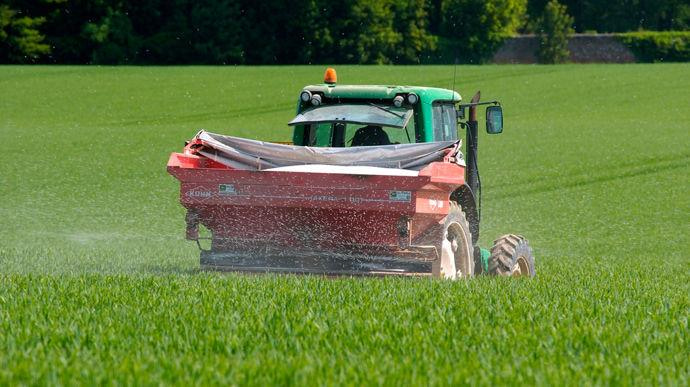
Farm groups still bristle at the law, warning that restoration could pull productive land out of use and squeeze rural incomes. Conservationists answer that healthy soils, pollinators and rivers underpin farming itself, and that delay only raises the eventual bill.
The September plans will show which argument is winning inside each capital. Governments that arrive with detailed maps, real money and clear timelines will signal they mean to deliver, while thin or vague drafts will invite Commission pushback and fresh political rows over how far Europe should go to repair its own ecosystems.