A brutal run of summer heat has forced the European Commission’s crop monitors to cut their harvest forecast for nearly every major crop grown across the bloc, a downgrade that points to thinner supplies and firmer prices heading into autumn. The Commission’s MARS service now expects yields to fall well below what fields promised only weeks ago, and it warns the numbers could slide further if the dry spell drags on into September.
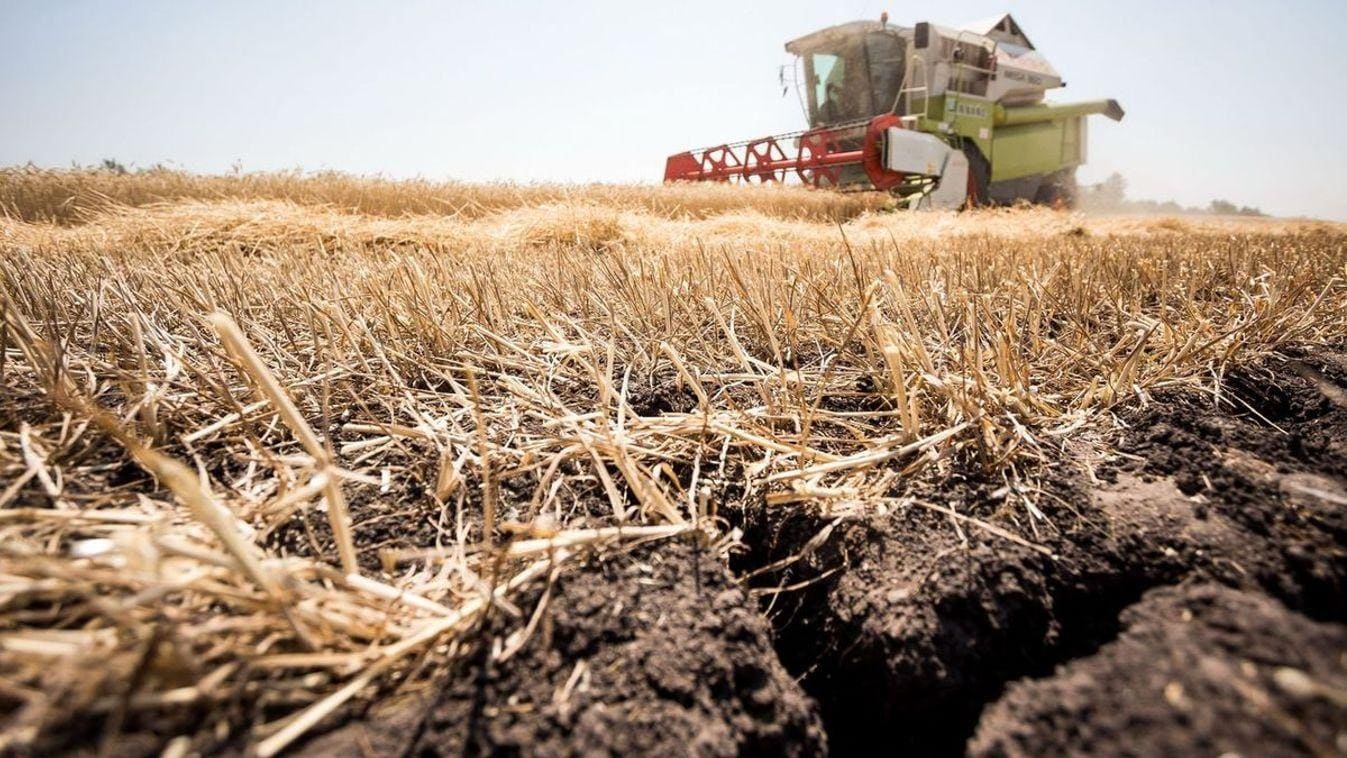
Soft wheat, the workhorse grain of the European Union, sits at the centre of the damage. MARS puts the average yield at 5.88 tonnes per hectare, roughly 7% under last year’s result and below the five-year norm. Grain maize has taken an even sharper knock, dropping to 6.93 tonnes per hectare as plants withered through the crucial pollination window. Sunflowers tell the same story, with the projected yield of 1.94 tonnes per hectare marking a 7% cut from the estimate issued in June alone.
The mechanism behind the losses is straightforward. Successive heatwaves shortened the grain-filling phase, so kernels stopped bulking up before they reached full weight. Southern regions rushed their harvest as crops ripened prematurely, and growers there now count both a smaller volume and poorer quality in the barn. The Joint Research Centre flagged the same pattern in its latest crop monitoring bulletin, noting that western Europe bore the worst of the stress.
Farmers have fought the weather with every tool they own, shifting sowing dates, switching to hardier varieties and stretching scarce irrigation water as far as it will go. Even so, the drought has outpaced their adaptations. Growers from Dutch potato fields to Balkan cornfields report crops that simply ran out of moisture at the moment they needed it most, and many describe this season as the hardest they can remember.
The economic shadow reaches beyond the farm gate. Analysts at one sustainability-focused Dutch bank estimate that this year’s heat and drought could shave close to a full percentage point off EU output, a hit worth something in the order of 180 billion euros once knock-on effects on transport, energy and food processing are counted. Thinner cereal stocks also complicate the bloc’s export commitments and feed straight into the cost of animal feed, which ripples through meat and dairy prices.
For policymakers the timing is awkward. Ministers are already wrestling over how the next Common Agricultural Policy should share out support, and a poor harvest sharpens every argument about crisis reserves, risk insurance and the money set aside for weather shocks. Traders, meanwhile, will watch the coming MARS updates closely, because another downward revision would tighten a market that has little slack left. The Commission’s own agriculture service has signalled that food supply remains secure for now, yet the message from the fields is unmistakable. A warming climate is rewriting Europe’s growing season, and the harvest forecast has become one of the clearest gauges of the cost.