Budapest: Hungary has until 31 August 2026 to complete the reforms that would release its frozen funds under the Recovery and Resilience Facility, a package worth 10.4 billion euros that the European Commission has refused to extend beyond the summer deadline.
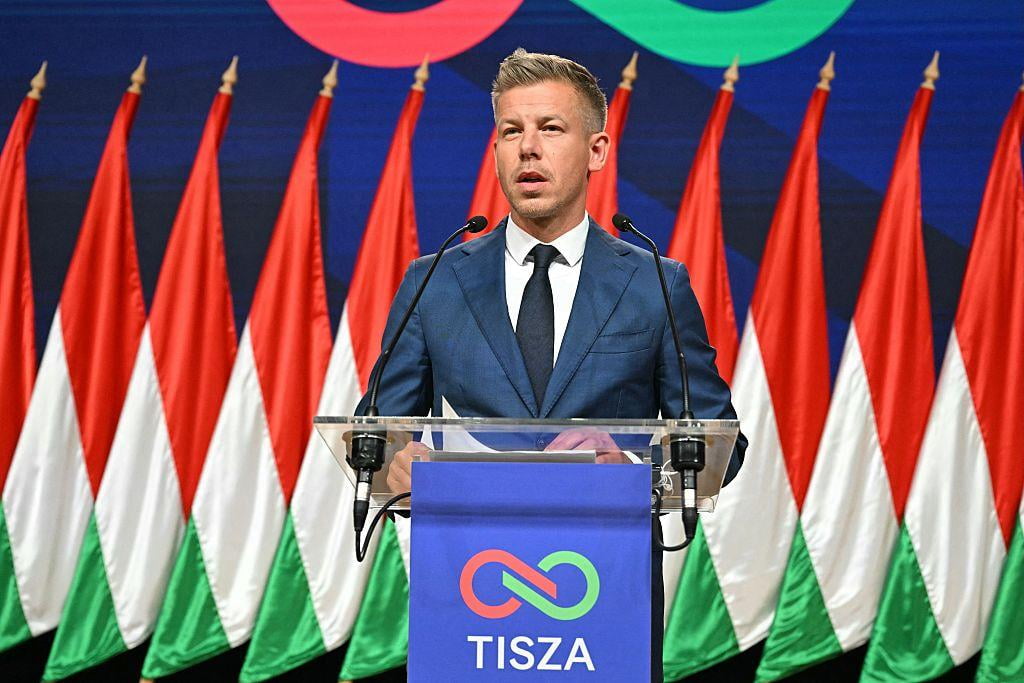
The new government formed by Péter Magyar’s Tisza party after its victory in the 12 April parliamentary election inherited a file that had barely moved for three years. Brussels froze the money over judicial independence, public procurement and conflict-of-interest rules, and the reforms attached to it never cleared the Commission’s assessment under Viktor Orbán.
Twenty-seven so-called supermilestones sit at the centre of the file. Each covers a distinct rule-of-law commitment, from strengthening the judiciary to tightening oversight of public spending, and every one must be verifiably delivered before payments flow.
Commission officials have said they could simplify some milestones, but they have ruled out any extension of the 31 August deadline.
The money splits into 6.5 billion euros in grants and 3.9 billion in loans, together worth about 5 percent of Hungarian output. Officials in Brussels have privately encouraged the new administration to concentrate on the grant component and to let part of the loan package lapse, judging that the full sum can no longer be secured in the weeks remaining.
Tisza campaigned on recovering exactly these frozen funds. Magyar promised anti-corruption legislation, Hungarian accession to the European Public Prosecutor’s Office and completion of the milestone list, and he presented the frozen funds as the fastest route to easing a budget squeezed by weak growth.
Governing has complicated that pledge. Magyar has resisted parts of the pension and tax reforms the Commission wants attached to the package, arguing that they impose costs his voters did not agree to, and the negotiation has consumed weeks that the calendar does not allow.
The state of play is unusually precise for an EU funding dispute:
- Total facility: 10.4 billion euros, split between 6.5 billion in grants and 3.9 billion in loans
- Deadline for completing all targets: 31 August 2026
- Rule-of-law supermilestones outstanding: 27
- Hungary joined the EU’s Article 7 procedure list in 2018, and the file remains open
The deadline binds every member state, not only Hungary. The facility was designed as a temporary instrument financed by joint borrowing, and its legal base sets a common end date for spending. Granting Budapest more time would require reopening a regulation that twenty-six other capitals have already worked around.
Hungary’s own delegation briefed Council colleagues this summer on where the Article 7 proceedings stand, the first such update to signal cooperation rather than confrontation. Diplomats read it as a genuine change of direction, though one arriving late in a process measured in years.
The Commission published its 2026 rule of law country chapter on Hungary in July, recording progress on some judicial questions while flagging continuing weaknesses in media pluralism and in the independence of oversight bodies.
Details of the plan, including the milestone schedule and payment structure, sit on the Commission’s page on Hungary’s recovery and resilience plan, which shows how little of the envelope has been disbursed.
What happens after 31 August will shape the argument over the next long-term budget. If a reforming government still loses most of its allocation, the case that conditionality changes behaviour weakens considerably, and capitals that resisted linking money to rule-of-law tests will say the instrument punished Hungarian citizens for a government they voted out.