August 22, 2026
LATEST
What the EU Taiwan Framework Would Actually Have to DoKorea Signed a Digital Trade Deal That Nobody Has RatifiedCritical Minerals in Mongolia Still Have to Cross Two BordersCan an Indonesia Trade Deal Survive Two Years of RatifyingCross-Border Data Orders Went Live Before the Plumbing DidPlatform Work Rules Take Effect in December and Few Are ReadyCan Europe’s Firefighting Fleet Keep Pace With EU WildfiresThe AI Act Deadline Passed on 2 August and Nothing BitWhy Construction Keeps Shrinking While Confidence ImprovesAccession Talks Stall Again and September 1 Is the TestBrussels Applied a Trade Deal It Cannot Yet RatifyAfrica’s Power Market Now Needs Money More Than BlueprintsLong-Term Budget Talks Enter Autumn Without a Council LineForeign Subsidies Enforcement Now Turns on a Dublin RaidWho Writes Europe’s Telecom Rules Once Copper DisappearsDisability Cards Exist on Paper and Nowhere Else Until 2028Losing Visa-Free Travel Now Takes a Thirty Percent SwingTwenty Flagship Actions Will Test Whether the Culture Compass WorksEurope’s Quality Jobs Act Now Rests on What Unions Do by SeptemberDoes a Three Euro Parcel Duty Change Anything About Cheap ImportsWhat the EU Taiwan Framework Would Actually Have to DoKorea Signed a Digital Trade Deal That Nobody Has RatifiedCritical Minerals in Mongolia Still Have to Cross Two BordersCan an Indonesia Trade Deal Survive Two Years of RatifyingCross-Border Data Orders Went Live Before the Plumbing DidPlatform Work Rules Take Effect in December and Few Are ReadyCan Europe’s Firefighting Fleet Keep Pace With EU WildfiresThe AI Act Deadline Passed on 2 August and Nothing BitWhy Construction Keeps Shrinking While Confidence ImprovesAccession Talks Stall Again and September 1 Is the TestBrussels Applied a Trade Deal It Cannot Yet RatifyAfrica’s Power Market Now Needs Money More Than BlueprintsLong-Term Budget Talks Enter Autumn Without a Council LineForeign Subsidies Enforcement Now Turns on a Dublin RaidWho Writes Europe’s Telecom Rules Once Copper DisappearsDisability Cards Exist on Paper and Nowhere Else Until 2028Losing Visa-Free Travel Now Takes a Thirty Percent SwingTwenty Flagship Actions Will Test Whether the Culture Compass WorksEurope’s Quality Jobs Act Now Rests on What Unions Do by SeptemberDoes a Three Euro Parcel Duty Change Anything About Cheap Imports
August 22, 2026
LATEST
What the EU Taiwan Framework Would Actually Have to DoKorea Signed a Digital Trade Deal That Nobody Has RatifiedCritical Minerals in Mongolia Still Have to Cross Two BordersCan an Indonesia Trade Deal Survive Two Years of RatifyingCross-Border Data Orders Went Live Before the Plumbing DidPlatform Work Rules Take Effect in December and Few Are ReadyCan Europe’s Firefighting Fleet Keep Pace With EU WildfiresThe AI Act Deadline Passed on 2 August and Nothing BitWhy Construction Keeps Shrinking While Confidence ImprovesAccession Talks Stall Again and September 1 Is the TestBrussels Applied a Trade Deal It Cannot Yet RatifyAfrica’s Power Market Now Needs Money More Than BlueprintsLong-Term Budget Talks Enter Autumn Without a Council LineForeign Subsidies Enforcement Now Turns on a Dublin RaidWho Writes Europe’s Telecom Rules Once Copper DisappearsDisability Cards Exist on Paper and Nowhere Else Until 2028Losing Visa-Free Travel Now Takes a Thirty Percent SwingTwenty Flagship Actions Will Test Whether the Culture Compass WorksEurope’s Quality Jobs Act Now Rests on What Unions Do by SeptemberDoes a Three Euro Parcel Duty Change Anything About Cheap ImportsWhat the EU Taiwan Framework Would Actually Have to DoKorea Signed a Digital Trade Deal That Nobody Has RatifiedCritical Minerals in Mongolia Still Have to Cross Two BordersCan an Indonesia Trade Deal Survive Two Years of RatifyingCross-Border Data Orders Went Live Before the Plumbing DidPlatform Work Rules Take Effect in December and Few Are ReadyCan Europe’s Firefighting Fleet Keep Pace With EU WildfiresThe AI Act Deadline Passed on 2 August and Nothing BitWhy Construction Keeps Shrinking While Confidence ImprovesAccession Talks Stall Again and September 1 Is the TestBrussels Applied a Trade Deal It Cannot Yet RatifyAfrica’s Power Market Now Needs Money More Than BlueprintsLong-Term Budget Talks Enter Autumn Without a Council LineForeign Subsidies Enforcement Now Turns on a Dublin RaidWho Writes Europe’s Telecom Rules Once Copper DisappearsDisability Cards Exist on Paper and Nowhere Else Until 2028Losing Visa-Free Travel Now Takes a Thirty Percent SwingTwenty Flagship Actions Will Test Whether the Culture Compass WorksEurope’s Quality Jobs Act Now Rests on What Unions Do by SeptemberDoes a Three Euro Parcel Duty Change Anything About Cheap Imports

Estonia’s First SAFE Cheque Tests Europe’s Rearmament Machine

The European Union spent two years arguing about how to pay for its own rearmament. This week the argument turned into a bank transfer. The European Commission released 351.6 million euros to Estonia on 12 August, the first pre-financing payment made under Security Action for Europe, the 150 billion euro loan instrument that member states endorsed to close their most glaring capability gaps.

The sum represents 15 percent of Estonia’s total allocation of 2.3 billion euros. Tallinn asked for one of the largest per-capita packages in the scheme, a decision that looks less dramatic once you place the country roughly two hundred kilometres from Russian armoured formations. The Commission confirmed the disbursement in its defence and space directorate announcement, framing the money as pre-financing that lets Estonia accelerate procurement rather than wait for contracts to mature.

Brussels officials have reason to advertise the moment. SAFE loans exist because national treasuries could not, or would not, fund ammunition lines and air defence batteries at the speed the Baltic and Nordic capitals demanded. The instrument borrows on capital markets against the EU budget headroom, then lends onward at rates most member states could never obtain alone. Eighteen countries requested at least 127 billion euros between them, and the Council cleared their national plans in waves between February and April.

What matters now is whether the money buys equipment or merely buys time. SAFE carries eligibility rules that push spending toward European supply chains, with joint procurement encouraged and a limited share allowed for components sourced outside the bloc. Those rules were the hardest part of the negotiation, and they remain the part most likely to disappoint. A defence industry that has spent three decades optimised for small, bespoke national orders cannot absorb a sudden wall of demand simply because the financing arrived.

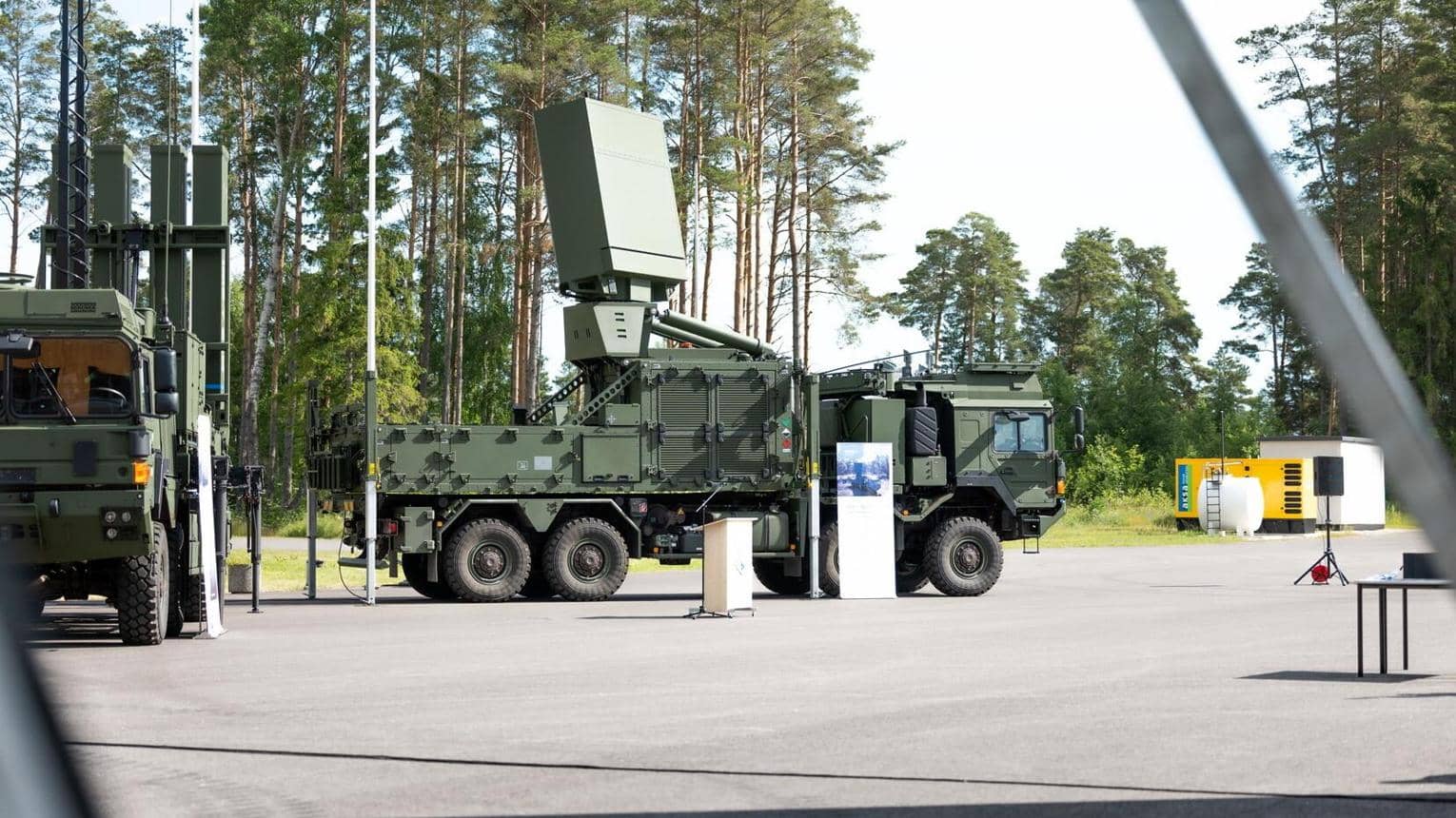
Estonia’s own plan concentrates on ammunition stocks, air defence and ground combat systems, categories where European production capacity is expanding but still constrained. Order books at the larger primes stretch years into the future. The Commission’s own industrial programme, running alongside SAFE with 1.5 billion euros in grants, exists precisely to widen those bottlenecks, though grants of that size look modest next to loans of 150 billion.

There is also the small matter of repayment. SAFE money is debt, not a transfer, and the maturities run long enough that the political leaders signing today will not be in office when the bills fall due. Countries with tighter fiscal positions face a genuine trade-off between borrowing for tanks and borrowing for everything else. The scheme’s defenders answer that deterrence purchased now costs less than reconstruction purchased later, an argument that carries more weight in Tallinn than in Lisbon.

The first payment settles one question and opens another. Europe has proved it can move cash quickly when the political will exists, which was never guaranteed given how long the bloc resisted common borrowing for anything military. Whether that cash converts into delivered capability by the end of the decade depends on factories, not finance ministries.

Seventeen more member states are queuing behind Estonia for their own first tranches over the coming months. Each disbursement will be treated in Brussels as evidence that the machine works. The more honest test arrives in 2028, when auditors compare what was borrowed against what was actually built.