August 22, 2026
LATEST
What the EU Taiwan Framework Would Actually Have to DoKorea Signed a Digital Trade Deal That Nobody Has RatifiedCritical Minerals in Mongolia Still Have to Cross Two BordersCan an Indonesia Trade Deal Survive Two Years of RatifyingCross-Border Data Orders Went Live Before the Plumbing DidPlatform Work Rules Take Effect in December and Few Are ReadyCan Europe’s Firefighting Fleet Keep Pace With EU WildfiresThe AI Act Deadline Passed on 2 August and Nothing BitWhy Construction Keeps Shrinking While Confidence ImprovesAccession Talks Stall Again and September 1 Is the TestBrussels Applied a Trade Deal It Cannot Yet RatifyAfrica’s Power Market Now Needs Money More Than BlueprintsLong-Term Budget Talks Enter Autumn Without a Council LineForeign Subsidies Enforcement Now Turns on a Dublin RaidWho Writes Europe’s Telecom Rules Once Copper DisappearsDisability Cards Exist on Paper and Nowhere Else Until 2028Losing Visa-Free Travel Now Takes a Thirty Percent SwingTwenty Flagship Actions Will Test Whether the Culture Compass WorksEurope’s Quality Jobs Act Now Rests on What Unions Do by SeptemberDoes a Three Euro Parcel Duty Change Anything About Cheap ImportsWhat the EU Taiwan Framework Would Actually Have to DoKorea Signed a Digital Trade Deal That Nobody Has RatifiedCritical Minerals in Mongolia Still Have to Cross Two BordersCan an Indonesia Trade Deal Survive Two Years of RatifyingCross-Border Data Orders Went Live Before the Plumbing DidPlatform Work Rules Take Effect in December and Few Are ReadyCan Europe’s Firefighting Fleet Keep Pace With EU WildfiresThe AI Act Deadline Passed on 2 August and Nothing BitWhy Construction Keeps Shrinking While Confidence ImprovesAccession Talks Stall Again and September 1 Is the TestBrussels Applied a Trade Deal It Cannot Yet RatifyAfrica’s Power Market Now Needs Money More Than BlueprintsLong-Term Budget Talks Enter Autumn Without a Council LineForeign Subsidies Enforcement Now Turns on a Dublin RaidWho Writes Europe’s Telecom Rules Once Copper DisappearsDisability Cards Exist on Paper and Nowhere Else Until 2028Losing Visa-Free Travel Now Takes a Thirty Percent SwingTwenty Flagship Actions Will Test Whether the Culture Compass WorksEurope’s Quality Jobs Act Now Rests on What Unions Do by SeptemberDoes a Three Euro Parcel Duty Change Anything About Cheap Imports
August 22, 2026
LATEST
What the EU Taiwan Framework Would Actually Have to DoKorea Signed a Digital Trade Deal That Nobody Has RatifiedCritical Minerals in Mongolia Still Have to Cross Two BordersCan an Indonesia Trade Deal Survive Two Years of RatifyingCross-Border Data Orders Went Live Before the Plumbing DidPlatform Work Rules Take Effect in December and Few Are ReadyCan Europe’s Firefighting Fleet Keep Pace With EU WildfiresThe AI Act Deadline Passed on 2 August and Nothing BitWhy Construction Keeps Shrinking While Confidence ImprovesAccession Talks Stall Again and September 1 Is the TestBrussels Applied a Trade Deal It Cannot Yet RatifyAfrica’s Power Market Now Needs Money More Than BlueprintsLong-Term Budget Talks Enter Autumn Without a Council LineForeign Subsidies Enforcement Now Turns on a Dublin RaidWho Writes Europe’s Telecom Rules Once Copper DisappearsDisability Cards Exist on Paper and Nowhere Else Until 2028Losing Visa-Free Travel Now Takes a Thirty Percent SwingTwenty Flagship Actions Will Test Whether the Culture Compass WorksEurope’s Quality Jobs Act Now Rests on What Unions Do by SeptemberDoes a Three Euro Parcel Duty Change Anything About Cheap ImportsWhat the EU Taiwan Framework Would Actually Have to DoKorea Signed a Digital Trade Deal That Nobody Has RatifiedCritical Minerals in Mongolia Still Have to Cross Two BordersCan an Indonesia Trade Deal Survive Two Years of RatifyingCross-Border Data Orders Went Live Before the Plumbing DidPlatform Work Rules Take Effect in December and Few Are ReadyCan Europe’s Firefighting Fleet Keep Pace With EU WildfiresThe AI Act Deadline Passed on 2 August and Nothing BitWhy Construction Keeps Shrinking While Confidence ImprovesAccession Talks Stall Again and September 1 Is the TestBrussels Applied a Trade Deal It Cannot Yet RatifyAfrica’s Power Market Now Needs Money More Than BlueprintsLong-Term Budget Talks Enter Autumn Without a Council LineForeign Subsidies Enforcement Now Turns on a Dublin RaidWho Writes Europe’s Telecom Rules Once Copper DisappearsDisability Cards Exist on Paper and Nowhere Else Until 2028Losing Visa-Free Travel Now Takes a Thirty Percent SwingTwenty Flagship Actions Will Test Whether the Culture Compass WorksEurope’s Quality Jobs Act Now Rests on What Unions Do by SeptemberDoes a Three Euro Parcel Duty Change Anything About Cheap Imports

Everything the Tax Omnibus Removes Still Needs Unanimous Council Votes

Eindhoven: A Dutch machine-builder that pays royalties to its Belgian sister company still files withholding tax claims in two administrations and waits months for a refund. The tax omnibus the European Commission adopted on 24 June 2026 sets out to abolish that friction, and twenty-seven finance ministers will decide whether it survives.

The Commission put two proposals on the table that day: a direct taxation omnibus and a full recast of the Directive on Administrative Cooperation. Together they promise roughly 7.9 billion euros a year in lower compliance costs. Commissioner Valdis Dombrovskis put the annual administrative saving alone at 3.3 billion euros and counted the package as almost half of the mandate’s simplification target.

The headline measure abolishes withholding taxes on cross-border payments of dividends, interest and royalties between companies inside the Union. Tax directors have complained about that barrier for two decades. The Commission also widens the Parent-Subsidiary Directive to cover pension institutions, which will collect dividends from other member states without the exemption paperwork they file today.

The rest of the tax omnibus reads like a list of grievances industry has repeated in every consultation since the anti-avoidance directive landed. Brussels wants full and immediate expensing for research-related tangible assets in all member states. It untangles controlled foreign company rules from the fifteen percent global minimum tax, removing duplicate calculations. It raises the de minimis threshold in the interest limitation rule and carves out low-risk third-party borrowing. It extends the merger directive to every form of corporate reorganisation recognised in EU company law.

The DAC recast does the quieter work. It folds nine directives into one instrument and cuts reporting on cross-border arrangements for roughly 3,000 multinational groups already inside Pillar Two, worth 300 million euros a year. Raising the reporting threshold for online sales lifts obligations from more than ten million sellers, most of them private individuals shifting second-hand goods, and saves platforms an estimated 678 million euros. The Commission published the detail in its tax simplification package announcement.

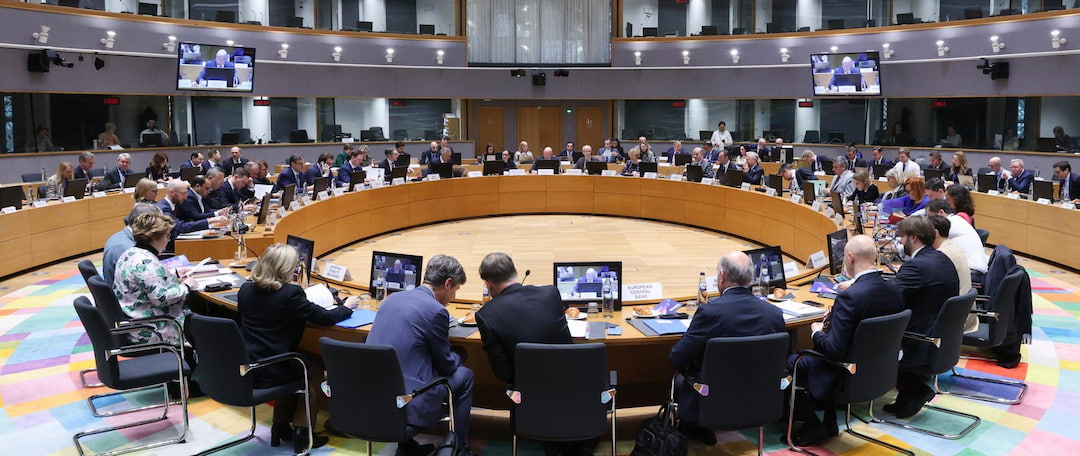
Then comes the hard part. Direct taxation still runs on Article 115, so the Council adopts by unanimity and the European Parliament only gets consulted. Every finance ministry that currently collects withholding tax on outbound dividends will look at the revenue line before it weighs the competitiveness argument. Smaller economies that host holding structures have blocked less ambitious files than this one.

Tax administrations will also push back on parts of the DAC recast. Cutting reporting obligations reduces burden for business, but national inspectors argue that the same data feeds their risk-scoring systems. The Commission answers that the deleted categories showed limited added value, and it strengthens the framework elsewhere by making exchange mandatory across all categories of income and capital, alongside a new taxpayer identification tool. The DAC framework pages set out what the nine existing layers cover.

Business groups welcomed the package quickly. BusinessEurope called it a major step for competitiveness. That reception matters less than the first working party discussions in Council this autumn, where delegations will start marking their reservations line by line.

The realistic question is not whether the ideas are sound. It is whether a file requiring unanimity can clear the Council before the mandate runs down, and whether ministers keep the withholding tax abolition intact or trade it for a long transition. The engineering firm in Eindhoven files in two countries until they answer.