A single scientific recommendation now sits in front of twenty-seven health ministries, and each one will decide separately what to do with it.
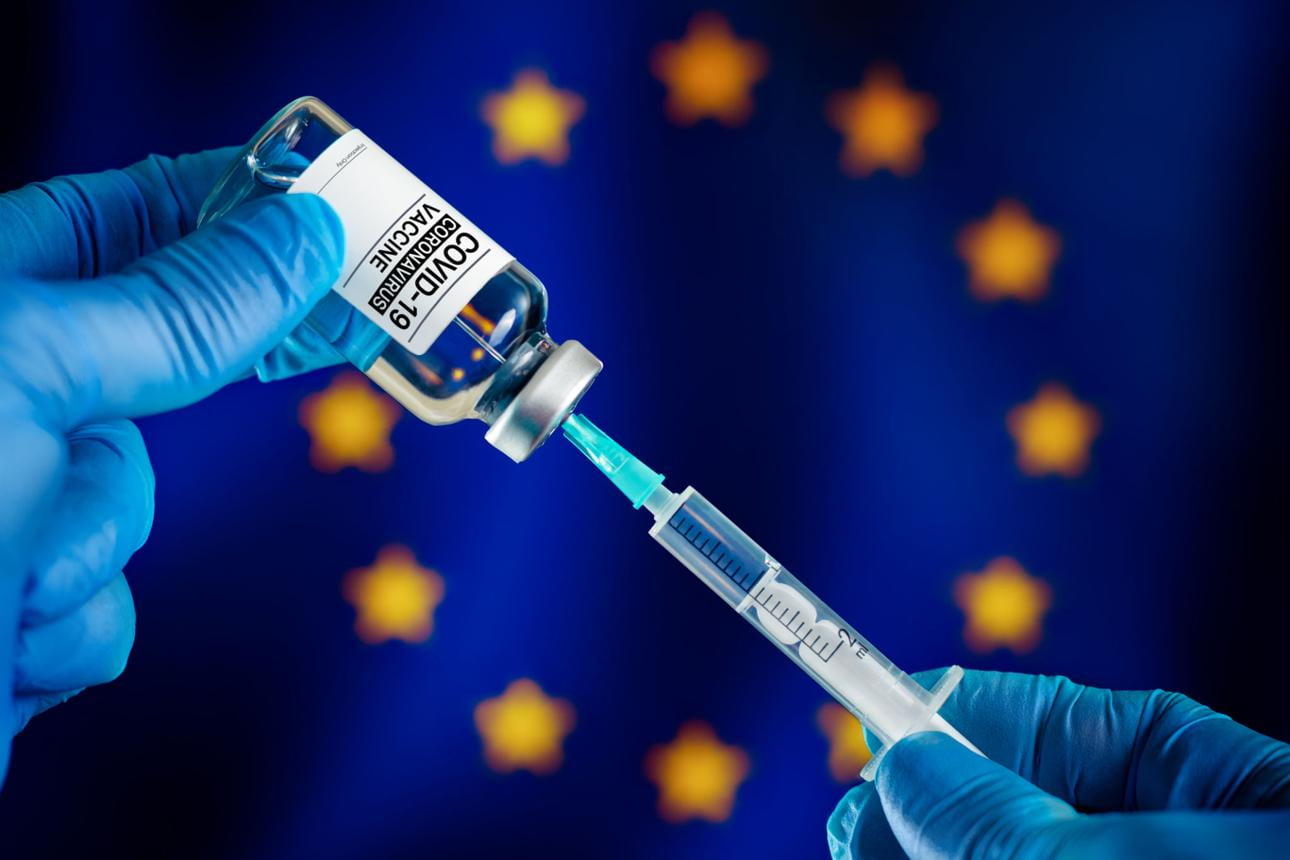
The European Medicines Agency’s Emergency Task Force recommended that manufacturers update COVID-19 vaccines to target XFG for the 2026/2027 season. The variant belongs to the JN.1 family of Omicron descendants. Its share of sequenced infections climbed through the second half of 2025 and peaked near seventy-four percent worldwide in October, and it remains prevalent among JN.1 subvariants, though unevenly across regions. The task force consulted the World Health Organization, international partners and vaccine manufacturers before publishing the advice.
Regulatory machinery moved quickly afterwards. The European Commission authorised the Pfizer and BioNTech XFG-adapted vaccine at the end of July. Both companies had already begun manufacturing at risk, betting production capacity on an approval that had not yet arrived, so that doses would exist when the respiratory season starts. Manufacturers now run that gamble every year, because the gap between a strain decision and a winter wave leaves no room for sequential planning.
Across the Atlantic, an FDA advisory panel reached the same conclusion on the same target. Convergence of that kind rarely makes headlines, yet it does real work. It lets manufacturers produce one formulation for two of the largest regulated markets, and it removes the argument that regulators disagree about the science.
Here the European system reaches its limit. EMA assesses the evidence and recommends. The Commission authorises the product. Neither decides who receives a dose, when campaigns open, which age groups qualify, or whether a state buys enough for its pharmacies. National authorities hold every one of those decisions, and they exercise them differently.
The consequences show up each autumn. Some member states open boosters to everyone over sixty and to clinical risk groups in early September. Others wait until October, restrict eligibility to over-seventy-fives, or fold COVID vaccination into flu appointments to save on delivery costs. Uptake then varies by tens of percentage points between neighbouring countries with comparable health systems and near-identical scientific advice.
Defenders of that arrangement point to the treaties. Public health organisation belongs to member states, and a Commission attempt to dictate campaign design would collide with competence limits that governments guard closely. Critics answer that a virus does not recognise the distinction, and that fragmented campaigns leave predictable pockets of vulnerability among older populations who cross borders freely.
Procurement adds another layer. Joint purchasing agreements gave the bloc real leverage during the acute phase of the pandemic. That leverage has faded as demand fell and national contracts returned. Smaller states now negotiate volumes on their own, which affects both price and delivery timing in ways that rarely surface in public debate.
The practical question for the coming months is not whether the science holds. It is whether health ministries convert a shared recommendation into campaigns that reach the people the evidence identifies. The agency’s role ends when it publishes. Everything that determines outcomes begins after that.