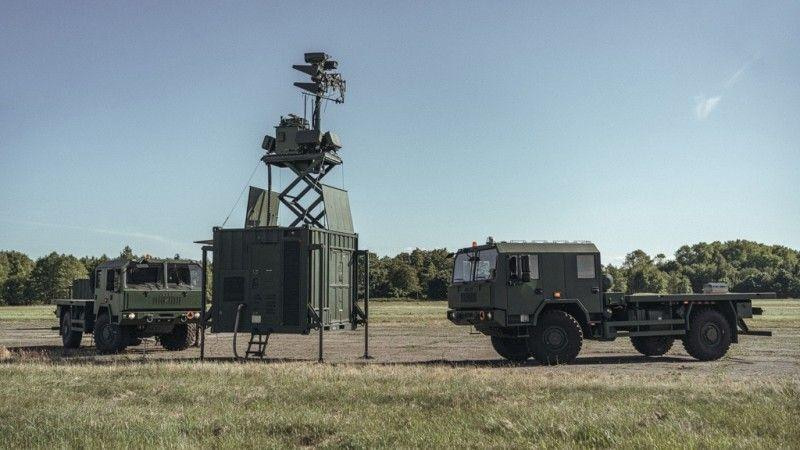
Brussels has become the epicenter of strategic discussions regarding long-term security architecture for Ukraine. Defence ministers convened in May 2026 to examine comprehensive proposals that extend beyond immediate military assistance, focusing on integrating Ukrainian defense capabilities into broader European security structures. The discourse emphasizes developing institutional mechanisms that would provide sustained security guarantees independent of transatlantic fluctuations. European strategists recognize that Ukraine’s integration into European defense technological frameworks represents both an opportunity and considerable institutional challenge. The proposal involves harmonizing Ukrainian military procurement standards with NATO specifications while establishing joint production capacity for critical defense systems. This approach addresses vulnerabilities exposed by supply chain disruptions while building redundancy into European defense infrastructure. Implementation requires coordinated engagement across multiple Brussels institutions and careful diplomatic navigation between competing industrial interests among member states. The transition toward integrated European security cooperation signals a maturation of EU defense policy beyond symbolic declarations toward operational capability.European Commission officials have outlined preliminary timelines for harmonization processes, with particular emphasis on cybersecurity resilience and satellite communications infrastructure. These initiatives reflect growing recognition that European strategic autonomy cannot rely solely on external partnerships but requires investment in indigenous technological capabilities. The current moment represents a watershed for European defense integration, with decisions made in 2026 establishing trajectories for the next decade of European security architecture development.