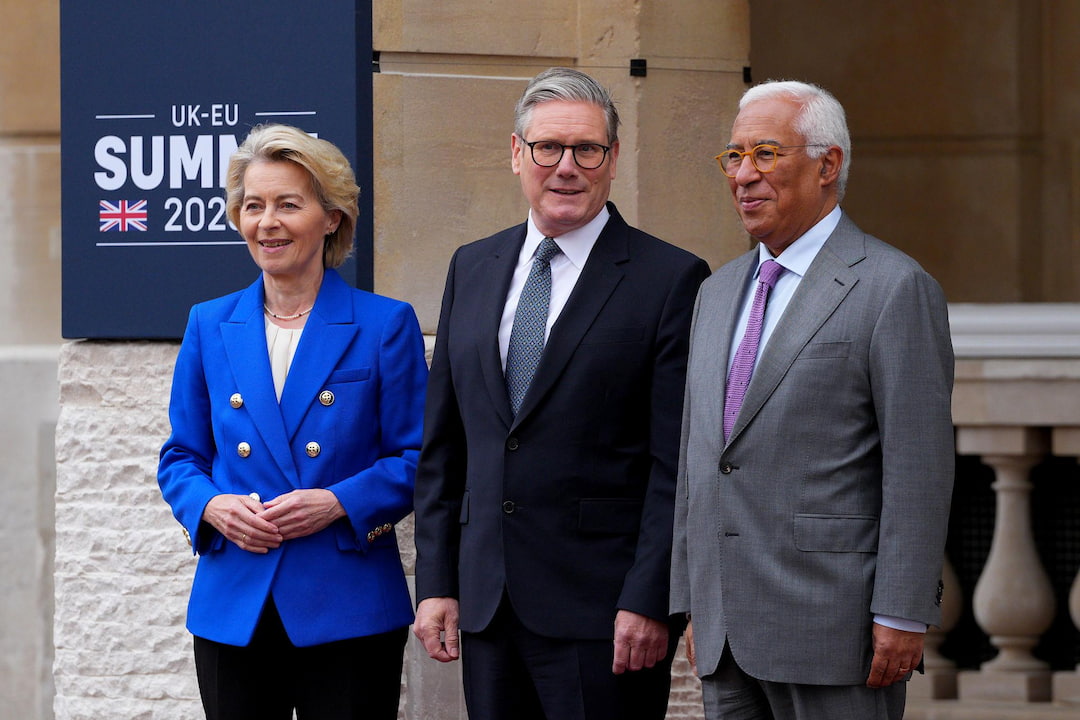
London: The UK-EU reset has entered a more political phase after Prime Minister Andy Burnham said Britain should assess four options for its future relationship with Europe: the status quo, a customs union, single market participation, and rejoining the European Union. According to a legal analysis published on 2 October, he said the options would be set out in full at the next summit, though no timetable or process has been published.
That summit has been rescheduled, and its date and agenda are still to be confirmed. In the meantime, officials are working on two practical files that could change daily business for companies. One is a sanitary and phytosanitary agreement for agrifood trade, and the other is the linking of the UK and EU emissions trading systems. Both were launched when the Council authorised negotiations on 13 November 2025.
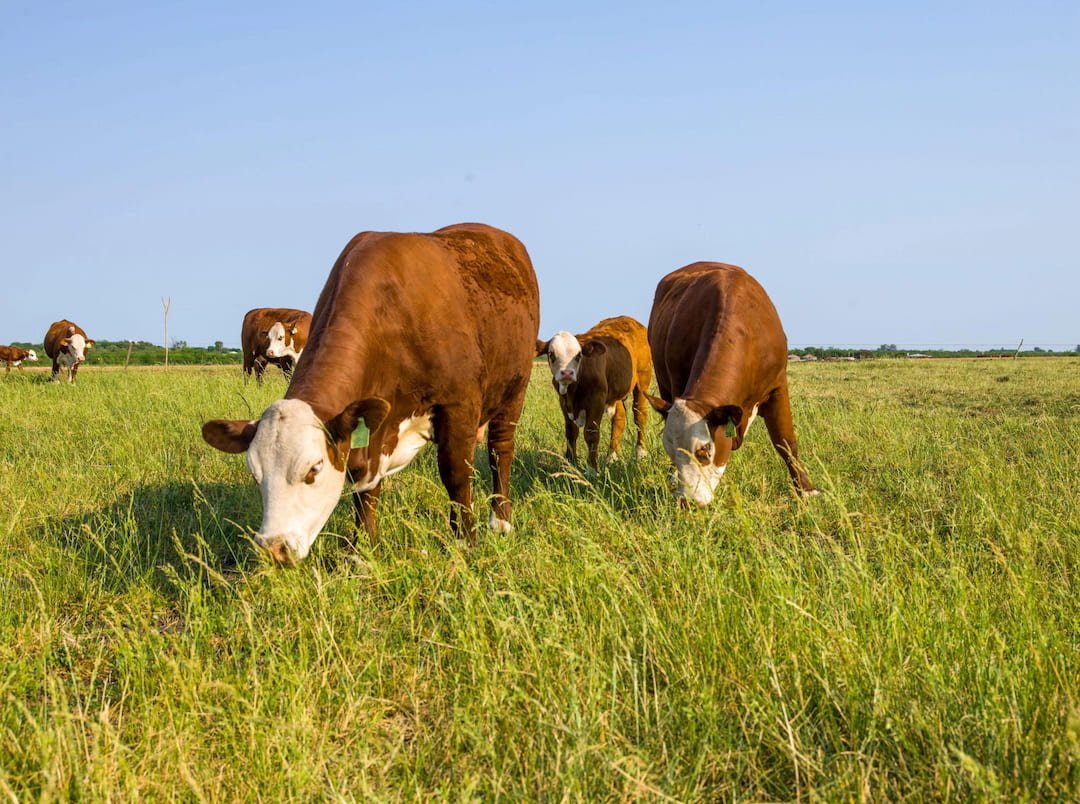
An agrifood agreement would reduce certification and border checks for exporters, although EU origin requirements would remain. For farmers and food manufacturers in both markets, that means fewer delays at ports but not a return to frictionless trade. The UK-EU reset in this area is therefore a technical bargain, in which the United Kingdom would accept dynamic alignment with European rules in return for smoother flows.
Carbon markets are the second pillar of the UK-EU reset. Linking the two trading systems would narrow the gap between UK and EU carbon prices and is expected to exempt British exports from the carbon border adjustment mechanism. For steel, cement and fertiliser producers, that exemption could save significant costs. For Brussels, it offers a way to extend its climate model without confrontation. Talks also cover British participation in the EU internal electricity market, where interim arrangements keep the status quo while negotiators work.
The legal frame around the UK-EU reset is shifting too. The Trade and Cooperation Agreement requires a review of its implementation five years after entry into force, and the first review falls in 2026. EU officials insist it is not a chance to renegotiate, and the British Europe minister has said the reset has overtaken it. The Partnership Council held its fourth meeting on 2 February 2026, and the Common Understanding agreed at the May 2025 summit still guides the agenda.
Burnham’s four options complicate the UK-EU reset for European negotiators. A customs union or single market route would demand far more alignment and a different institutional structure, while rejoining would require accession. Brussels will want to know what the British government seeks before it offers concessions, especially on freedom of movement, budget contributions and the role of the Court of Justice.
The next months will test whether both sides can deliver the practical gains while arguing about the long-term destination. The UK-EU reset will be judged first by whether the agrifood and carbon deals are finalised, and only afterwards by the constitutional question Burnham has now put on the table.