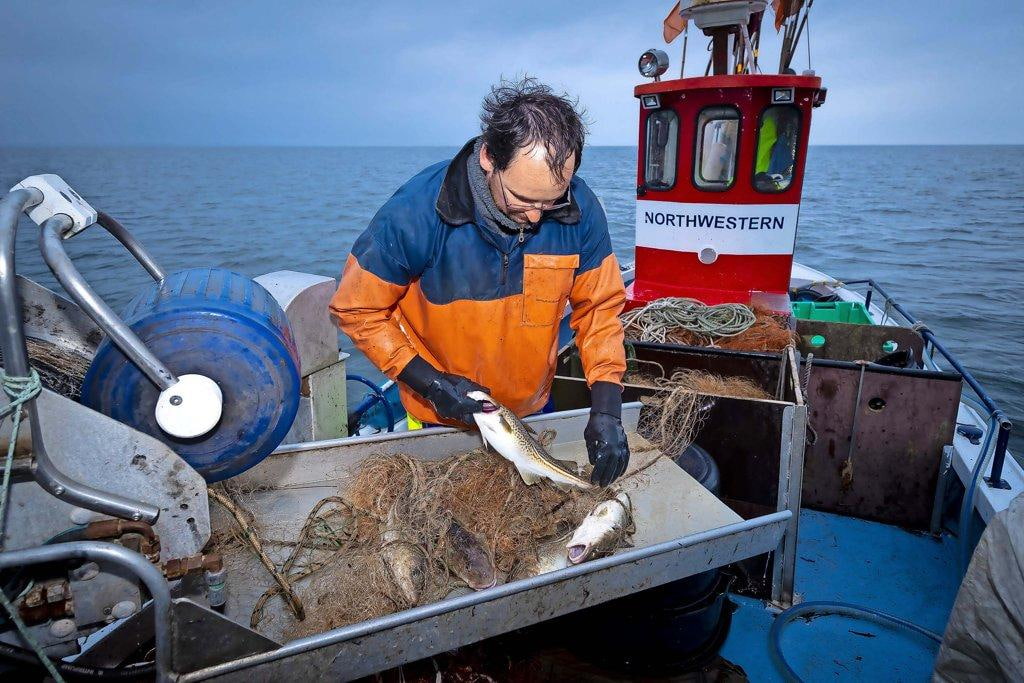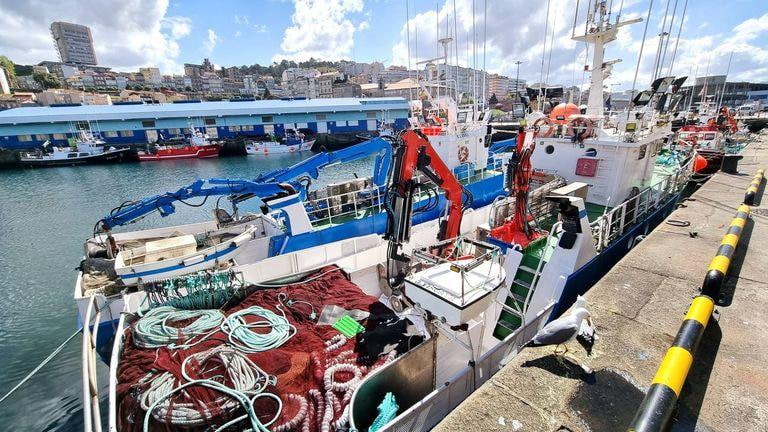
Vigo: Fisheries partnership plans are set to become the main channel for EU support to fishing communities after 2027, following a Council position agreed on 29 September 2026. The Council adopted a partial negotiating position on funding for the Common Fisheries Policy, maritime and aquaculture policies and the European Ocean Pact, which lets the presidency open talks with the European Parliament.
Under the next multiannual financial framework, covering 2028 to 2034, support for fisheries and aquaculture would flow largely through national and regional partnership plans, drawn up at national and regional level. The fisheries partnership plans would replace existing separate funds and regulations with what the Council calls a single funding toolbox. The stated aim is to simplify and streamline EU funding, give member states more flexibility and strengthen the links between policy areas.
The Council lists six objectives for the fisheries partnership plans. They are generational renewal, energy transition and decarbonisation, sustainable fisheries and aquaculture, modernisation and innovation, resilience of coastal communities including small-scale fisheries, and the development of a sustainable blue economy. The Council says the position balances fleet modernisation and the energy transition without increasing fishing pressure on stocks.
Irish Agriculture, Food and the Marine Minister Martin Heydon called the agreement a solid basis for shaping future EU support to the fisheries sector. Fisheries and Oceans Commissioner Costas Kadis welcomed progress on turning principle into practical support, with less complexity and better access to funding.
The decision lands in a tense policy climate. An official evaluation of the Common Fisheries Policy in April 2026 found progress on sustainability and management, but less than expected. Industry groups read it as proof that the policy has failed, while conservation organisations blame weak implementation by member states. In early September, the Parliament asked the Commission to draft proposals to revise the policy.
Money is the unanswered question. The current European Maritime, Fisheries and Aquaculture Fund holds €6.1 billion for 2021 to 2027, but the Council position gives no figure for fisheries partnership plans in the next budget period. Separately, the Commission has proposed an amendment to the fund that would simplify funding requirements and write the WTO Agreement on Fisheries Subsidies into EU law.
Negotiations with Parliament will now decide how much freedom national governments get, how closely the money follows conservation goals and what happens to small-scale fleets. Coastal regions from Galicia to the Baltic will study the fisheries partnership plans closely, since they will shape how EU funds reach harbours, boats and processors after 2027.