The foreign investment screening regulation already sits in the Official Journal, yet most of its bite arrives only in January 2028. The text was published on 26 June 2026, entered into force on 16 July 2026, and replaces the 2019 FDI Screening Regulation, Regulation (EU) 2019/452. Negotiators from the Commission, Parliament and Council struck a political deal in December 2025, and the agreed compromise text appeared in February 2026.
Some parts of the foreign investment screening regulation are live now. The provisions on the EU database, the online portal and the Commission’s delegated powers apply from 16 July 2026. Member States, by contrast, must notify their national screening mechanisms to the Commission by January 2028, when the main obligations start to apply. One law firm blog counts the application date as 17 January 2028, eighteen months after entry into force.
The biggest change in the foreign investment screening regulation is that screening stops being optional. Every Member State must run a mandatory pre-closing screening regime, and every Member State must be able to call in below-threshold transactions, at least for certain investments. The cooperation mechanism between the Commission and national authorities stays and gets stronger, but national authorities keep the final decision on each deal.
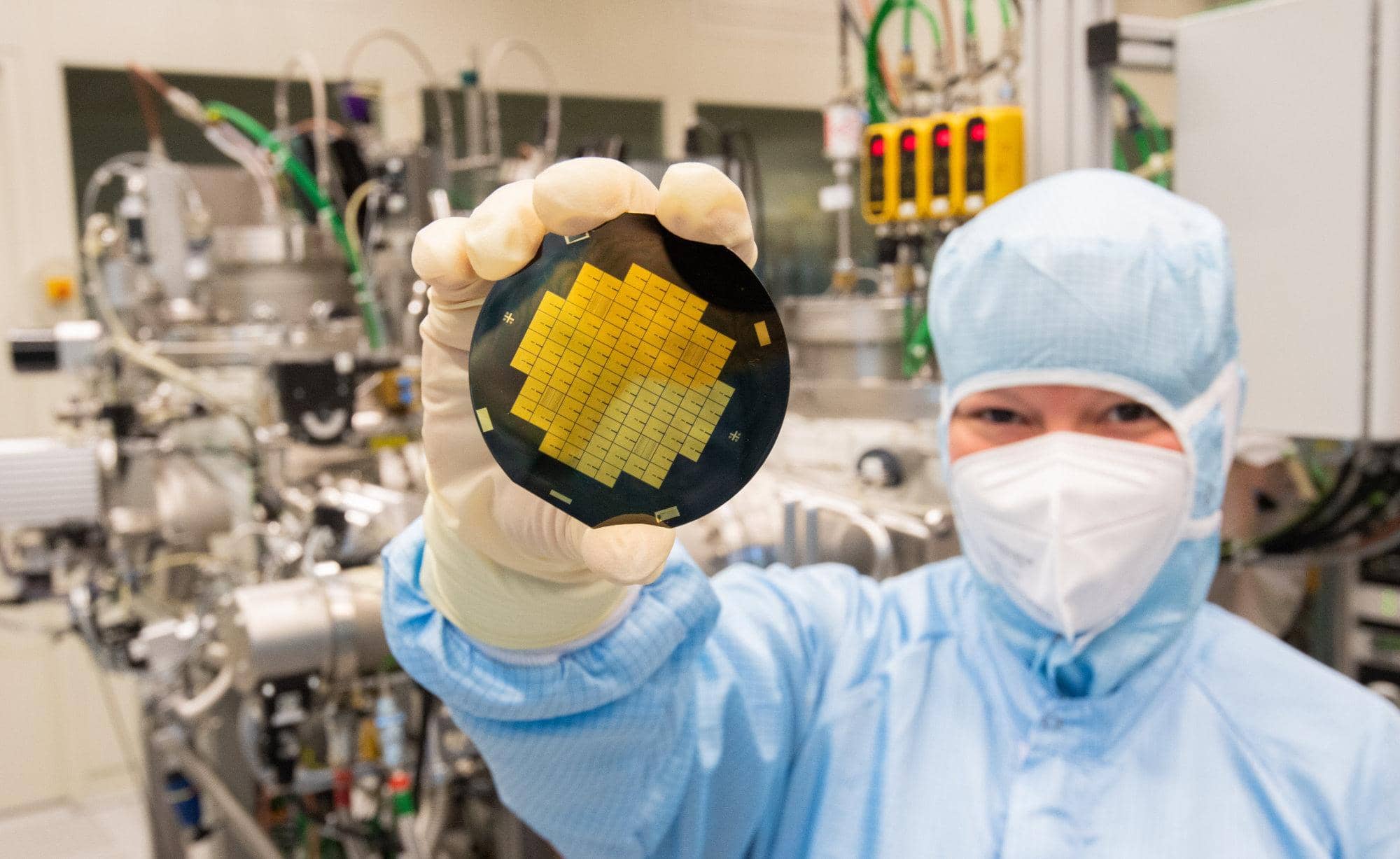
The foreign investment screening regulation sets a floor of sectors that countries must cover. These include dual-use items under export controls, military equipment, critical raw materials, and hyper-critical technologies such as semiconductors, quantum technologies and certain general-purpose AI models. Critical entities designated through national risk assessments, electoral infrastructure, and critical entities in the financial system complete the list, and transport infrastructure falls in scope subject to national risk assessment. Member States may add sectors, so the list is a minimum rather than a ceiling.
Procedure matters as much as scope. Each national regime needs a first-phase assessment and, where appropriate, an in-depth second phase, with the first phase lasting 45 calendar days in every Member State. Investors must endeavour to file in several Member States on the same day. Lawyers already flag open questions, including when the clock starts and whether authorities can stop it.
Some areas of the foreign investment screening regulation remain optional. Member States decide whether to screen purely financial investments, internal restructurings and greenfield projects. Media services and farmland did not make the mandatory list and appear only as criteria in risk assessments. Companies planning cross-border deals will therefore still face a patchwork at the edges.
A further piece is still pending. A draft Industrial Accelerator Act could add screening provisions, for example for batteries, though the proposal has been delayed several times. Dealmakers should watch that file closely, because it could change how the foreign investment screening regulation applies to specific industries before national systems switch on.
Preparation should start now. Investors in semiconductors, quantum, AI, raw materials and defence supply chains should map their exposure, build filing calendars across several capitals and track national implementing laws. The foreign investment screening regulation will not reshape deals overnight, but by January 2028 it will give every covered transaction in these sectors a mandatory review clock.