October 20, 2026
LATEST
EU-UK Summit Hangs On Youth Scheme And Carbon Market LinkBlack Sea Shipping Attacks Put EU Maritime Hub To The TestStock Options Split Governments Over EU Inc 28th Regime MandateCouncil Seals Return Regulation With Return Hubs And Entry BansParcel Handling Fee Lands By 1 November On Low-Value EU ImportsIndia Trade Agreement Heads Into The Council’s Signing QueueBosnia EU Accession Stays Frozen After A Record Low Turnout VoteForeign Investment Screening Regulation Binds Every StateImporters Face EU Deforestation Regulation On 30 DecemberMînzatu Pushes The EU Anti-Poverty Strategy Toward 2030EU Budget Fraud Protection Shifts To National Anti-Fraud ServicesCohesion Policy Row Splits Fitto And Regions Over The 2028 BudgetIn-Game Virtual Currencies Draw EU Action Against Nine StudiosAnnual Euro Area Inflation Hits 3.8 percent As Energy Prices ClimbFRTB Market Risk Rules Await Parliament Scrutiny Before 2027EDIP Defence Funding Backs Eight Plants Making Missile FuelInnovation Act Lets Start-Ups Borrow Against Patents And IP RightsPublic Procurement Act Replaces Three Directives With One RuleGeorgia EU Candidate Status Frays After Parliament Sanctions CallIndonesia EU CEPA Signing Hinges On GSP Deadline And Text LanguageEU-UK Summit Hangs On Youth Scheme And Carbon Market LinkBlack Sea Shipping Attacks Put EU Maritime Hub To The TestStock Options Split Governments Over EU Inc 28th Regime MandateCouncil Seals Return Regulation With Return Hubs And Entry BansParcel Handling Fee Lands By 1 November On Low-Value EU ImportsIndia Trade Agreement Heads Into The Council’s Signing QueueBosnia EU Accession Stays Frozen After A Record Low Turnout VoteForeign Investment Screening Regulation Binds Every StateImporters Face EU Deforestation Regulation On 30 DecemberMînzatu Pushes The EU Anti-Poverty Strategy Toward 2030EU Budget Fraud Protection Shifts To National Anti-Fraud ServicesCohesion Policy Row Splits Fitto And Regions Over The 2028 BudgetIn-Game Virtual Currencies Draw EU Action Against Nine StudiosAnnual Euro Area Inflation Hits 3.8 percent As Energy Prices ClimbFRTB Market Risk Rules Await Parliament Scrutiny Before 2027EDIP Defence Funding Backs Eight Plants Making Missile FuelInnovation Act Lets Start-Ups Borrow Against Patents And IP RightsPublic Procurement Act Replaces Three Directives With One RuleGeorgia EU Candidate Status Frays After Parliament Sanctions CallIndonesia EU CEPA Signing Hinges On GSP Deadline And Text Language

Black Sea Shipping Attacks Put EU Maritime Hub To The Test

The Black Sea shipping attacks of the past two weeks have turned a long-standing security concern into a direct test of how the European Union protects civilian vessels in waters it shares with Bulgaria and Romania. Between 6 and 15 October, a run of drone strikes hit merchant ships in the exclusive economic zones of both member states, and crew members were left dead, rescued or missing.

The sharpest blow in the Black Sea shipping attacks came on 13 October, when the Guinea-Bissau-flagged cargo ship Dignity sank off the Bulgarian coast after a military-style strike. Five sailors were pulled from the water and a search continued for eleven more. The same morning the Ukrainian-operated, Maltese-flagged freighter Chelsea 3 was hit by three aerial drones, although all fifteen crew were evacuated. Two days later a San Marino-flagged tanker caught fire about thirteen nautical miles south-east of Sulina in Romanian waters, with five crew rescued and seven unaccounted for, according to the Romanian Naval Authority.

Responsibility remains unproven. Bulgarian Prime Minister Rumen Radev told reporters that Russia is the likely beneficiary but admitted that “we cannot prove it”, while the Russian ambassador in Sofia declined to rule out a provocation by a third party. That uncertainty matters for Brussels, because the Black Sea shipping attacks fall between several policy files: maritime safety, hybrid threats, sanctions and the defence of the eastern flank.

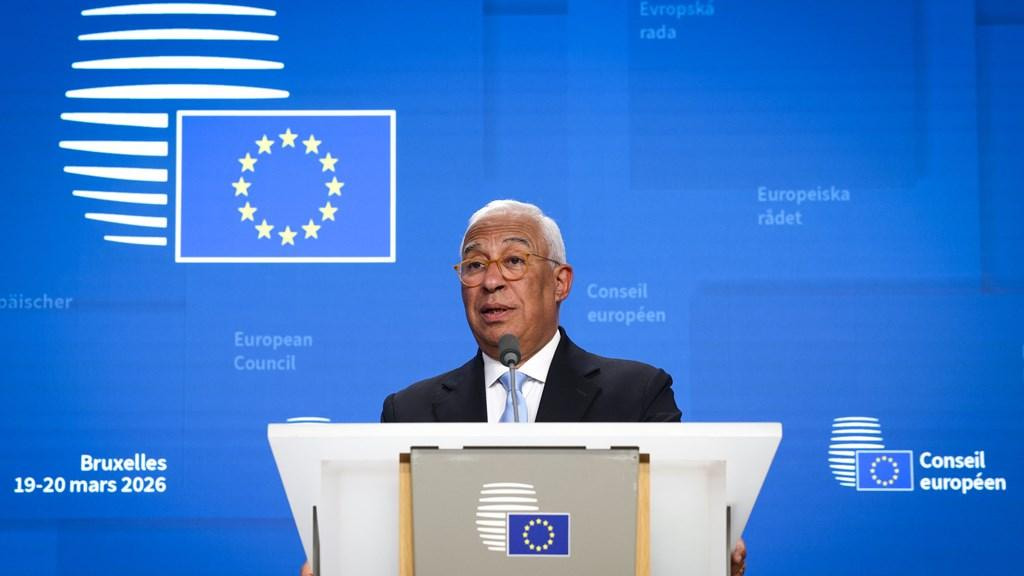
The political response to the Black Sea shipping attacks has been quick but largely rhetorical. Commission President Ursula von der Leyen condemned the strikes and called for accountability, and European Council President António Costa voiced solidarity with Sofia before leaders met on 15 and 16 October. Romania’s President Nicușor Dan said Bucharest and Sofia may seek extra summit conclusions, including more Black Sea security teams and a civil protection centre. Radev has also spoken with Romanian Prime Minister Ilie Bolojan about closer cooperation with Türkiye on safe navigation.

The practical question is whether the EU Black Sea Security Strategy, unveiled in May 2025, can move from paper to patrols. Its flagship idea, a Black Sea Maritime Security Hub, is meant to pool surveillance and information from coast guards and navies. Supporters want it operational in Constanța and Varna. Turkey’s IMEAK chamber of shipping has counted at least 163 civilian and commercial vessels hit in the Black Sea in the first eight months of 2026, a figure that shows how widespread Black Sea shipping attacks have become and how little deterrence exists today.

Parliament will take up the issue in Strasbourg on Tuesday 20 October in a debate on protecting the eastern flank and implementing the Black Sea strategy. Members are expected to press for better air and maritime surveillance, stronger coordination with NATO and a faster timeline for the hub. The 2028-2034 budget negotiations will test whether those demands attract money rather than applause.

For shipowners, insurers and coastal communities, the Black Sea shipping attacks are already a cost. For the Union, they are a measure of whether a strategy written for peacetime can still shield trade routes once civilian crews become targets. The coming weeks of EU and NATO talks will show whether Brussels turns its concern into a working maritime security capability.