Brussels: The India trade agreement has moved from negotiation to the stage where EU governments and the European Parliament must decide. On 11 September the European Commission sent the Council two proposals, one to authorise signing and one to authorise conclusion of the deal, which it calls the largest trade agreement ever concluded by both sides.
The numbers explain the ambition behind the India trade agreement. EU trade with India in goods and services already exceeds €180 billion a year and supports almost 800,000 jobs in the Union. Under the text, tariffs on 96 percent of EU goods exports to India would be eliminated or reduced, saving European exporters around €4 billion a year in duties. Negotiators concluded the political deal in January, and legal review of the text followed.
The procedure is where the India trade agreement differs from earlier deals. Trade Commissioner Maroš Šefčovič set up a fast-track approach earlier this year to speed up implementation of free trade agreements, and this is among its first big tests. The Council must now authorise signature, and the European Parliament must give its consent before the agreement can be concluded and enter into force. India runs its own ratification steps in parallel.
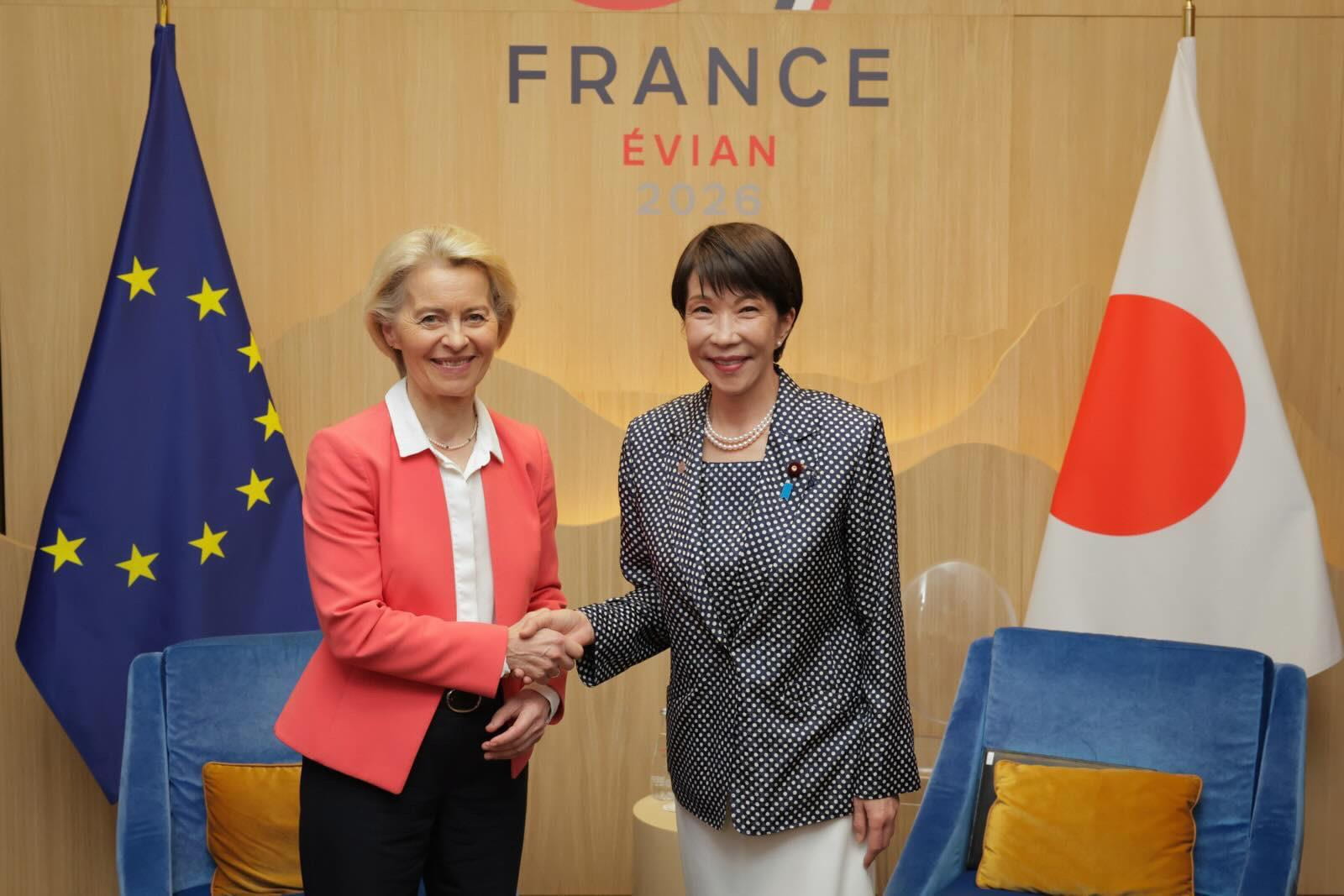
Timing is the political question. Ursula von der Leyen told Narendra Modi at the G7 summit in France in June that the EU would sign by the end of 2026, and India’s commerce minister Piyush Goyal said in July that signature should come by 31 December. If both sides keep to that schedule, the agreement could enter into force in 2027, which would give exporters a clear planning horizon.
Governments will still bargain over details of the India trade agreement. Member states with sensitive farm sectors will want assurances about safeguards, while industrial exporters will press for fast implementation of the tariff cuts. Members of the European Parliament are likely to examine labour, environmental and standards chapters closely before they vote. None of that blocks the schedule, but it can slow it if the Council and Parliament take different views.
The geopolitical logic of the India trade agreement is just as strong as the commercial one. Von der Leyen has linked the trade deal to work on an investment agreement, closer security and defence cooperation, and the India-Middle East-Europe Corridor. At a time when tariffs imposed by Washington have unsettled many partners, a deal covering two of the world’s largest markets gives Brussels diversification it has sought for years.
The coming weeks will show whether the Council can authorise signature quickly enough to meet the year-end target. If it does, the India trade agreement will move to Parliament in early 2027, and the debate will shift from promises to the practical work of making the tariff cuts real.