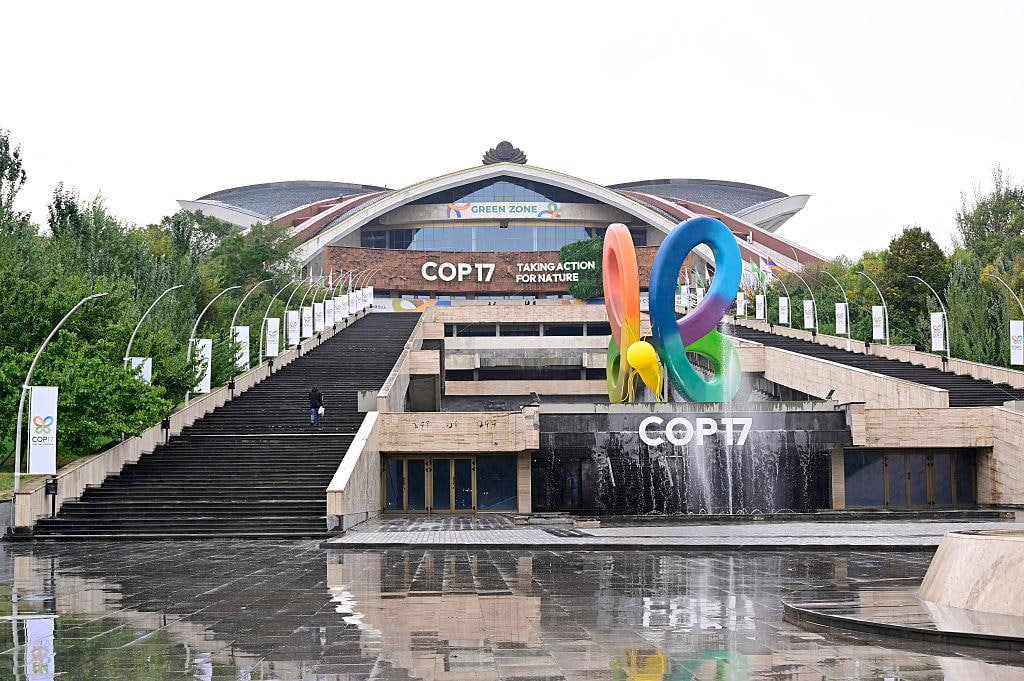
The COP17 biodiversity deal closed in Yerevan on Saturday 31 October 2026 with progress on plans and subsidies but only a partial answer on money. Delegates to the UN Convention on Biological Diversity approved a package built around the so-called Yerevan Pathway, according to Climate Home News. The European Union had pushed for more, and its closing statement called progress on the donor base timid.
The Yerevan Pathway asks countries to revise their national biodiversity plans, subject to available funding, with attention to marine, coastal and inland water ecosystems. More than 60 countries still lack a national plan and were urged to finish one as soon as possible. Parties also agreed to accelerate the reduction of subsidies that harm nature, which is Target 18 of the Global Biodiversity Framework and one of the weakest areas of progress.
Finance split the room at the COP17 biodiversity talks. The Council had set the EU position on 12 October 2026, and the bloc proposed widening the list of donor countries so that wealthy emerging economies such as China and Saudi Arabia could contribute voluntarily. The Arab group strongly opposed the idea, and after an all-night session delegates only agreed to invite interested countries to tell the CBD secretariat about their interest in donor status.
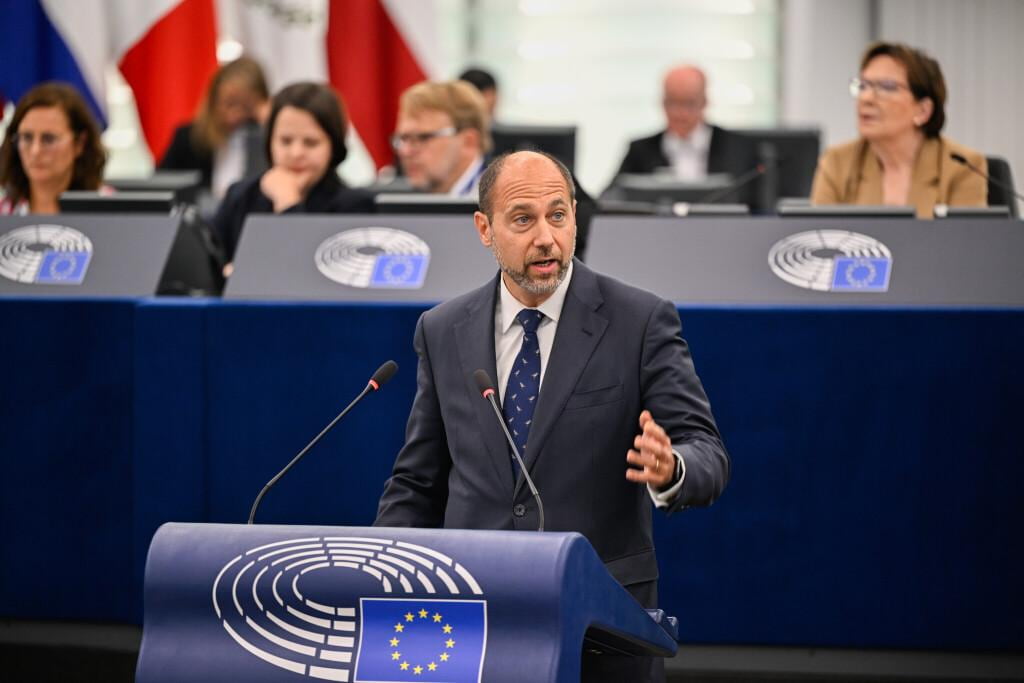
Christopher O’Sullivan, Ireland’s minister of state for nature, spoke for the bloc as Ireland holds the Council presidency. He said the donor list should reflect the world’s new realities. A technical report on the implications of joining the list was requested, so the COP17 biodiversity deal keeps the question open without settling it.
The numbers explain why the COP17 biodiversity deal matters. The UN progress report finds that 22 of 23 global targets are off track, and current national goals would protect about 26 percent of land and about 12 percent of marine areas by 2030, against a 30 percent goal. The 2025 target of 20 billion dollars for conservation was missed, and the Cali Fund, which experts say could raise up to 6.9 billion dollars, has received little more than 10,000 dollars.
Technical rules for the Cali Fund, including whether companies can pay a lower rate when they use genetic data for only part of a product, were pushed to the next COP in Ecuador in 2028. COP17 president Hambardzum Matevosyan said the result exceeded expectations, while former Canadian minister Steven Guilbeault said it falls short of what is needed. Both views describe the same COP17 biodiversity deal.
For Brussels, the COP17 biodiversity deal is now a domestic test. The EU must show that it funds its own nature goals and that its pressure on others is credible, before the next round of talks opens in 2028. Without clearer finance, the Yerevan Pathway risks remaining a list of promises that poorer countries cannot afford to carry out.